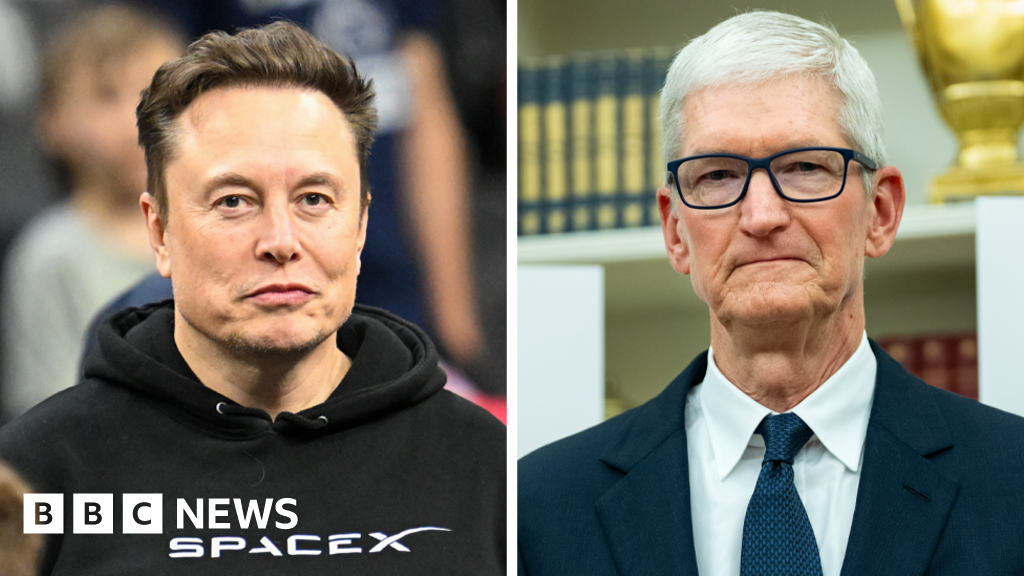
In a strategic move signaling the importance of US-China economic ties, a distinguished group of American business leaders, including Elon Musk and Tim Cook, will accompany former President Donald Trump on his upcoming trip to China. This delegation reflects a broad spectrum of industries, highlighting the complex and intertwined relationship between the two global economic powerhouses.
Who’s Joining Trump: A Cross-Section of American Industry
Among the notable attendees is Sanjay Mehrotra, CEO of Micron Technology, whose presence carries significant weight amid ongoing tensions in the semiconductor sector. In 2023, Beijing imposed restrictions on the use of certain Micron chips in critical infrastructure, citing national security concerns. These restrictions have reportedly hampered Micron’s business operations within China, underscoring the delicate balance in technology trade relations between the two nations.
This visit will also feature executives from a diverse array of fields. While Chuck Robbins, chairman and CEO of Cisco, was initially invited, a company spokeswoman confirmed he will not attend due to scheduling conflicts related to earnings reports. The delegation nonetheless includes leaders from social media, consumer technology, semiconductor manufacturing, and biotechnology.
Illumina, a California-based biotech firm, is represented by its CEO, Francis deSouza, who expressed honor at participating in the delegation. A company spokeswoman highlighted Illumina’s hope that this trip will serve as a platform to fortify relationships and advance the future of precision medicine, an area where collaboration and innovation are critical.
Why This Trip Matters: Trade, Technology, and Tensions
Trump’s visit to China marks the first by a US president in nearly ten years, setting the stage for a critical test of the tenuous trade truce between the world’s two largest economies. The last decade saw escalating trade tensions, culminating in a tariff war with tariffs surpassing 100% on certain goods. The economic ripple effects of this conflict influenced global supply chains and market stability.
The delegation’s composition reflects the sectors most affected by these tensions, particularly technology. Semiconductors, the backbone of modern electronics and computing, remain a contentious issue. US export controls and China’s countermeasures have created a complex environment where cooperation and competition coexist uneasily.
By bringing together leaders from semiconductor giants, consumer electronics, and biotech innovators, the delegation underscores the multifaceted nature of US-China economic relations. These industries not only drive significant trade volumes but also represent strategic areas where technological leadership and national security intersect.
What to Expect: Implications for Business and Diplomacy
This high-profile business delegation aims to complement diplomatic efforts by fostering direct dialogue between American industry leaders and Chinese counterparts. Beyond formal trade negotiations, these interactions could pave the way for easing restrictions, resuming collaboration, and opening new avenues for investment and innovation.
For companies like Micron, which have faced direct regulatory challenges in China, the trip offers an opportunity to address concerns and explore potential pathways to mitigate business impacts. Meanwhile, biotechnology firms such as Illumina view this as a chance to deepen ties in a sector poised for transformative growth through precision medicine.
While some company representatives have remained tight-lipped or unavailable for comment, the collective presence of these executives sends a strong message about the critical importance of US-China economic engagement. It also reflects a pragmatic recognition that despite political tensions, sustained dialogue is essential for the stability of global markets.
Looking Ahead: Navigating a Fragile Economic Landscape
Trump’s China visit, bolstered by this influential business cohort, will be closely watched by investors, policymakers, and industry observers worldwide. The outcomes could influence not only bilateral trade policies but also the future trajectory of technology development and geopolitical alignments.
As both countries grapple with competing interests and strategic priorities, this delegation exemplifies an effort to bridge divides through economic diplomacy. The success of this trip may well hinge on balancing national security concerns with the mutual benefits of open markets and innovation collaboration.
Ultimately, this visit offers a pivotal moment to reset dialogues and potentially ease the friction that has defined US-China relations for years. For American businesses, it represents hope for renewed access and cooperation in one of the world’s most critical and challenging markets.