

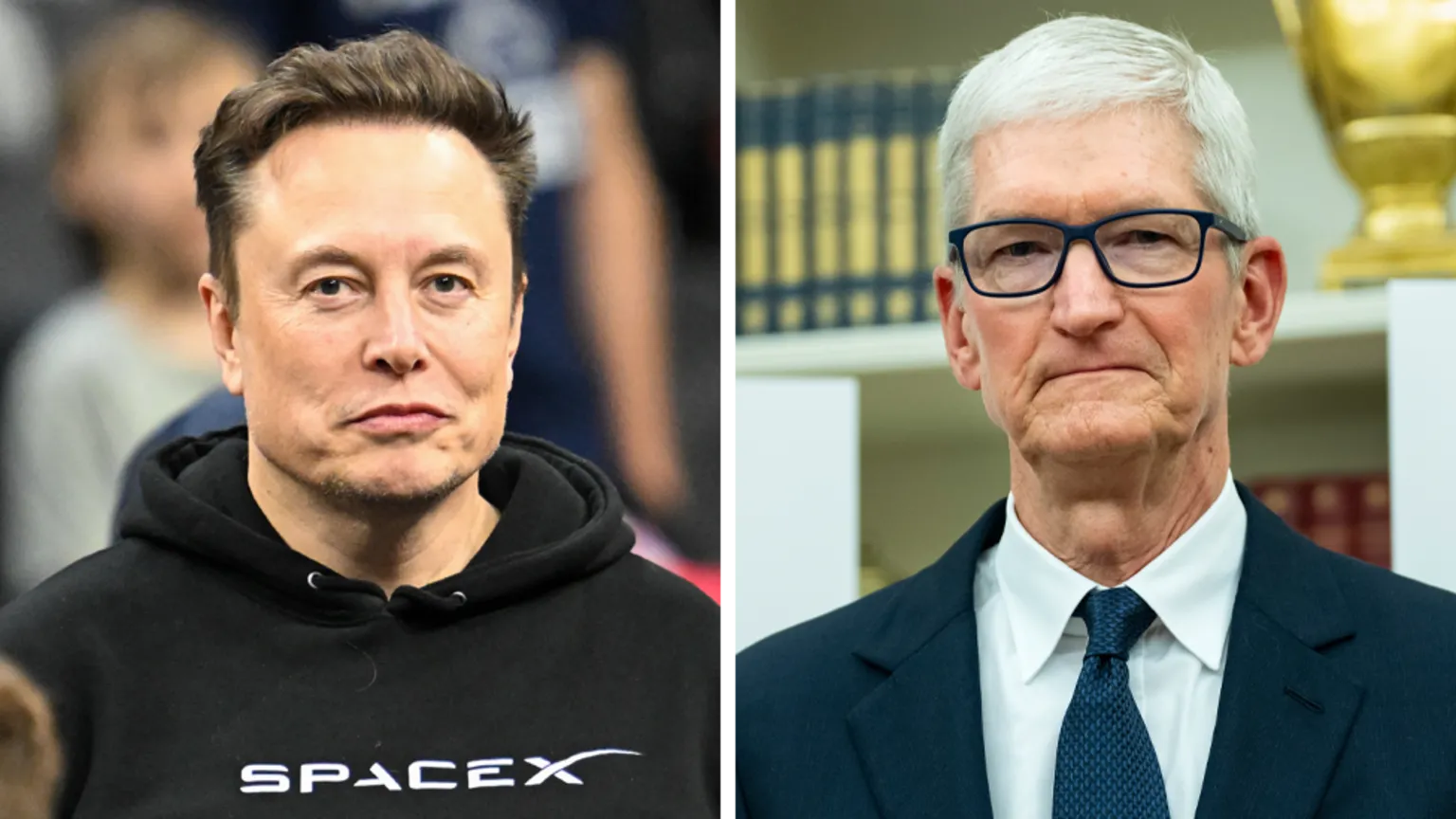
In a pivotal move signaling a renewed focus on US-China economic ties, Elon Musk and Tim Cook are among the top CEOs expected to accompany former President Donald Trump on his upcoming trip to China. This delegation, comprising leaders from diverse sectors including technology, semiconductors, and biotechnology, reflects the complex and critical nature of the US-China business relationship amid ongoing geopolitical tensions.
Who’s Joining the Delegation and Why It Matters
Alongside Musk and Cook, Sanjay Mehrotra, CEO of Micron Technology, is a notable addition to the delegation. Mehrotra’s presence is especially significant given Micron’s recent challenges in China. In 2023, Beijing imposed restrictions on certain Micron chips used in critical infrastructure, citing national security concerns. These restrictions have reportedly had a tangible negative impact on Micron’s business operations in the Chinese market.
Semiconductors remain a cornerstone of the US-China economic and technological rivalry. Despite the diplomatic strains and stringent export controls, the semiconductor industry continues to be a vital link between the two economic giants. Mehrotra’s involvement underscores the delicate balance between cooperation and competition that defines this sector.
Other CEOs invited include Chuck Robbins of Cisco, who was unable to join due to company earnings commitments. Cisco’s potential participation would have further broadened the delegation’s representation of US tech interests, given its pivotal role in networking and communications technology.
The delegation also features Francis deSouza, CEO of biotechnology firm Illumina. A spokeswoman for Illumina confirmed that deSouza is honored to be part of the trip, emphasizing the opportunity to strengthen ties and foster collaboration in precision medicine—a field poised for significant growth and global impact.
The Broader Context: Trade, Technology, and Diplomacy
Trump’s visit will mark the first time a US president has traveled to China in nearly a decade, highlighting the trip’s diplomatic weight. This visit arrives at a fragile moment in US-China relations, following years of a tit-for-tat trade war marked by tariffs exceeding 100% on certain goods. While a tentative trade truce exists, deep-seated issues over technology transfer, intellectual property, and national security continue to cast a shadow.
The presence of high-profile tech CEOs signals a strategic intertwining of business and diplomacy. These executives bring firsthand perspective on the challenges and opportunities facing American industries in China. Their involvement suggests a concerted effort to use economic engagement as a bridge to ease tensions and encourage mutual cooperation.
Moreover, the sectors represented—from social media and consumer electronics to semiconductors and biotech—illustrate the broad stakes at play. For instance, Musk’s leadership in electric vehicles and space technology, Cook’s dominance in consumer hardware, and Mehrotra’s semiconductor expertise collectively showcase the crucial areas where US-China collaboration and competition intersect.
What This Means for the Future of US-China Relations
This delegation could shape the trajectory of economic and technological relations between the two nations. By involving leaders who operate at the cutting edge of innovation, the trip offers a platform to address contentious issues while promoting dialogue on shared interests.

For companies like Micron, Illumina, and others, the trip represents an opportunity to advocate for more stable and predictable market conditions. It also signals the importance US businesses place on maintaining and expanding their footprint in China despite geopolitical risks.
In a broader sense, the trip underscores how intertwined diplomacy and business have become in managing global challenges. It reflects an understanding that economic engagement can serve as a tool for easing political tensions and fostering long-term stability.
Elon Musk and Tim Cook joining this delegation amplifies the message that innovation-driven industries remain vital actors in the international arena. Their involvement may help open new channels for dialogue on technology governance, supply chain security, and investment frameworks.
Looking Ahead
As Trump prepares to visit China with this influential group of business leaders, all eyes will be on the outcomes of their discussions. The trip could set precedents for how the US and China navigate their intertwined economic futures amid rivalry and cooperation.
While details about the itinerary and agenda remain limited, the inclusion of top executives from major sectors signals an ambitious attempt to harness private sector insights for diplomatic progress. The visit is not just a political event—it is a high-stakes economic mission with the potential to reshape the dynamics of one of the world’s most consequential relationships.