

Nicholas Rossi, a man who captured international attention after fleeing the United States and faking his own death to avoid rape charges, has died in a Scottish hospital at the age of 38. His death brings closure to a complex and controversial saga that unfolded across two continents.
The Story of Nicholas Rossi: Flight and Deception
Rossi’s story is marked by a dramatic escape and a web of deception. Facing serious legal accusations in the US, specifically charges of rape, he chose to disappear rather than stand trial. In a calculated move, he staged his own death, leading authorities and the public to believe he had died.
His disappearance sparked widespread media coverage and police investigations, highlighting the lengths to which some individuals will go to evade justice. The faked death effectively stalled the legal process, complicating efforts by law enforcement to bring him to account.
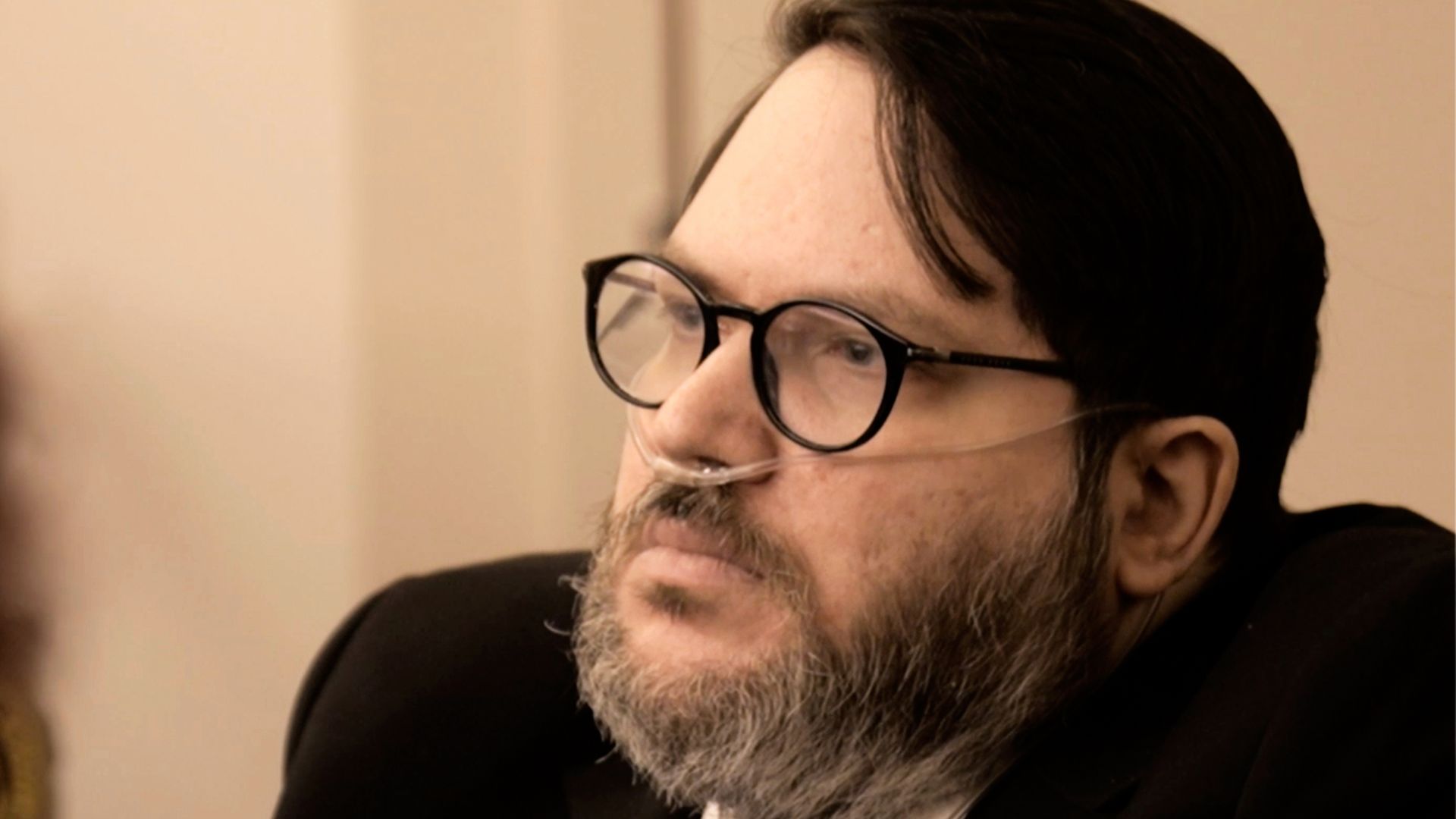
From the US to Scotland: The International Manhunt
Despite his elaborate plans, Rossi’s flight did not go unnoticed. Authorities eventually tracked him to Scotland, where he was found and detained. His capture underscored the cooperation between international law enforcement agencies and the challenges posed by cross-border fugitives.
While in Scotland, Rossi faced legal scrutiny and was under medical care. His health deteriorated during this period, culminating in his death in hospital. The circumstances surrounding his passing have not been publicly detailed, but his demise marks the end of a long-running legal and criminal saga.
Why Nicholas Rossi’s Case Matters
Rossi’s case highlights critical issues surrounding crime, justice, and international law enforcement. It demonstrates the complexities involved when fugitives cross borders and manipulate systems to avoid prosecution. The faked death tactic, though rare, reveals vulnerabilities in how authorities confirm and track suspects.
Moreover, the case raises important questions about victim justice and the consequences of evasion. While Rossi’s death means he will not face trial, it also leaves many questions unanswered for alleged victims and the justice system. This outcome underscores the importance of robust international cooperation and verification mechanisms in criminal proceedings.
Looking Ahead: Lessons from the Rossi Case
The death of Nicholas Rossi closes one chapter but leaves a legacy for law enforcement and legal frameworks worldwide. Authorities are likely to review and strengthen protocols to prevent similar cases of evasion and deception in the future.
For the public and victims of crime, this case serves as a reminder of the challenges inherent in securing justice across borders. It also emphasizes the ongoing need for vigilance, transparency, and collaboration in tackling international crime.
As the dust settles on this extraordinary case, the focus now turns to improving systems to ensure accountability and support for victims, ensuring that such complex cases do not go unresolved.