

European football stands at a crossroads as UEFA, the continent’s governing body, prepares for emergency discussions today. The trigger: FIFA’s contentious plan to sell stakes in its major competitions, stirring fears of a potential boycott and shaking the sport’s traditional structure.
What Sparked the Emergency UEFA Meeting?
FIFA recently unveiled a proposal to partially privatize its flagship competitions by selling stakes to external investors. This move aims to inject fresh capital into the global game but has ignited fierce opposition across Europe. UEFA officials and member associations worry this could undermine the integrity and control of European tournaments.
The backlash is not just administrative—it has fans, clubs, and national associations on edge. UEFA’s emergency meeting, set for today, is a direct response to the escalating debate surrounding FIFA’s strategy. The goal is to assess the potential impact and formulate a unified stance.
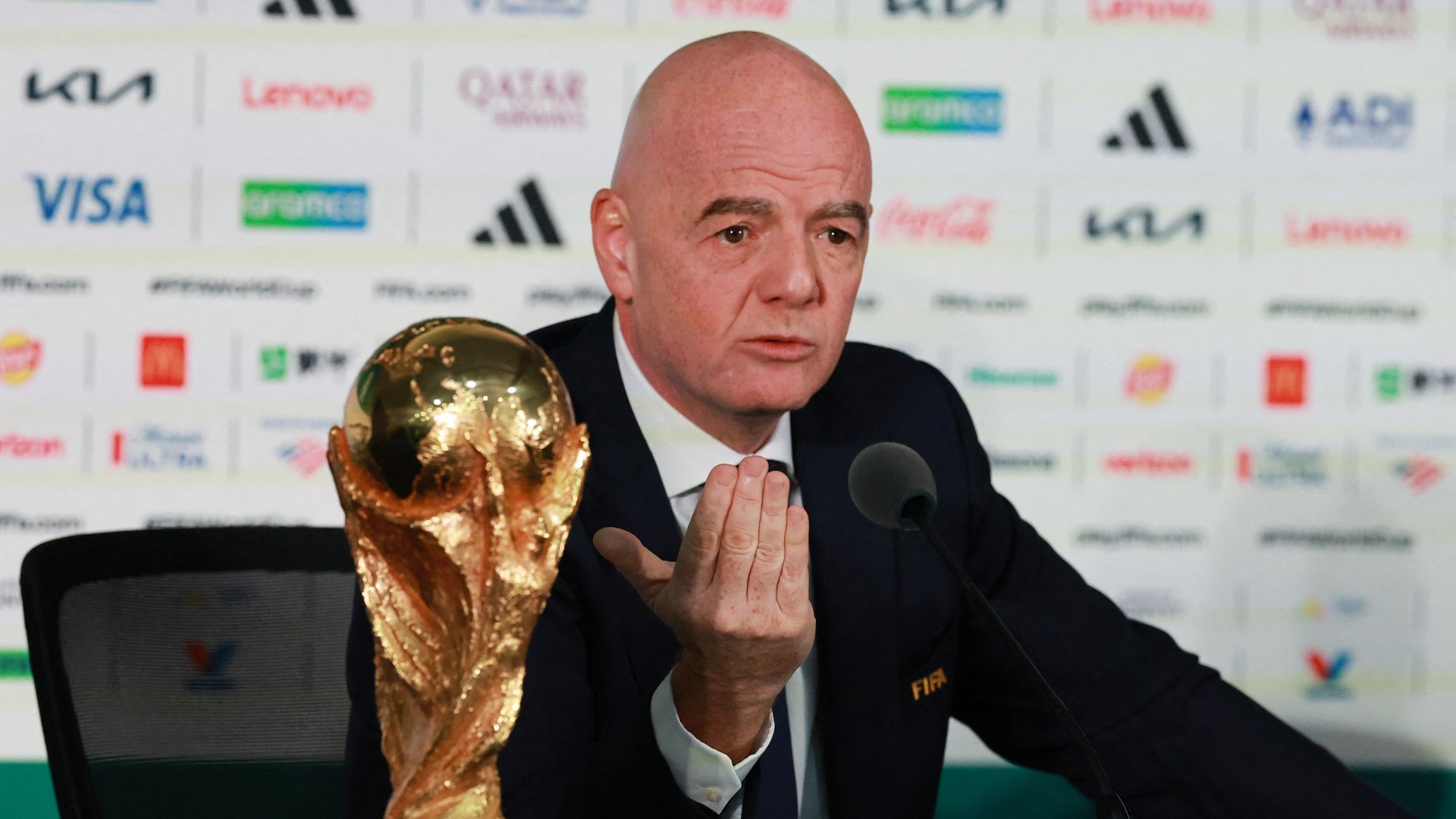
UEFA’s leadership is tasked with navigating this complex situation. The meeting will involve discussions on how to protect European football’s heritage and governance against what some see as a risky commercialization. The proposal threatens to disrupt established competition formats and revenue distribution models that have long underpinned European football’s success.
Why This Proposal Matters to European Football
FIFA’s stake sale plan represents a significant departure from the traditional football governance model. Typically, football organizations like UEFA have maintained control over their competitions to safeguard sporting fairness and cultural significance. Selling stakes to investors introduces a corporate element, potentially prioritizing profit over sport.
European clubs and national associations rely heavily on UEFA competitions for financial stability and international prestige. Any changes to ownership or control could affect broadcasting rights, sponsorship deals, and competitive balance. UEFA fears that surrendering control could lead to conflicts of interest, reduced transparency, and increased commercialization at the expense of the game’s spirit.
Moreover, the specter of a boycott looms large. Several European stakeholders have hinted they may refuse to participate in FIFA tournaments if the proposal proceeds unchecked. Such a boycott would have profound implications, risking fragmentation within the sport and diminishing the global appeal of marquee events like the World Cup.
What Comes Next: UEFA’s Response and the Future of Football Governance
Today’s emergency meeting is just the beginning of what promises to be a contentious debate. UEFA must weigh the benefits of maintaining control against the pressures of a rapidly evolving sports business landscape. The outcome could set a precedent for how global football balances tradition with commercialization.
Should UEFA oppose FIFA’s plan strongly, it could lead to legal challenges or coordinated actions among European football bodies. Conversely, a negotiated compromise might emerge, allowing FIFA to seek investment while protecting key governance principles. Either scenario will shape the future framework of international football governance.
Fans and football professionals alike will watch closely, as the decisions made now will influence the structure of world football competitions for years to come. The core question remains: can football preserve its heritage while adapting to modern financial realities?
Why This Moment Is Crucial for Global Football
This unfolding saga highlights the tension between sport and commerce on a global scale. Football’s massive popularity makes it a lucrative asset, attracting investors eager to capitalize on its reach. Yet, the sport’s soul depends on fair play, community identity, and equitable competition.
UEFA’s emergency meeting underscores the urgency of finding a balance that respects football’s roots while embracing innovation. The decisions taken in the coming days will reverberate beyond Europe, influencing governance models worldwide and potentially reshaping the football landscape.
In the end, today’s talks will determine whether football’s governing bodies can collaboratively safeguard the sport’s future or if divisions will deepen, risking disruption to the game that captivates billions across the globe.