

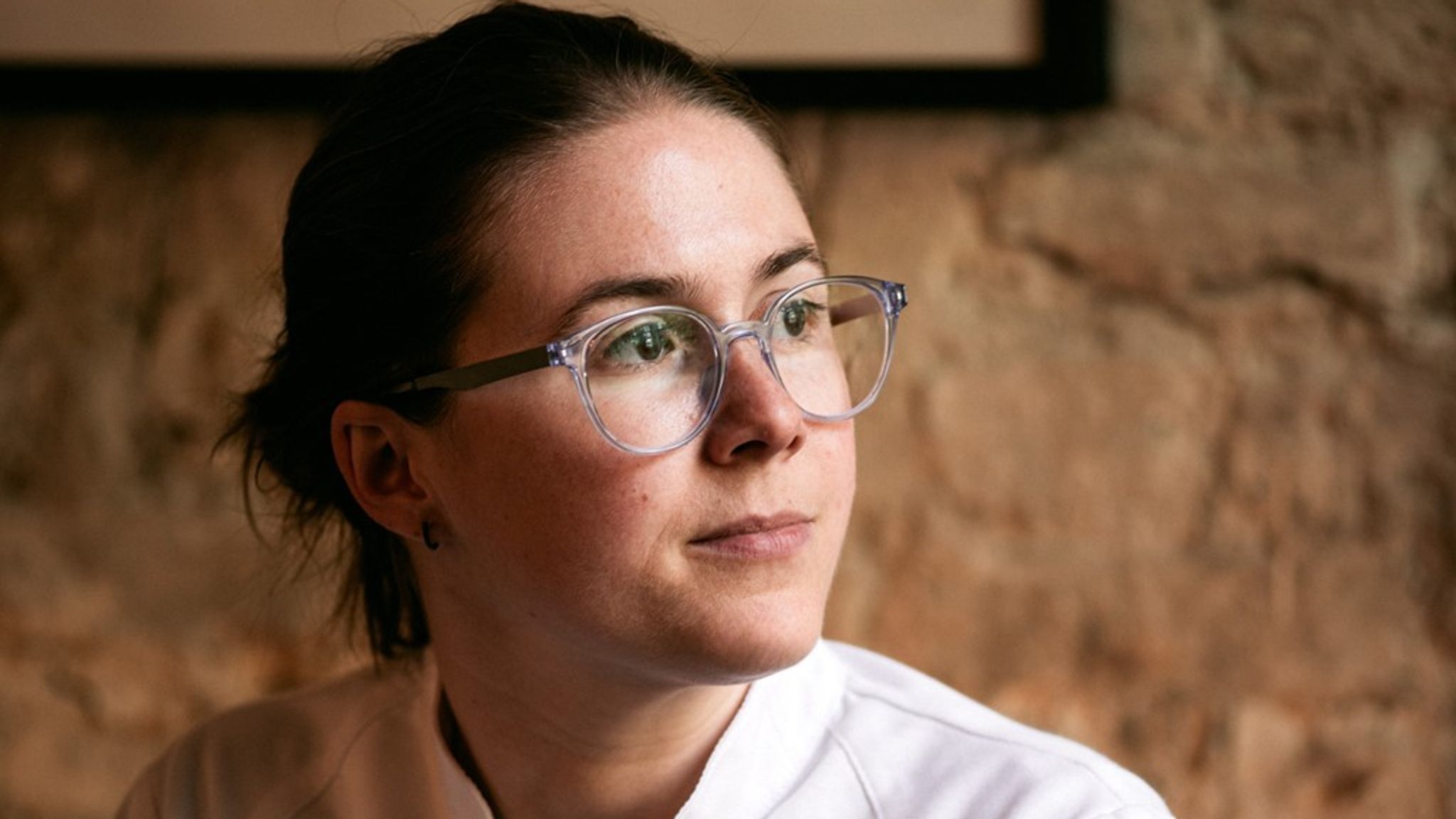
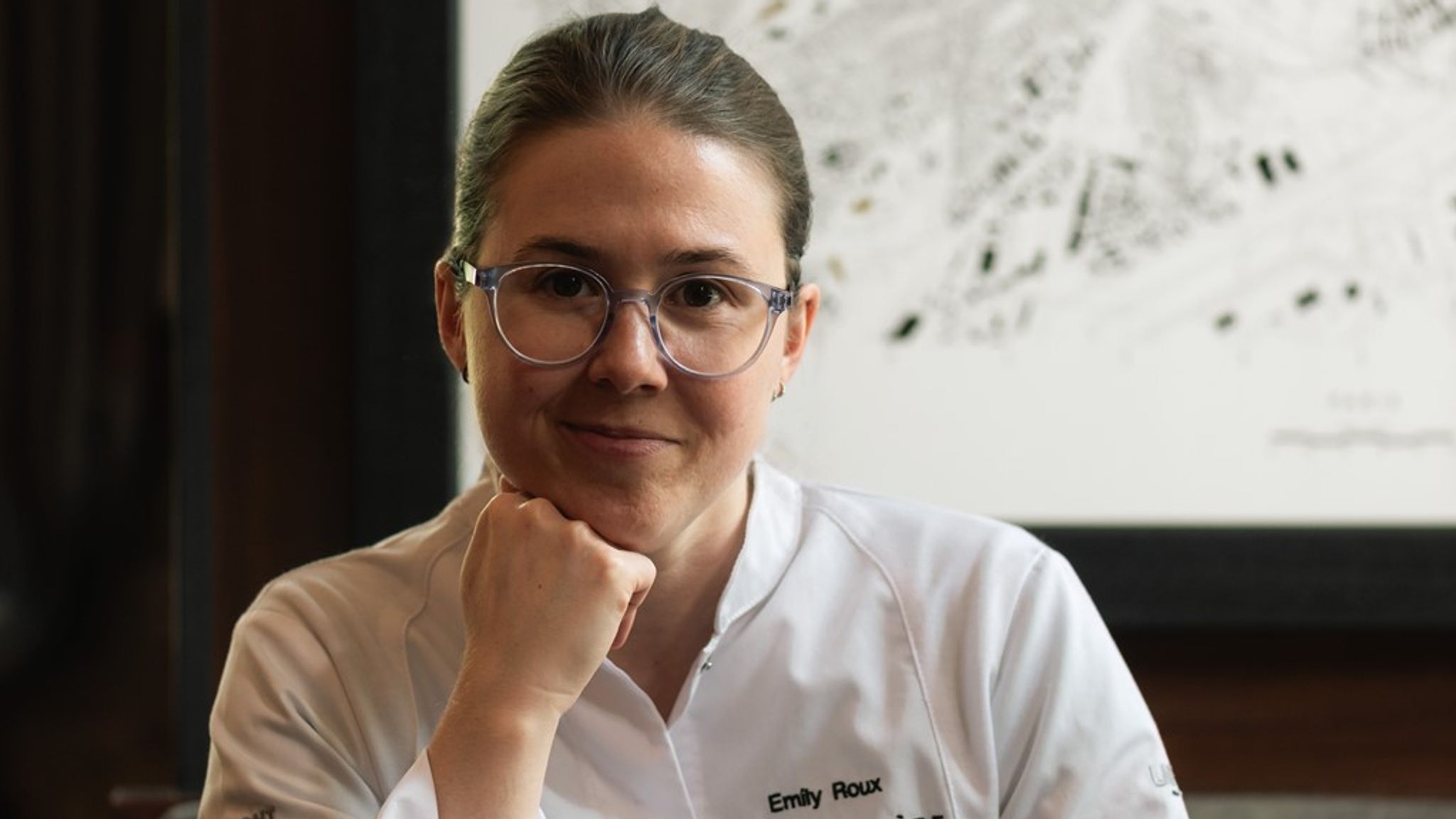
Michelin-starred chef Emily Roux, daughter of culinary legend Michel Roux and co-owner of the fine dining restaurant Caractere, candidly shares the harsh realities facing the hospitality industry today. From razor-thin margins to shifting diner habits, Roux paints a vivid picture of running a Michelin-starred establishment in turbulent economic times.
The Financial Crunch in Fine Dining
Roux identifies soaring business rates and minimum wage hikes as the biggest pressures threatening the hospitality sector’s survival. “Our margins were always on a fine line,” she explains. “Now, after crunching the numbers with my husband Diego, it looks unlikely we’ll turn a profit.”
To partially offset rising costs, Caractere has added £5 to both its tasting and à la carte menus. Yet Roux admits this increment won’t cover the full expense. Essential ingredients like butter and cooking oil have quadrupled in price since the restaurant opened in 2018, eating into already tight budgets.
Energy costs are another headache. “As soon as our fixed contracts expire, I spend hours researching the best deals,” Roux says. “We’re scrutinising every cost more than ever.”
Changing Customer Behavior and Dining Expectations
The economic squeeze is reshaping how and when people dine out. Roux notes that even she and her husband have cut back drastically: “We only go to a restaurant every three or four months now, whereas before it was weekly.” This tightening of budgets reflects a broader shift in consumer priorities.
Fine dining, once characterized by leisurely four-hour tasting menus exploring intricate and unfamiliar flavors, is evolving. “People want faster, more comforting foods that don’t break the bank,” Roux observes. While she believes fine dining won’t disappear, she predicts it may take five years or more to reclaim its former prominence.
Customers’ expectations have also been a challenge. Roux recalls a difficult moment just weeks after opening Caractere in 2018 when a table of six told her, “This is not what we expected from you. We go to Gavroche regularly. This is underwhelming.” Despite the critique, Roux welcomed the dialogue, emphasizing that taste is subjective and that honest conversations—even tough ones—are part of the business.
Balancing Heritage and Innovation
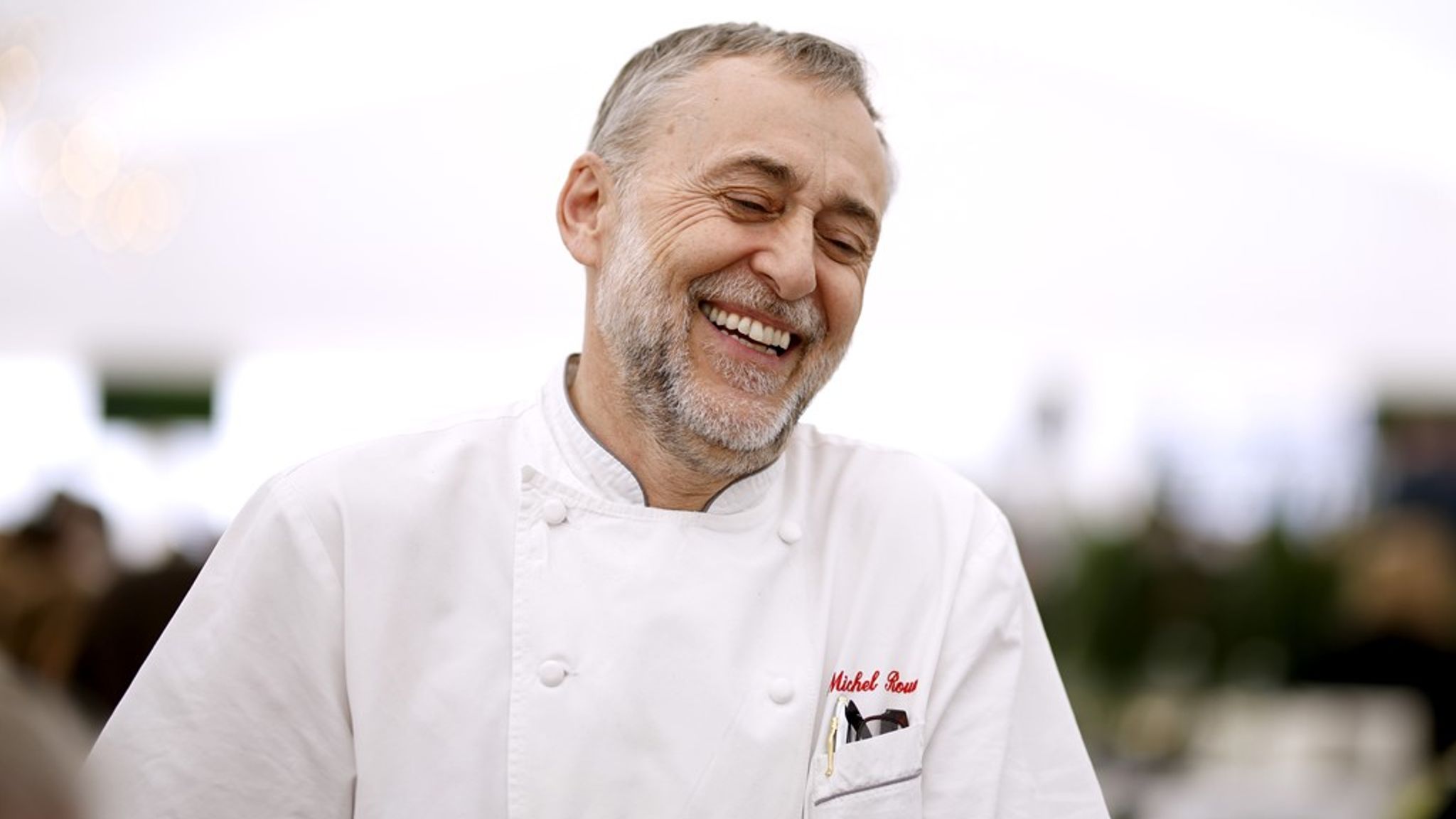
Being the daughter of Michel Roux and connected to the iconic Gavroche restaurant brought both prestige and pressure. Roux explains, “At first, some customers expected Caractere to be like Gavroche, but it never was and never will be. Over time, our regulars have come to understand and appreciate our unique style.”
Behind the Scenes: The Reality of Running a Michelin-Starred Kitchen
Roux dispels the glamorized notion that fine dining kitchens run themselves. She arrives at the restaurant by 8:30 a.m. to begin meticulous prep work, even when the restaurant isn’t open for lunch. “At this level, prepping vegetables, fruits, and desserts takes hours,” she says.
Despite the challenges, earning a Michelin star has brought positive recognition, particularly attracting food tourists. However, Roux notes this accolade alone hasn’t dramatically increased daily covers but enhances the brand’s reputation and opens doors for future ventures beyond the restaurant.
Family life adds another layer of complexity. Balancing motherhood with the demands of hospitality requires constant juggling. Roux credits her nearby family and a network of babysitters for helping manage school holidays and unpredictable schedules.
Looking Ahead: Industry Prospects and Advice for Aspiring Chefs
Roux advocates for a VAT reduction to ease financial strain on independent restaurants across the UK. She also stresses the importance of honest, face-to-face customer feedback to resolve issues promptly.
Reflecting on the future, Roux acknowledges the hospitality industry remains tough for young chefs. “Owning your own restaurant today requires substantial capital and carries significant risk,” she explains. While the dream of restaurant ownership persists, she advises aspiring chefs that success can come through excelling in established kitchens without the burden of ownership.
Her family legacy includes supporting young culinary talent through initiatives like the Roux Scholarship, aimed at uplifting the next generation of chefs. Roux hopes to continue this tradition and contribute to strengthening the industry.
Takeaway: Resilience and Adaptation in a Changing Culinary Landscape
Emily Roux’s insights reveal a hospitality industry grappling with economic pressures, shifting consumer habits, and the challenge of maintaining excellence amid rising costs. Her story underscores the delicate balance between honoring culinary heritage and adapting to modern realities.
While fine dining faces hurdles, Roux remains hopeful about its revival and the enduring appeal of quality, thoughtfully crafted food. For restaurateurs and diners alike, her experience serves as a reminder that resilience, transparency, and innovation are essential ingredients for success in today’s evolving food scene.