

England and Wales have endured their driest July ever recorded, marking an extraordinary climatic event that has profound implications for the region’s environment, agriculture, and daily life. The prolonged dry spell has left landscapes parched and vulnerable, while authorities brace for a fourth heatwave threatening to exacerbate already challenging conditions.
A Historic Dry Spell in England and Wales
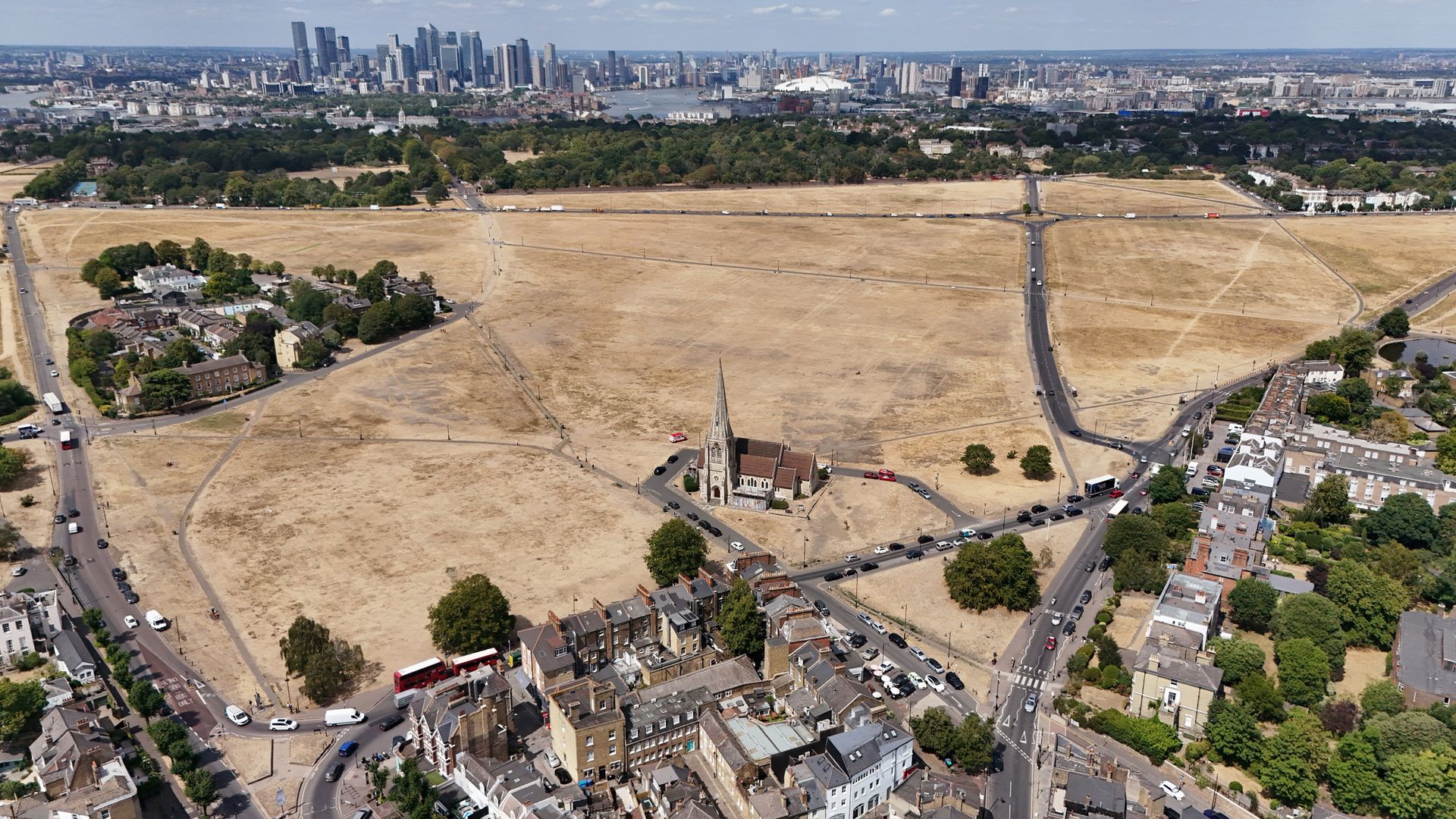
This July has been unprecedented in its lack of rainfall across England and Wales, setting new records for dryness. The grass in public spaces, such as London’s Blackheath, has turned brittle and brown, vividly illustrating the severity of the drought. Such conditions are rarely seen in these parts during summer, underscoring the exceptional nature of this month’s weather.
Provisional data confirm that precipitation levels have plummeted far below average, leaving many areas struggling with sustained moisture deficits. This exceptional dryness is not only a statistical anomaly but also a tangible reality impacting everyday life, from the natural environment to water supplies and outdoor activities.
Heat Health Alerts and Rising Temperatures
Compounding the dryness, health authorities have escalated heat health alerts to amber in several parts of England. This escalation signals increased risks from soaring temperatures, particularly for vulnerable populations such as the elderly, young children, and those with pre-existing health conditions.
The looming fourth heatwave of the year is expected to intensify heat stress across the country. Such frequent and severe heatwaves are straining public health systems and prompting urgent advisories on heat protection, hydration, and limiting exposure during peak daytime heat.
Impact on Communities and Infrastructure
Beyond health concerns, the persistent dry weather and heatwaves have far-reaching effects on communities and infrastructure. Agricultural sectors face challenges with crop yields threatened by insufficient soil moisture, while water restrictions loom as reservoirs and rivers dwindle.
Urban areas, too, are feeling the strain, with parched green spaces reducing the cooling effects of vegetation and increasing the risk of heat-related hazards. Public services are mobilizing to address these multifaceted challenges as the dry spell continues.
Why This Matters: Environmental and Societal Implications
The driest July on record in England and Wales serves as a stark indicator of shifting climate patterns and their escalating impacts. Prolonged drought and recurrent heatwaves can disrupt ecosystems, reduce biodiversity, and impair water security.
For residents, these conditions affect quality of life, from limiting outdoor leisure to increasing health risks and economic pressures on sectors like farming and tourism. The pattern of intensifying dry spells and heatwaves highlights the urgent need for adaptive strategies and resilience planning to mitigate future impacts.
Looking Ahead: Preparing for an Uncertain Climate Future
As England and Wales confront this exceptional dry July amid successive heatwaves, the focus sharpens on preparedness and response. Authorities and communities must collaborate to enhance water management, protect vulnerable populations, and support sustainable environmental practices.
The evolving climate landscape demands vigilance and innovation to navigate increasingly frequent extreme weather events. Understanding the causes and consequences of such record-breaking conditions is essential for building resilience across the region.
In sum, July 2026 stands out not only for its weather records but also as a pivotal moment underscoring the critical challenges posed by climate variability. How England and Wales respond now will shape their capacity to thrive amid future climatic uncertainties.