

Starting today, pet owners in the UK face significant changes when travelling with dogs, cats, or ferrets to European Union member states. Long-standing pet passports issued in the UK are now invalid for EU entry, replaced by a stricter certification process that aims to tighten animal health controls across borders.
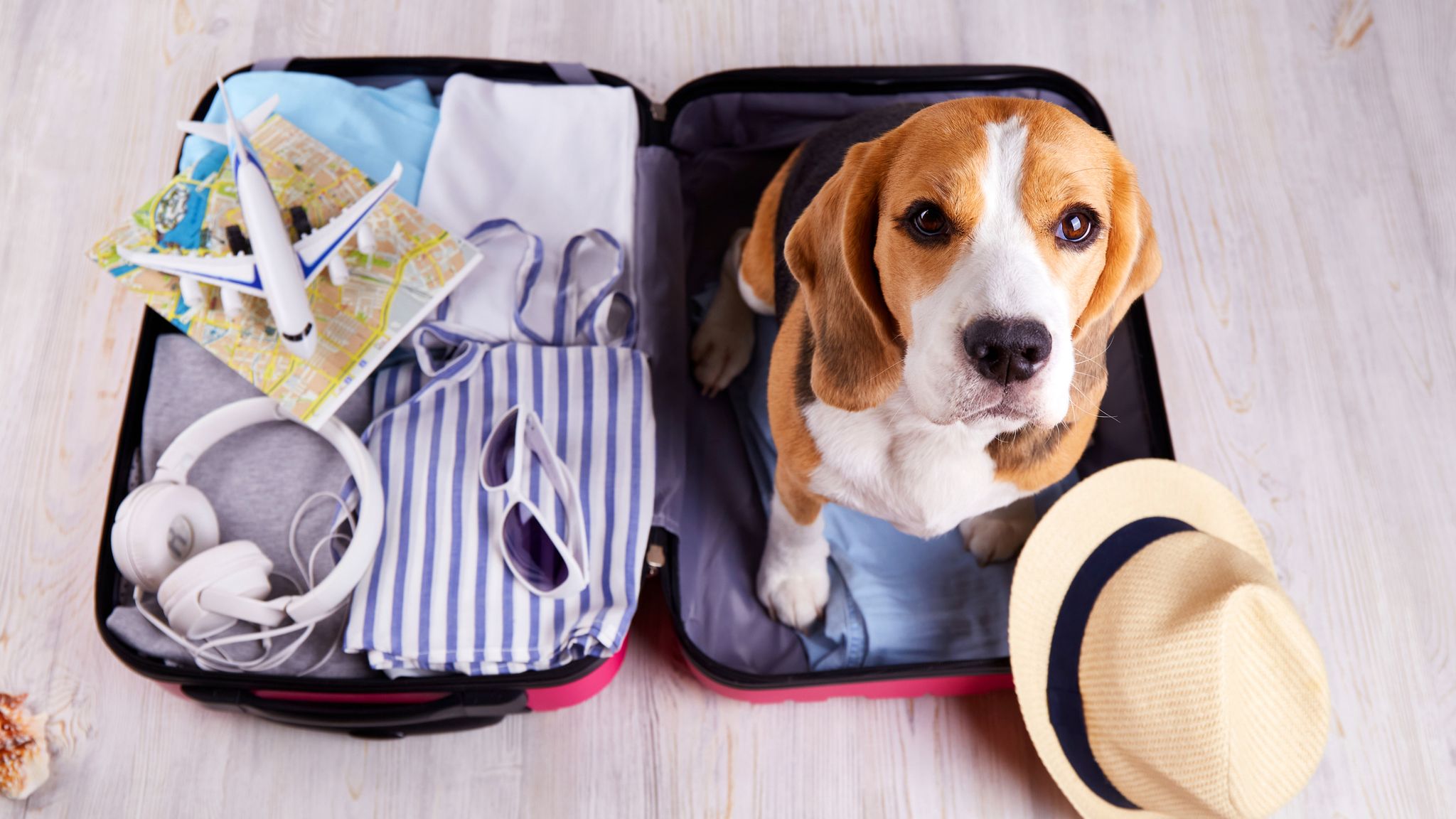
What Has Changed for UK Pet Owners Travelling to the EU?
Under the new European Union travel regulations, any UK resident wishing to bring their pet into an EU country must obtain an animal health certificate before departure. This certificate must be issued by an authorized veterinarian within 10 days prior to travel. Unlike the previous pet passport system, a new certificate is required for each journey from the UK to the EU.
While the animal health certificate facilitates onward travel within the EU for up to six months and allows pets to re-enter the UK, the old UK-issued pet passports are no longer valid for entry into EU member states. This means that even if a pet passport was issued within the EU or previously used successfully, it cannot be used by UK travellers after April 22.
The UK government has issued a clear warning: “If you use a pet passport, your pet may be refused entry into the EU.” These rules apply equally to assistance dogs, emphasizing that all categories of traveling pets must comply.
Additional Restrictions and Requirements
Besides the mandatory animal health certificate, the EU has introduced other key restrictions to improve animal movement controls. One such rule caps the number of pets allowed in a single private vehicle at five. This limit aims to prevent illegal pet trafficking and ensure animal welfare during transportation.
Furthermore, owners must now provide written permission if their animal is travelling with someone else. This measure is designed to verify ownership and responsibility, reducing the risk of unauthorized or unregulated pet travel.
Another important development concerns the issuance of EU pet passports themselves. These are now strictly reserved for individuals whose main residence is within the EU. This change excludes seasonal visitors and holiday home owners from obtaining EU pet passports, affecting those who frequently travel between the UK and EU residences with their pets.
Implications for Pet Owners and Future Travel
UK-based travellers returning home will still be accepted with their EU-issued pet passports, but those passports cannot be used for new journeys from the UK into the EU. This shift means pet owners must plan carefully and coordinate veterinary visits well in advance to secure the necessary animal health certificates.
These updated rules reflect broader post-Brexit changes in how the UK and EU manage cross-border animal movement. They aim to protect public and animal health by ensuring stricter checks on vaccinations, parasite treatments, and overall animal condition before travel.
For UK pet owners, these changes mean increased paperwork, potential delays, and the need for greater awareness of travel timelines. Travelling without proper certification risks refusal of entry for pets, which can cause distress and disruption to owners and animals alike.
Why These Changes Matter
The EU’s enhanced pet travel regulations respond to concerns about disease control, especially regarding rabies and other transmissible illnesses. By requiring up-to-date veterinary certification for each trip, authorities can better monitor animal health and prevent outbreaks.
For pet owners, understanding and complying with these requirements is crucial to avoid travel complications. The new rules also highlight the importance of responsible pet ownership and the need to respect international health standards when crossing borders.
As travel patterns evolve post-Brexit, staying informed about regulatory shifts ensures smoother journeys for both owners and their beloved animals.
Looking Ahead
UK pet owners planning trips to the EU must adjust quickly to these changes. Securing an animal health certificate before departure has become a vital step in the travel process, replacing the convenience of the pet passport. Veterinarians will play an essential role in guiding owners through the new procedures.
While these rules may initially cause inconvenience, they ultimately serve to safeguard animal welfare and public health across Europe. Pet owners should monitor official guidance regularly, as regulations may continue to evolve.
In summary, the era of pet passports for UK-to-EU travel has ended. Compliance with the new animal health certificate regime is mandatory from April 22 onward, marking a new chapter in international pet travel that demands preparation, vigilance, and care.