After months of hesitation and strategic recalibration, European Union leaders have finalized a team to represent Europe in the ongoing peace negotiations concerning Ukraine. This carefully selected group includes non-EU member Britain, alongside key EU players France, Germany, Italy, and Poland, as well as representatives from EU institutions.
What Happened: Europe Unites to Speak with One Voice
This decision follows a tense period in which European governments grappled with how best to assert their influence on the global stage amid the conflict between Ukraine and Russia. The summit, held in Dublin, saw EU leaders emphasize the urgent need for Europe to avoid marginalization in the US-led peace efforts.
European Council President Antonio Costa, who presides over EU summits, underscored the importance of a unified European stance. Speaking at the close of the meeting, he declared, “Europe must speak with one clear voice and united voice in all discussions that shape the future of Ukraine and the security of our continent. And this is ultimately a team effort.”
While the exact EU institutional representatives remain unconfirmed, speculation centers on President Costa himself and Kaja Kallas, the EU’s top diplomat. Their involvement would signal a commitment to a cohesive diplomatic approach that melds EU leadership with major member states and Britain.
Why This Matters: Navigating Complex Geopolitics and Security Concerns
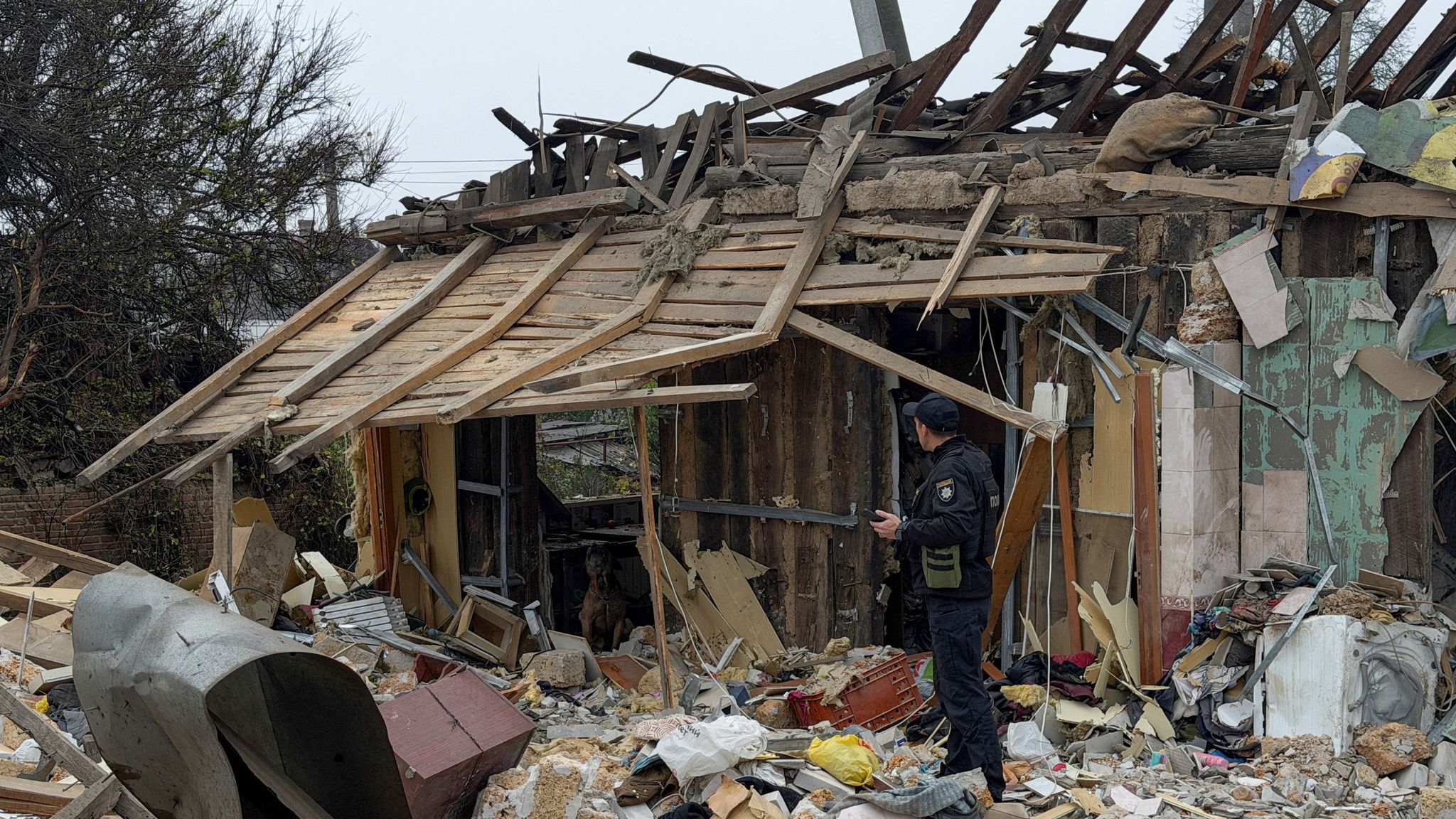
The backdrop to this move is the heightened anxiety among European leaders about the intentions of Russian President Vladimir Putin. Since his full-scale invasion of Ukraine in February 2022, Putin has pursued demands that would undermine Kyiv’s sovereignty and reshape European security architecture to Russia’s advantage.
Central to Kremlin demands are calls for NATO forces to retreat from Russia’s borders and for a complete ban on deploying European troops in Ukraine. These conditions threaten not only Ukraine’s future but also the broader security framework that has sustained Europe since the Cold War.
In a recent statement, the Kremlin signaled openness to European involvement in peace talks, provided these countries demonstrate a genuine commitment to peace. This marks a shift from Moscow’s previous stance, which excluded European governments on the grounds of their support for Ukraine.
French President Emmanuel Macron highlighted the critical role Europe must play, asserting, “Without Europeans, there is no support for Ukraine. There is no more US support.” Macron’s remarks at the European Political Community meeting in Dublin emphasize Europe’s responsibility to shape its own security destiny.
Meanwhile, Russian officials insist that a broad agreement on Europe’s security framework must precede detailed war negotiations. German Chancellor Friedrich Merz dismissed these demands as “the same old game,” reaffirming that Europe and the United States share a clear position: “There will be no discussions about Ukraine without Ukraine, and no discussions about Europe without Europe.”
Merz further stated, “There is no need to talk about European security architecture. We have that already,” signaling firm resistance to reopening security arrangements that have underpinned peace for decades.
What Comes Next: The Road Ahead for Peace Negotiations
This unified European team recently participated in talks held in Abu Dhabi alongside Russian and Ukrainian representatives. Though Moscow and Kyiv acknowledged some progress, critical issues such as territorial disputes remain unresolved, underscoring the complexity of reaching a comprehensive peace deal.
Including Britain in the European delegation marks a significant step, underscoring a shared European interest transcending EU membership status. By combining the political weight of the UK, France, Germany, Italy, Poland, and EU institutions, Europe aims to present a cohesive front capable of influencing the trajectory of the conflict and postwar security arrangements.
As the situation evolves, Europe’s ability to maintain unity and clarity will be crucial in countering any attempts by Russia to weaken Ukraine or fracture Western alliances. This diplomatic strategy reflects the recognition that the war in Ukraine is not only a regional conflict but a pivotal test of European solidarity and security.
Why It Matters: Europe’s Security and Global Influence at Stake
The formation of this unified European team signals a decisive moment for the continent’s future. With the war in Ukraine reshaping geopolitical realities, Europe faces the challenge of ensuring its voice is neither drowned out by superpower negotiations nor fragmented by internal divisions.
By stepping forward collectively, European nations reaffirm their commitment to Ukraine’s sovereignty and the principles of a rules-based international order. This move also reflects a broader strategic imperative: safeguarding the continent’s security architecture against revisionist pressures while maintaining transatlantic solidarity.
Ultimately, the success of this European delegation in peace talks could determine not just the fate of Ukraine but the stability and security of Europe for years to come.