The US military swiftly reacted to an alarming incident at RAF Lakenheath, a crucial airbase hosting American forces in the United Kingdom, after detecting “suspected unauthorised drone activity.” Personnel on the base were ordered to take immediate shelter, though fortunately, no injuries or damage to aircraft occurred.
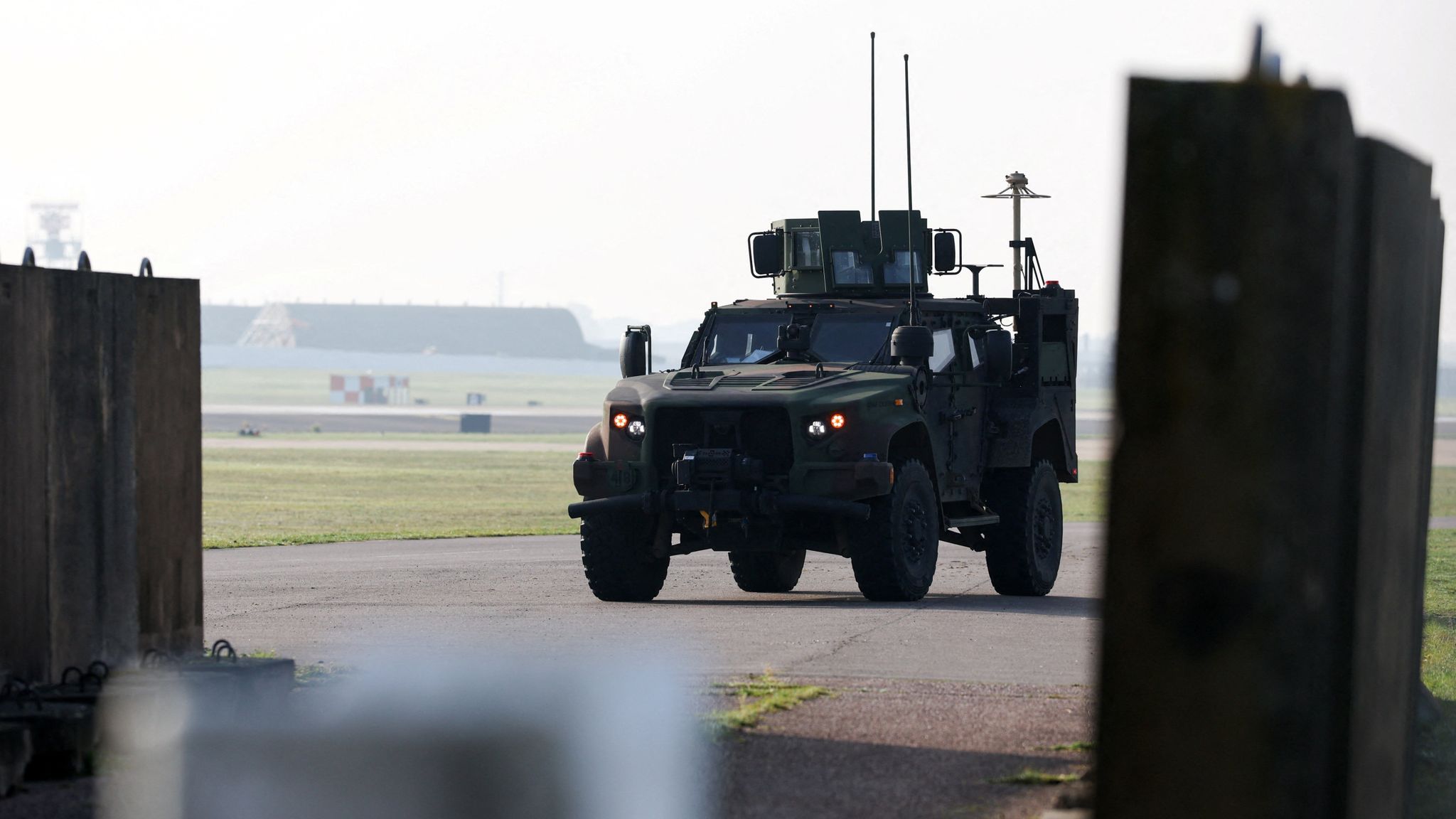
What Happened at RAF Lakenheath?
On the evening of the incident, the United States Air Force (USAF) Security Forces responded promptly to reports of drone activity that was not authorized over RAF Lakenheath. The base, located in Suffolk, England, plays a vital role in US military operations overseas and serves as a home for numerous American airmen and their families.
A spokesperson for the US Air Force confirmed, “No personnel, aircraft or infrastructure were affected.” The alert sent to the base was marked with urgency, bearing the heading “REAL WORLD” in bold red letters, instructing all personnel to “shelter-in-place” and seek the nearest safe room.
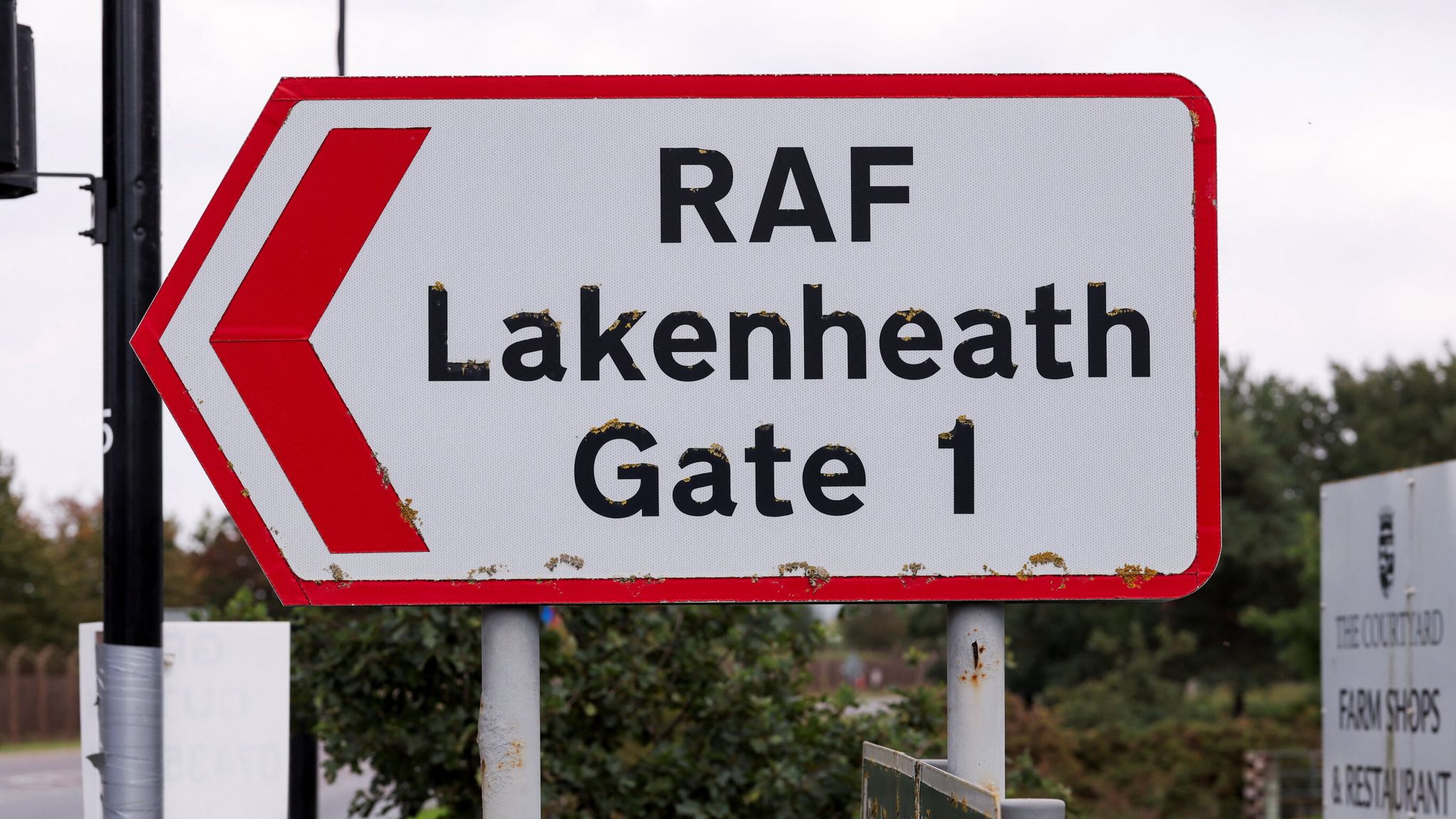
RAF Lakenheath’s community reacted quickly to the alert. Sky News obtained a copy of the message, which underscored the seriousness with which the US military treats any unusual aerial activity, especially unauthorized drones that could pose potential security risks.
Local Member of Parliament Nick Timothy reassured the public via social media that the situation was under control, stating he had been in contact with authorities and confirmed, “there is no threat to the public and the incident is now resolved.”
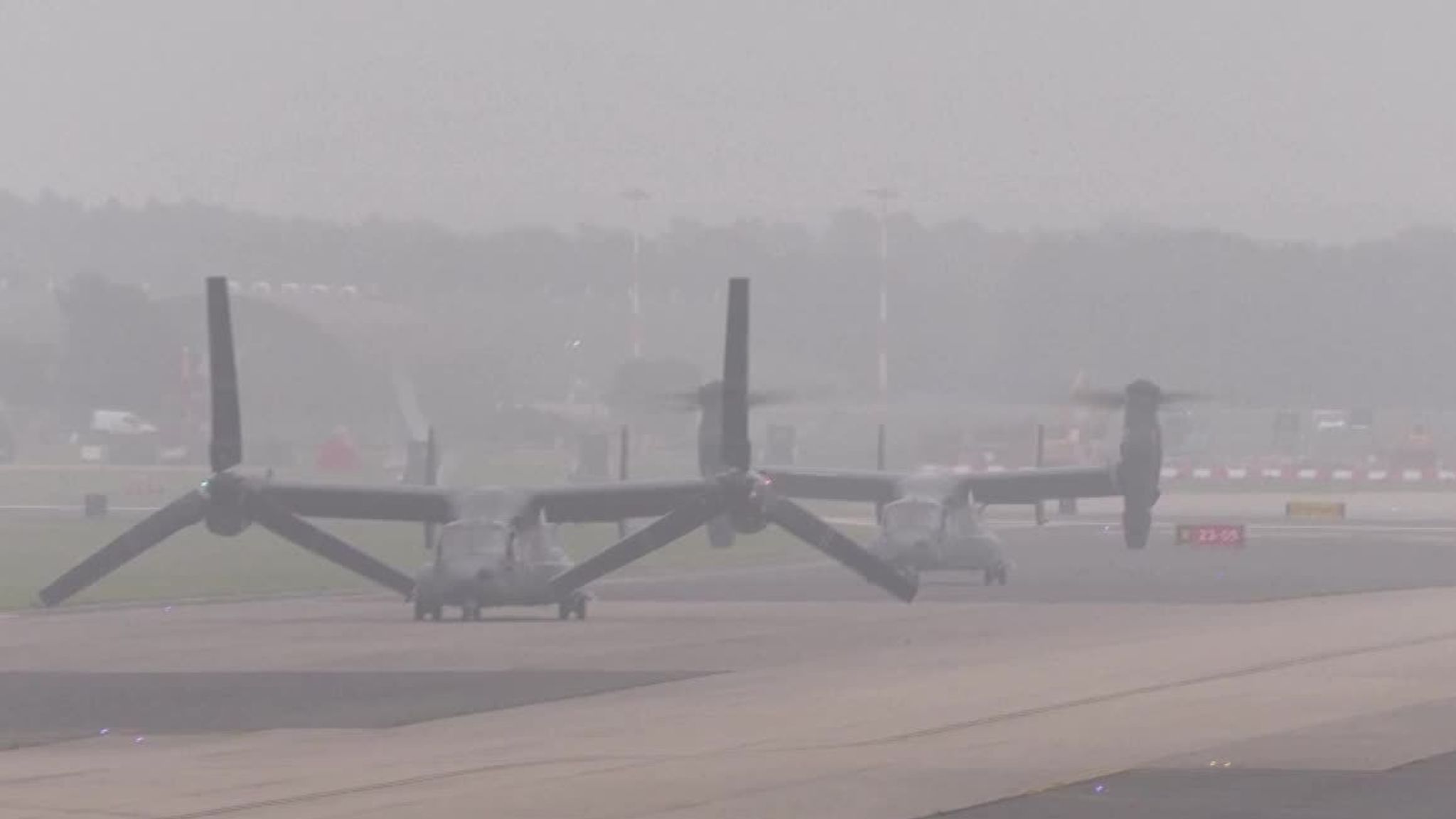
Context: Rising Security Concerns at UK Airbases Hosting US Forces
This drone incident at RAF Lakenheath comes amid a series of heightened security threats targeting US military facilities in the UK. Just days earlier, over a dozen warplanes were evacuated from another major US-operated base, RAF Mildenhall, also in Suffolk, due to threats reportedly linked to Iran. Several aircraft were relocated to RAF Lakenheath for safety.
Moreover, last month, the US relocated its bomber planes from a third British base, RAF Fairford, back to the United States following similar security concerns connected to Iranian activity. These moves underscore an ongoing pattern of vigilance and precaution in response to potential threats facing US military assets stationed in the UK.
Why This Matters: Strategic Implications and Security Vigilance
RAF Lakenheath is the largest US Air Force base in the UK and a critical hub for American airpower in Europe. The base supports a range of missions, including intelligence gathering, rapid deployment, and strategic deterrence. Any unauthorised drone activity over such a facility raises significant security alarms because drones can be used for surveillance, disruption, or even direct attack.
The incident highlights the increasing complexity of securing military installations in an era where unmanned aerial vehicles (UAVs) have become widely accessible. Protecting service members, aircraft, infrastructure, and local communities requires constant coordination between US forces and British authorities.
The US Air Force’s statement emphasized this partnership, noting, “Protecting our shared community is a joint responsibility,” and urged everyone in the area to report any suspicious behavior to local law enforcement.
Looking Ahead: Ensuring Base Security Amid Evolving Threats
The swift shelter-in-place order and coordinated response demonstrate the high priority placed on safeguarding personnel and assets. Such measures are critical not only for physical security but also for maintaining operational readiness amid geopolitical tensions.
As drone technology advances and threats evolve, bases like RAF Lakenheath will likely continue to adapt their security protocols. Strengthening surveillance, rapid response capabilities, and intelligence sharing with UK partners will remain essential to countering emerging risks.
While this particular incident ended without harm, it serves as a reminder of the persistent vigilance required to protect vital military infrastructure abroad. The US and UK remain committed to working closely to defend their shared interests and communities against any form of threat.