Across Europe and beyond, governments are intensifying efforts to restrict children’s access to social media platforms, aiming to curb exposure to harmful content and addictive technologies. From France to Norway, a growing wave of legislation targets age verification and stricter controls on underage users, with the European Union signaling it will back these moves while holding tech giants accountable.
Europe’s Coordinated Drive to Protect Young Users
France leads the charge in Europe with a bold plan to ban social media access for children under 15 years old, targeting an implementation date as soon as September 2024. This initiative responds to mounting concerns about the impact of social media addiction and inappropriate content on youth mental health and development.
Meanwhile, Spain is preparing legislation to block under-16s from social media, aiming to shield them from exposure to pornography, addictive algorithms, and other harmful materials. The Spanish government’s plan reflects a broader trend of raising the legal age for social media access to better protect minors.
Portugal has already enacted a law requiring parental consent for users aged 13 to 16, while putting in place even stricter rules for children under 13. Their approach includes mandatory age-verification technologies, signaling a move towards more robust enforcement mechanisms against underage social media use.
Germany is crafting its own measures, considering a ban on social media for children under 14, alongside restrictions for teenagers up to age 16. German proposals also emphasize the need to create “safe” youth-friendly versions of social media platforms and to remove addictive features from these services.
The Broader International Movement and EU’s Stance
Norway plans to implement a comprehensive ban on social media use for anyone under 16 by the end of 2026. This legislation will compel technology companies to integrate effective age-verification systems, marking a significant step toward safeguarding minors in the digital realm.

Similar proposals have surfaced in New Zealand, Malaysia, and India, each aiming to restrict social media access for children to fight rising concerns about addiction, privacy violations, and exposure to inappropriate content worldwide.
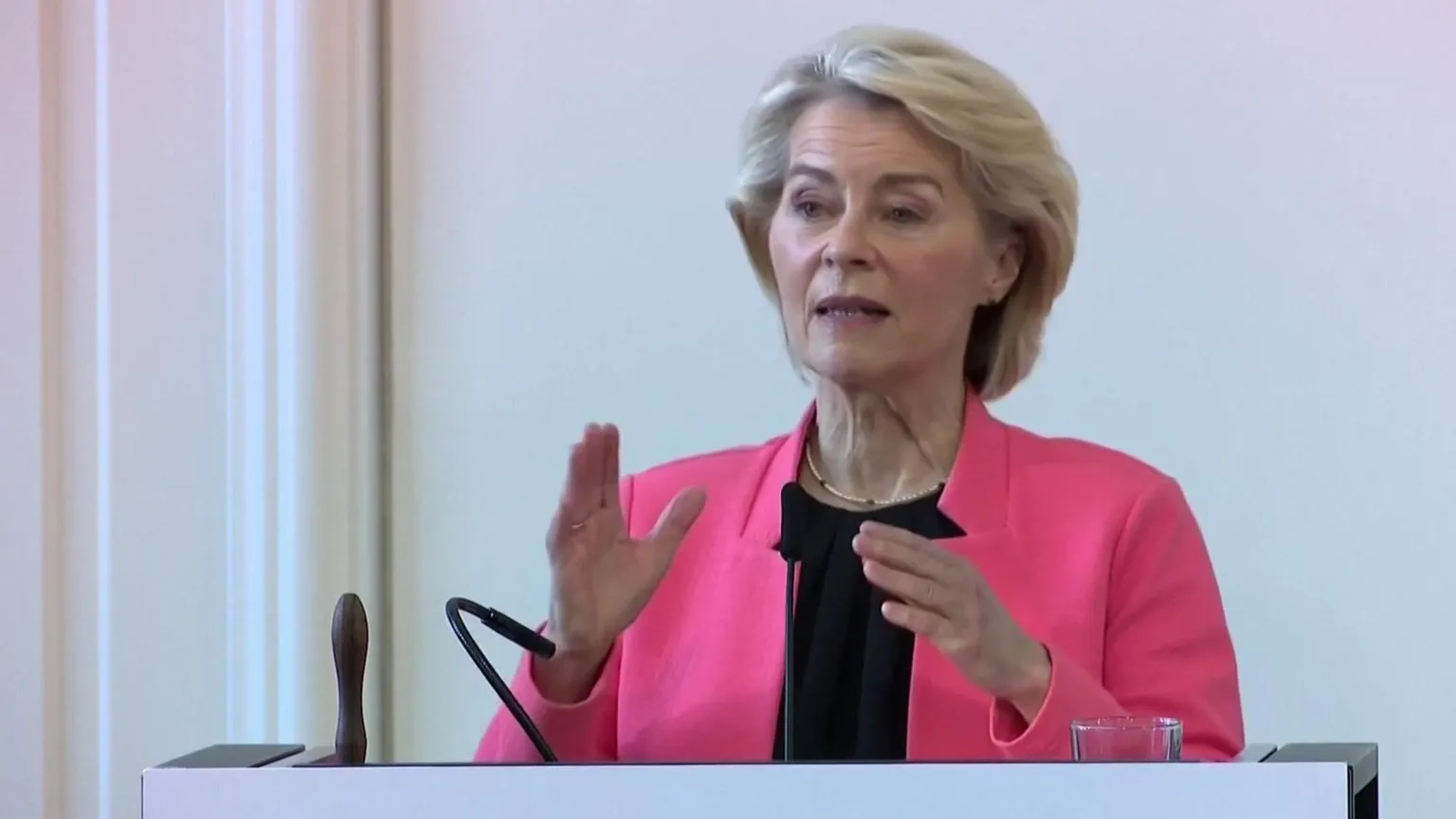
The European Union has been at loggerheads with major social media platforms for years over their handling of youth safety online. EU Commission President Ursula von der Leyen emphasized that enforcing age restrictions does not absolve tech companies from responsibility. “The question is not whether young people should have access to social media. The question is whether social media should have access to young people,” she declared, urging policymakers to “give childhood back to children.”
Why These Measures Matter and What Lies Ahead
These legislative efforts reflect a growing consensus that the digital landscape requires urgent reform to protect the most vulnerable: children and teenagers. Studies increasingly link early and excessive social media use to mental health issues, including anxiety, depression, and addictive behaviors. Moreover, exposure to harmful content such as explicit material or misinformation can have long-lasting adverse effects.
By mandating age verification and restricting access, governments seek to create safer online environments that respect childhood development and parental control. The push to eliminate addictive algorithms aims to reduce compulsive usage patterns engineered by social media companies.
However, implementing these policies presents challenges. Age verification technologies must balance effectiveness with privacy rights, avoiding intrusive data collection. Additionally, tech companies face pressure to innovate safer platform designs without sacrificing user engagement and profitability.
For families, these laws offer increased protection but also raise questions about digital literacy and responsible use. Educators and policymakers will need to develop complementary strategies that teach young people how to navigate social media safely and critically.
As Europe positions itself at the forefront of regulating children’s social media access, the global wave of similar initiatives signals a profound shift in how societies manage technology’s impact on youth. The coming years will reveal how effectively these laws can enforce safer digital spaces and whether they inspire worldwide standards for protecting children online.
In summary, the momentum behind delaying social media access for children underlines a critical reassessment of technology’s role in childhood. Governments across continents are united in the goal to shield young users from harm, demanding greater accountability from social media giants. This evolving landscape challenges tech companies, regulators, and families alike to prioritize children’s well-being in the digital age.