

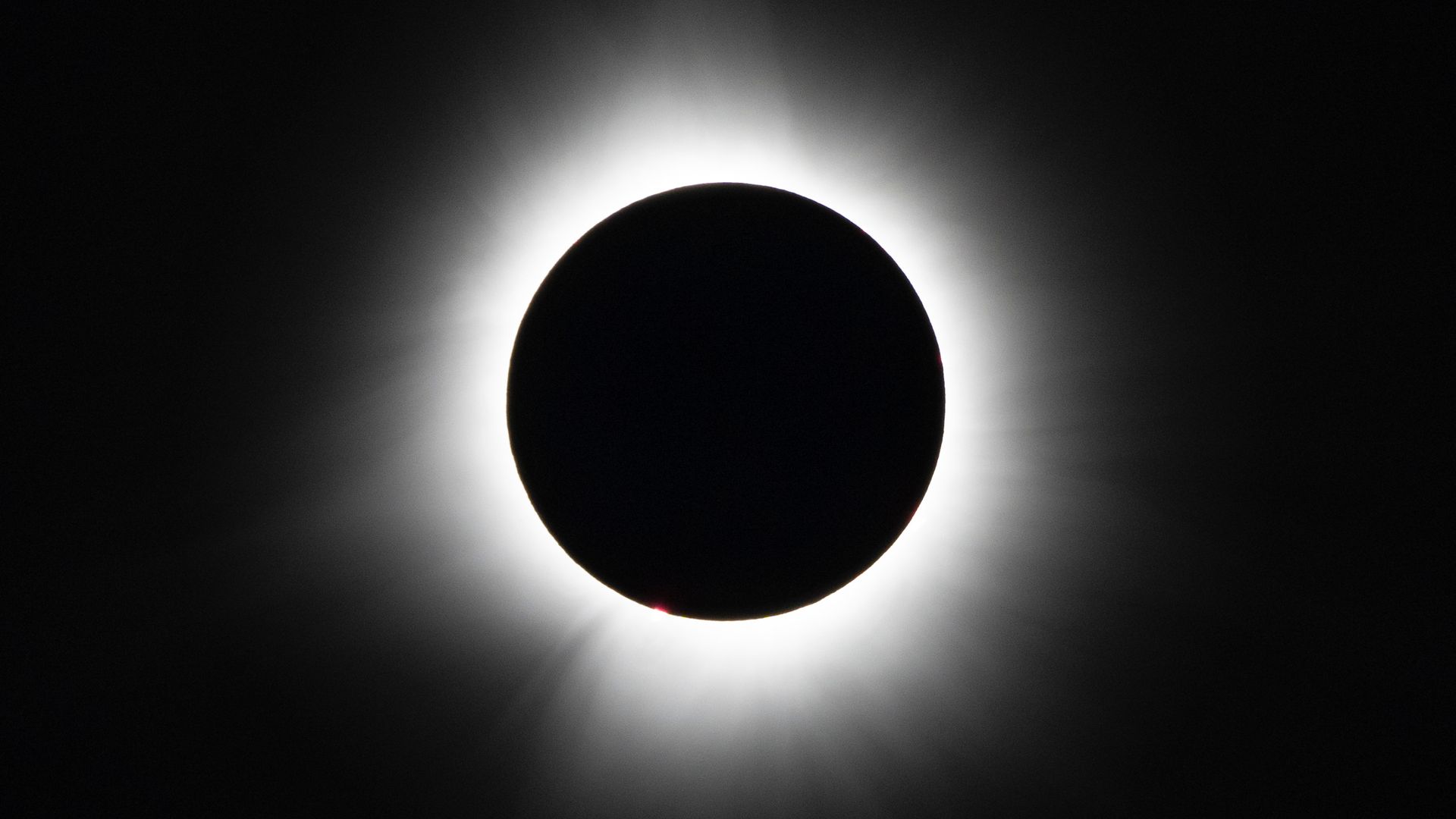
Europe is gearing up for a celestial spectacle unseen for almost three decades—a solar eclipse set to captivate millions this month. This rare astronomical event offers a unique opportunity for skywatchers and casual observers alike to witness the sun partially veiled by the moon, creating dramatic shadows and stunning visual effects across the continent.
What Is Happening This Month?
A solar eclipse occurs when the moon passes directly between the Earth and the sun, casting a shadow over parts of the planet. This month’s eclipse marks the first significant solar eclipse visible over Europe since the early 1990s, making it a highly anticipated event for astronomers and the public.
Unlike a total eclipse, where the sun is completely obscured, this event will be a partial eclipse for most European locations. The degree of coverage varies depending on where you are—some regions will experience a deeper obscuration of the sun, while others will see a more subtle effect.
Where Are the Best Places to Watch the Eclipse?
The visibility and magnitude of the eclipse differ widely across Europe. Northern and western areas will witness the most significant coverage, with parts of Scandinavia and the British Isles experiencing up to 80% of the sun being covered. In contrast, southern and eastern Europe will see a smaller portion of the sun obscured.
For the most dramatic views, experts recommend heading to locations in Norway, Sweden, and Scotland. These areas will enjoy prolonged periods of eclipse and clearer skies, conditions ideal for observation. Urban centers with open horizons and minimal light pollution also provide excellent vantage points.
It’s crucial to remember that viewing a solar eclipse safely requires proper eye protection. Specialized solar viewing glasses or filters are essential to prevent permanent eye damage. Regular sunglasses or improvised methods do not offer sufficient protection.
Why This Eclipse Matters
This eclipse is more than just an astronomical curiosity; it’s a moment that connects generations of sky enthusiasts, scientists, and the general public. The last solar eclipse visible across much of Europe occurred nearly 30 years ago, so many people—especially younger generations—have never experienced this phenomenon firsthand.
Solar eclipses also provide valuable scientific opportunities. Researchers use these events to study solar phenomena such as the sun’s corona, magnetic fields, and solar flares. This data contributes to understanding space weather and its impact on Earth’s technologies.
Moreover, the eclipse sparks public interest in astronomy and science education, inspiring countless individuals to learn more about our solar system and the mechanics of celestial motion.
What to Expect and How to Prepare
To maximize your viewing experience, plan ahead. Check local eclipse timing for your area, as the eclipse will unfold over several hours. Weather conditions will also play a critical role; clear skies are paramount for a successful observation.
Local astronomical societies often organize public viewing events with expert guidance and safe equipment. Participating in these gatherings can enhance your experience and provide educational context.
Finally, remember to protect your eyes at all times during the eclipse. Viewing the sun without proper filters, even for a brief moment, can cause serious eye injuries.
Looking Ahead: The Next Solar Eclipses in Europe
While solar eclipses occur somewhere on Earth roughly every 18 months, visible eclipses over Europe remain infrequent. This month’s event is a rare chance to witness this awe-inspiring phenomenon close to home. The next solar eclipses visible in Europe won’t occur for several years, making this one a must-see.
Whether you’re an avid astronomer or a curious onlooker, this solar eclipse offers a spectacular show that underscores the dynamic relationship between Earth, the moon, and the sun.
Don’t miss your chance to witness Europe’s first solar eclipse in nearly three decades—plan your viewing spot, prepare your safety gear, and look skyward this month for a celestial display that will leave a lasting impression.