

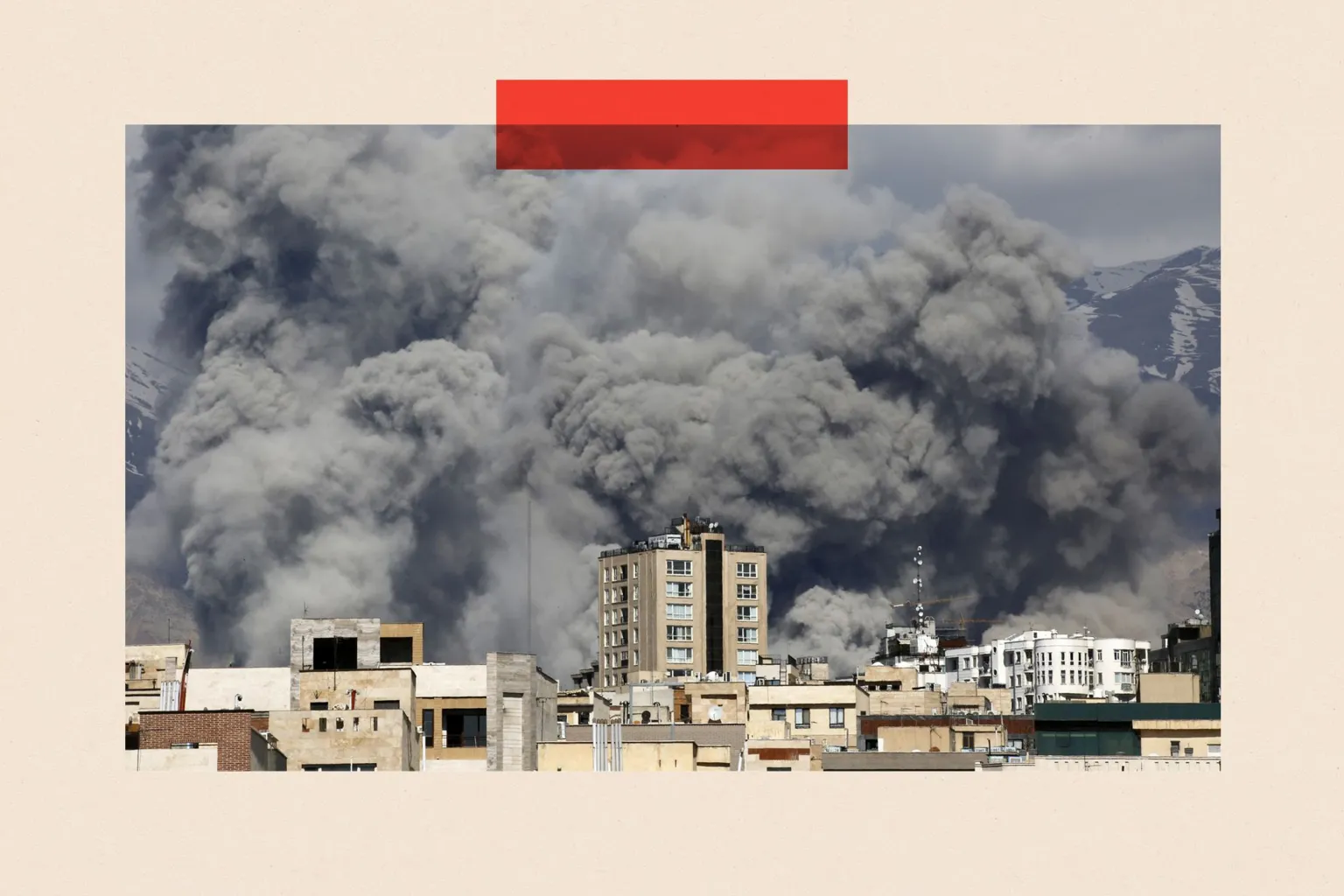
As the US and Israel launched military strikes against Iran three days ago, Europe’s leaders revealed a troubling lack of unity. Despite forewarning signs and escalating tensions, the continent now appears divided and reactive, struggling to present a cohesive front amid a rapidly unfolding Middle East crisis.
Europe’s Uneven Reaction to the Iran Conflict
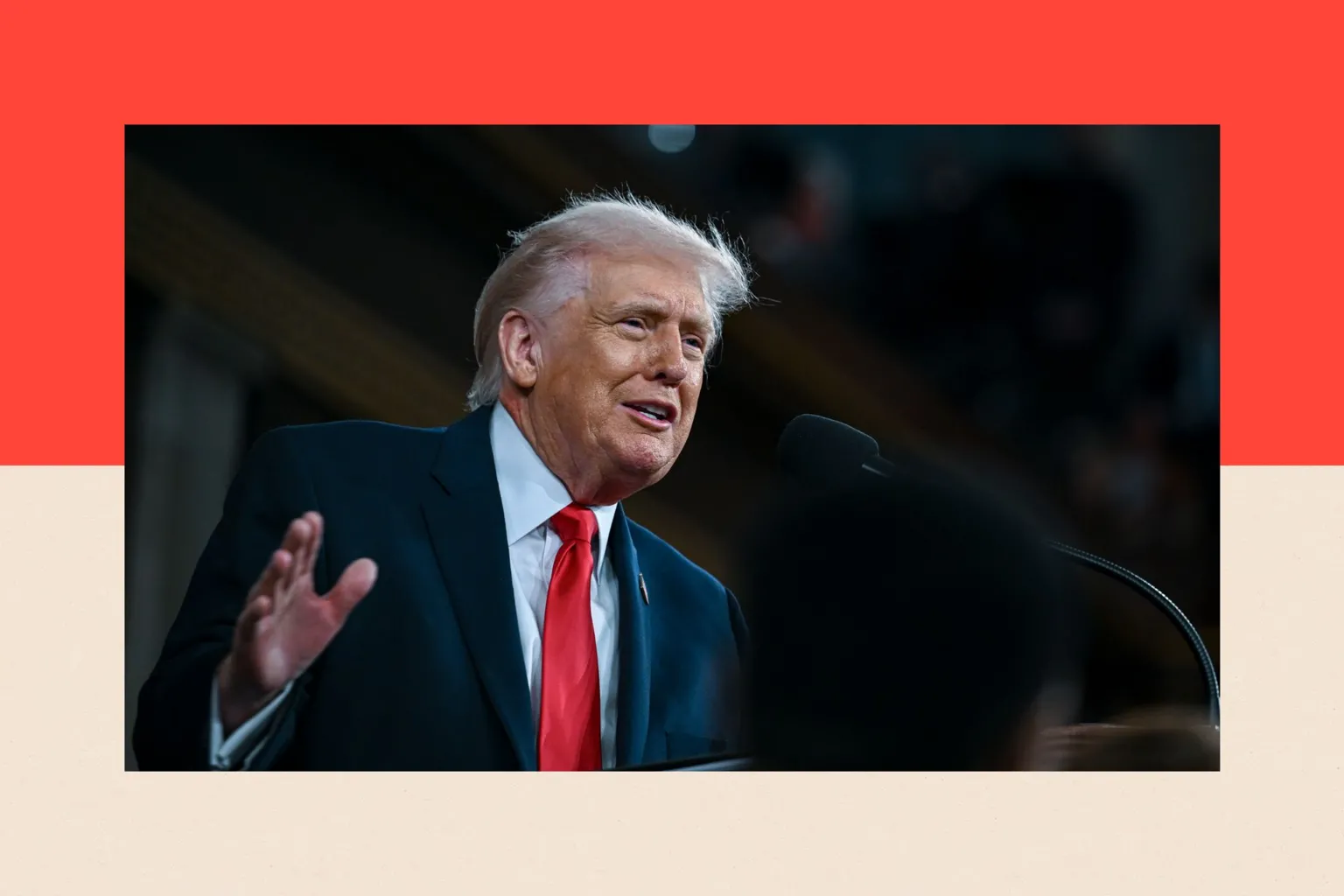
For weeks, European capitals closely monitored the US military buildup in the Middle East, aware of President Donald Trump’s hardline ultimatums to Tehran: abandon all nuclear ambitions or face severe consequences. Yet when the strikes commenced, Europe’s response was fragmented and cautious, undermining its influence on the global stage.
Each European government faces immediate concerns: protecting tens of thousands of its citizens residing or traveling in the volatile region and mitigating the crisis’s economic fallout at home. Energy markets reacted swiftly, with European gas prices spiking to levels reminiscent of the 2022 surge triggered by Russia’s invasion of Ukraine. Food prices are also under pressure, fueling anxiety among consumers.
The political landscape within Europe reveals deeper fissures. France, Germany, and the UK—the continent’s most influential powers—issued a joint statement warning Iran against further missile and drone attacks, threatening “defensive action” if provocations continue. However, their actions diverge in practice.
The UK has permitted the US to use two British bases for defensive strikes targeting Iranian missile sites, though President Trump criticized London for insufficient engagement. France is reinforcing its military presence in the Middle East after an Iranian strike on a French base in the UAE, while Germany maintains a defensive posture without plans for offensive involvement.

Notably absent from official statements and European Union messaging is any questioning of the legality of US-Israeli strikes under international law. EU foreign policy chief Kaja Kallas has remained silent on this sensitive issue, reflecting a broader reluctance to challenge Washington openly. This hesitancy stems partly from a strategic desire not to alienate the US, whose cooperation Europe desperately needs amid its own security challenges, including the ongoing war in Ukraine.
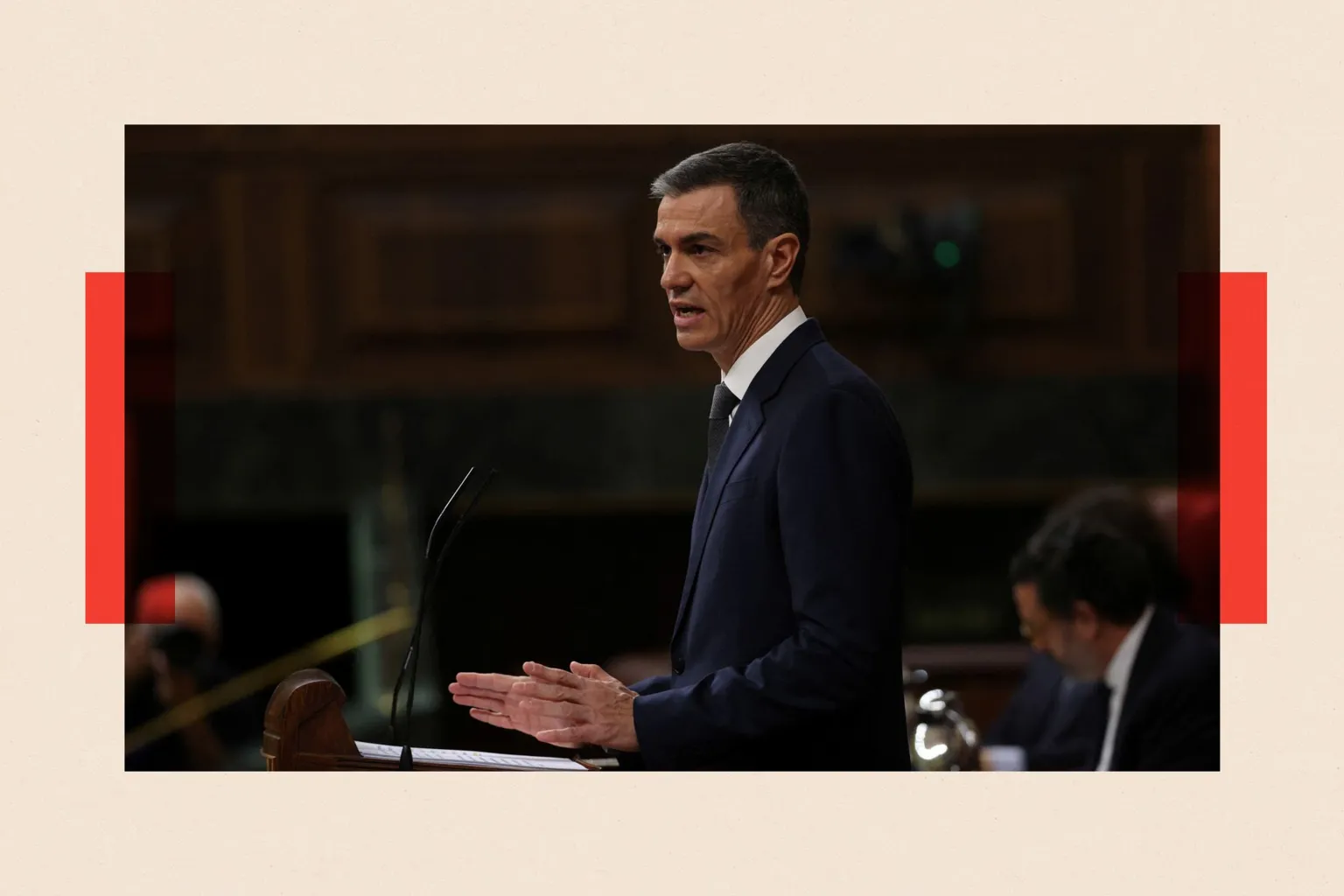
Spain’s Prime Minister Pedro Sánchez distanced himself from this ambiguity, clearly condemning both Iran’s regime and what he termed an unjustified military intervention outside international law. Madrid subsequently refused US requests to use Spanish bases for attacks on Iran, underscoring divergent national approaches within Europe.
The European Union’s internal discord was further exposed when member states’ foreign ministers refrained from calling for regime change in Iran, even as European Commission President Ursula von der Leyen publicly advocated for a “credible transition” in Tehran. This inconsistency underscores Europe’s struggle to speak with one voice on critical foreign policy matters.
Shifting Security Priorities and Nuclear Postures
Europe’s difficulties in managing the Middle East crisis occur against a backdrop of profound global instability. In 2026 alone, crises in Venezuela, Greenland, and Iran have tested Europe’s diplomatic agility. The continent faces an expansionist Russia on its doorstep, a commercially assertive China, and an increasingly unpredictable US ally under Trump’s leadership.
Amid these pressures, France’s President Emmanuel Macron announced a significant shift in France’s nuclear doctrine, signaling a readiness to expand its nuclear arsenal in response to evolving threats. This move reflects growing European unease about reliance on the US nuclear umbrella, as Washington’s priorities shift.
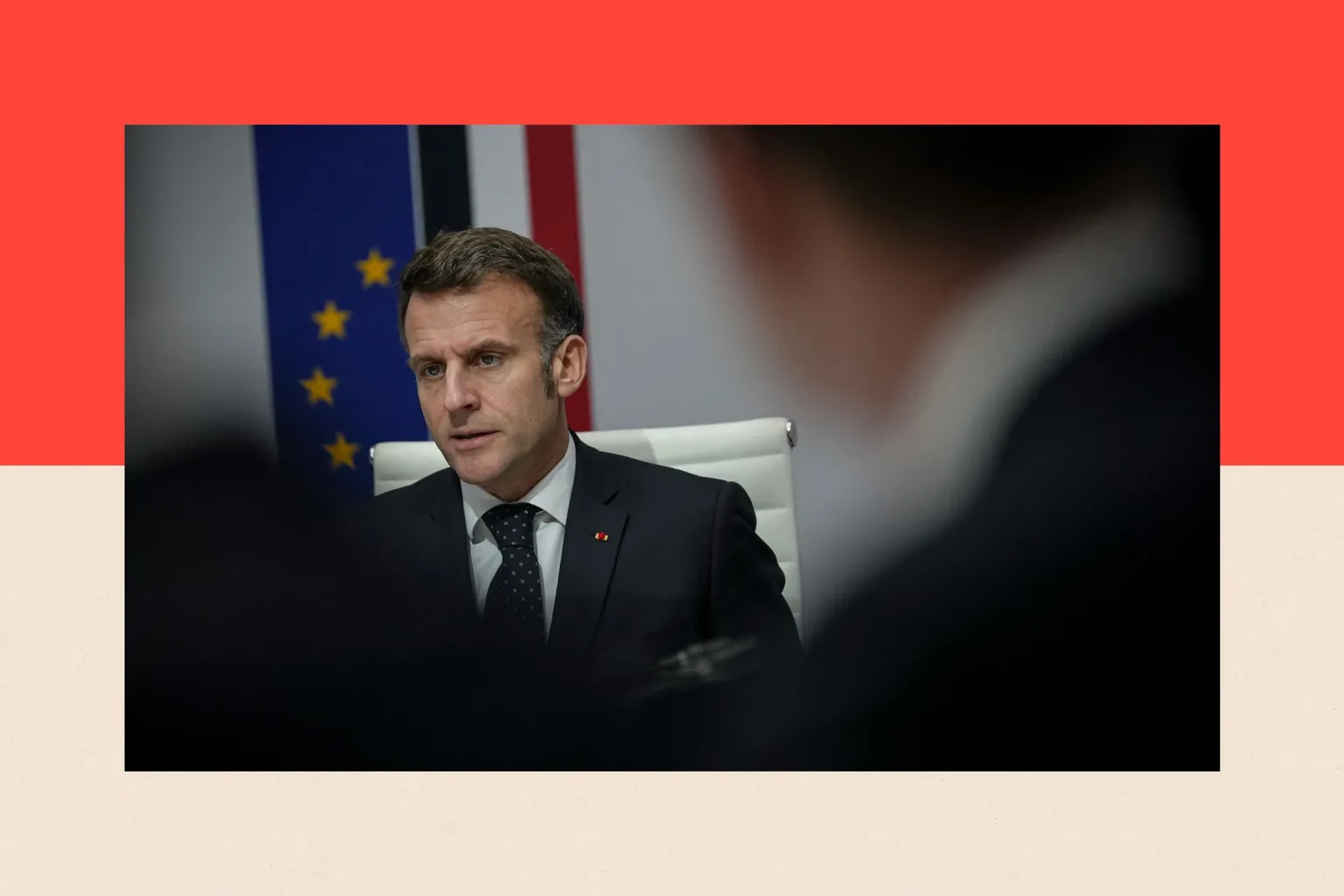
Countries such as Sweden, Germany, and Poland have approached France seeking expanded nuclear protection beyond NATO’s existing framework, highlighting demand for greater European strategic autonomy. Macron, a long-time advocate for a more independent European defense capability, now finds his warnings validated.
Yet coordination remains elusive. Europe’s defense procurement exemplifies inefficiency, with 178 different weapon systems in use across the continent compared to just 30 in the US. European Parliament President Roberta Metsola recently condemned this fragmentation as “inefficient, expensive and slow.” NATO’s voluntary guidelines attempt to harmonize acquisitions among its 32 members, but national interests often override collective strategy.
France, in particular, faces criticism for prioritizing its own defense industry over broader European collaboration. Meanwhile, all NATO members except Spain have agreed to increase defense spending under US pressure, but the real question remains whether funds will translate into effective, integrated capabilities.
Historical Legacies Shape National Responses
Europe’s divergent responses to the Iran conflict also reflect distinct national histories and public sentiments. Germany’s cautious stance stems from a post-World War II aversion to military intervention. Despite its leadership in providing military aid to Ukraine, Germany has firmly rejected offensive operations in the Middle East, mindful of public sensitivity to conflict involvement.
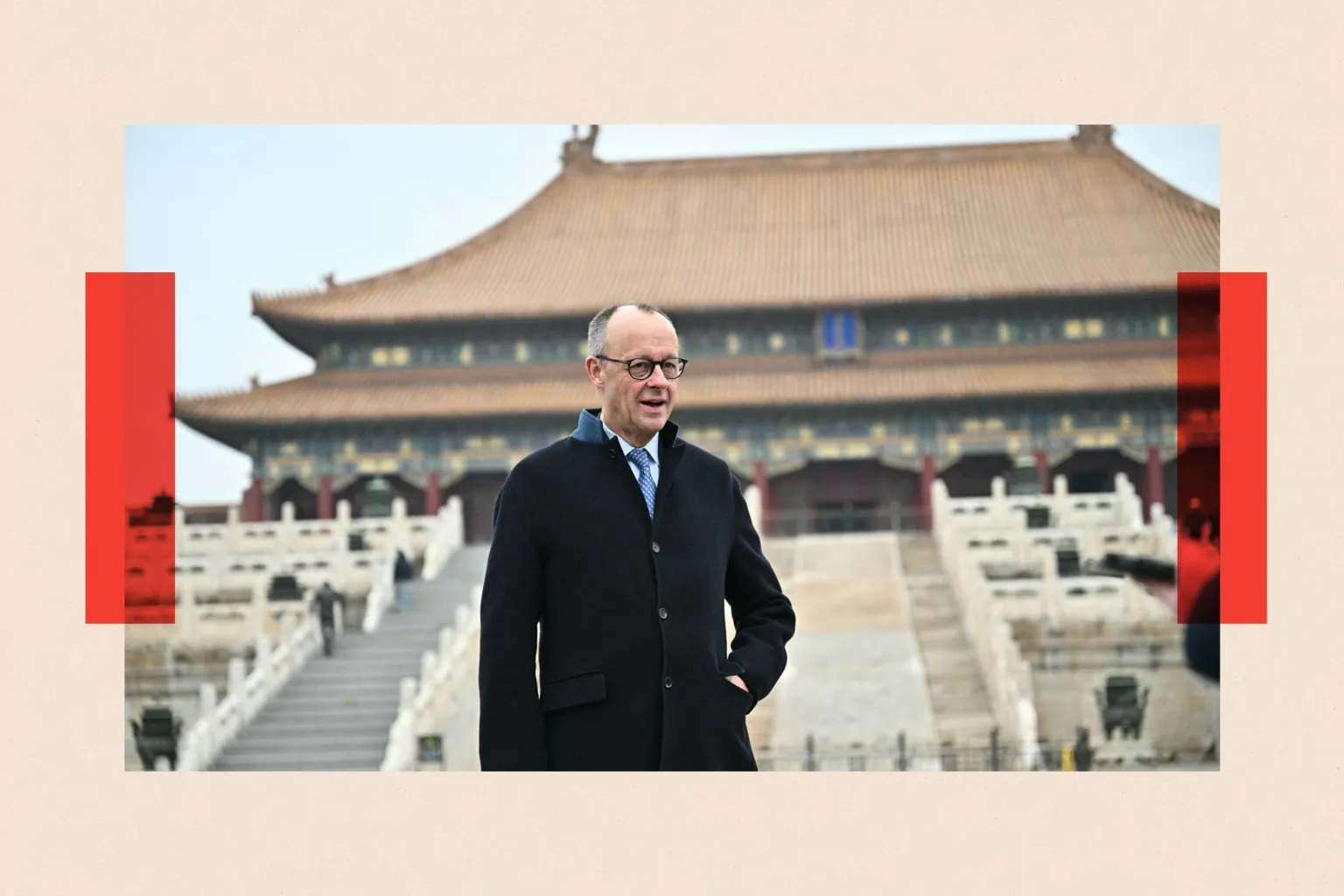
Under Chancellor Friedrich Merz, Germany is significantly increasing defense spending and expanding its conventional army, aiming to assume a more proactive role in European security. This evolution has earned cautious approval from other European powers, signaling a shift in German military posture after decades of restraint.

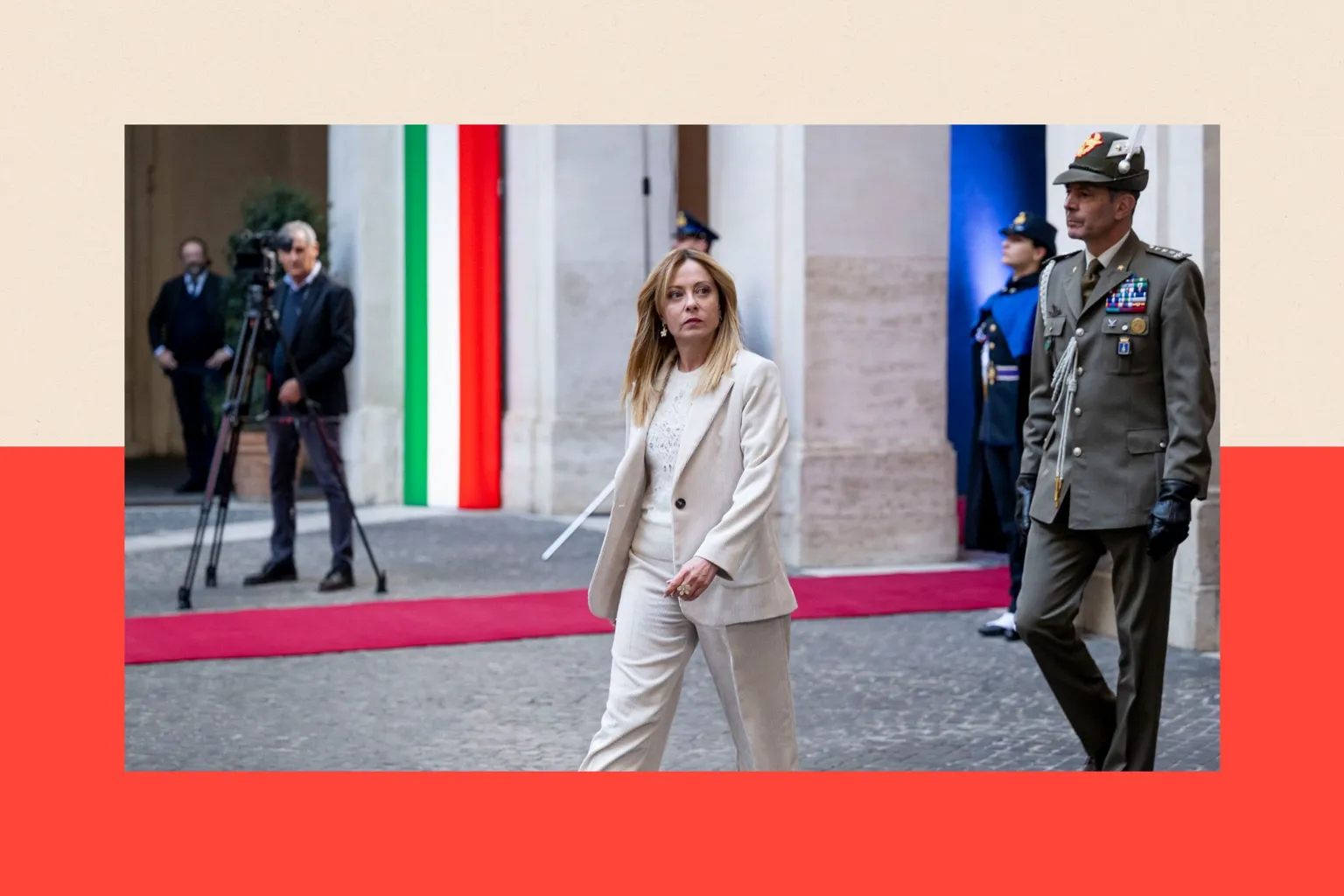
Italy’s position is more conflicted. Prime Minister Giorgia Meloni, known for her warm ties to Donald Trump, has maintained a low profile amid the Iran crisis. Italy’s historically fragmented national identity and skepticism toward government intervention contribute to widespread public reluctance to engage militarily. When Russia invaded Ukraine in 2022, Italy was unique among Western nations in its initial public opposition to sending arms, reflecting concerns over energy security and potential Russian retaliation.
Despite Meloni’s commitments to international partners to increase defense spending, only 15% of Italians support continued arming of Ukraine, highlighting the disconnect between government policy and public opinion.
Ad-Hoc Alliances Reflect Europe’s New Security Reality
Europe’s challenges in acting collectively have led to the emergence of smaller, issue-specific coalitions. Examples include the UK-Norway Defense Pact to monitor Russian submarines and the coalition supporting Ukraine, led by the UK and France. These alliances often extend beyond Europe, incorporating like-minded partners such as Canada, South Korea, and Japan, some of whom now participate in NATO exercises.
This expanding network illustrates Europe’s recognition of a shifting global order where might increasingly dictates outcomes. Yet the diversity of interests and histories among these partners complicates efforts to forge truly unified strategies.
What This Means for Europe’s Future
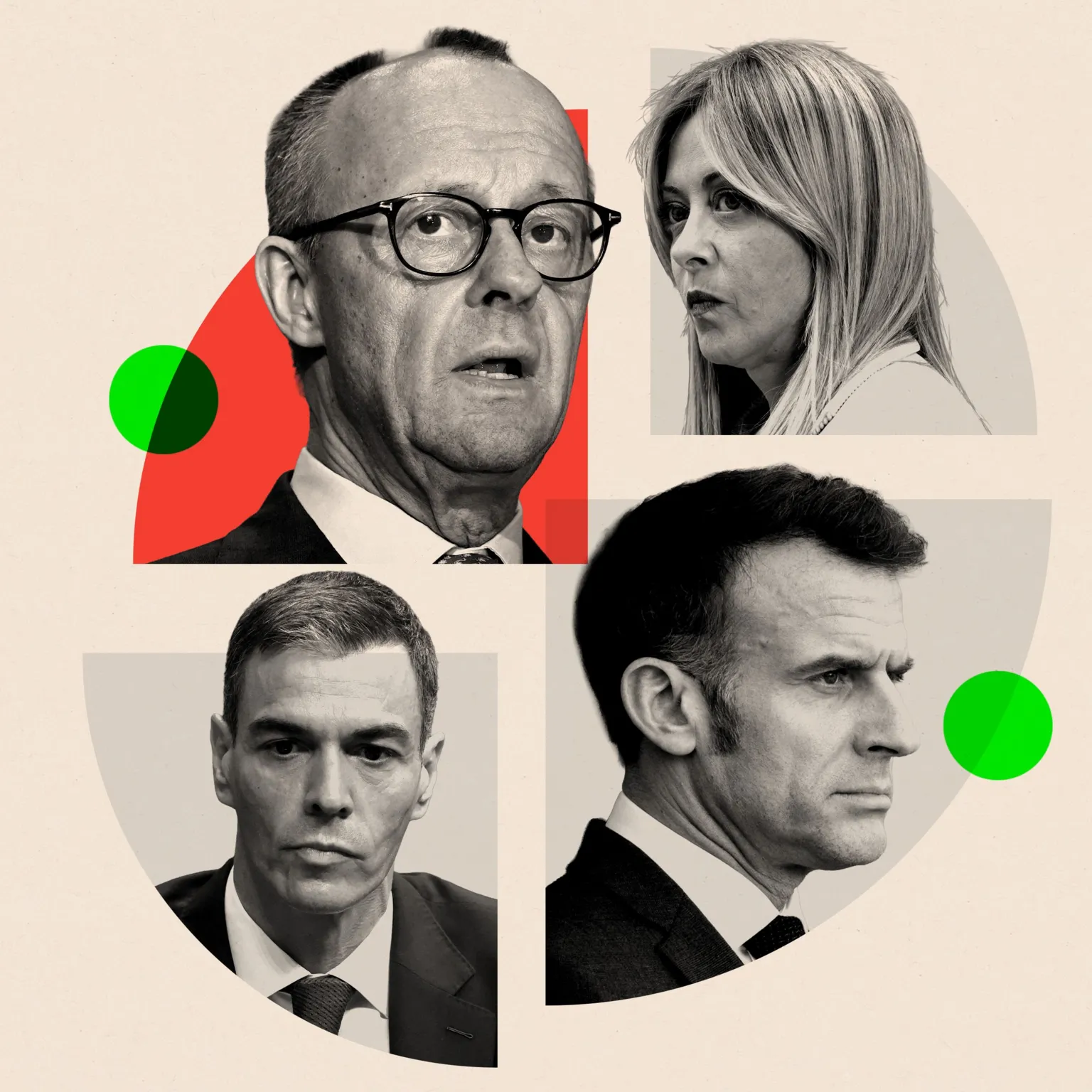
Europe’s difficulties in forging consensus on Iran underscore broader challenges in the continent’s security and foreign policy. As global power dynamics evolve, Europe must reconcile internal divisions and historical legacies to enhance its strategic autonomy. The tension between national interests and collective action remains a critical hurdle.
Without clear agreement on fundamental principles—such as the legality of military interventions and the balance between diplomacy and defense—Europe risks marginalization in future crises. Its ability to protect citizens, stabilize regional conflicts, and influence global affairs hinges on overcoming fragmentation and building more effective cooperation frameworks.
In this turbulent era, Europe’s leaders face a pivotal choice: deepen divisions or unite behind a shared vision of security, values, and global responsibility. The stakes have never been higher.