The Eurovision Song Contest 2026 officially launches this Sunday in Vienna, marking the event’s 70th anniversary with a grand “turquoise carpet” parade showcasing competitors from all 35 participating countries. Yet, despite the celebratory atmosphere, a fierce political dispute threatens to overshadow the festivities, as several nations boycott the contest over Israel’s participation.
What’s Happening at Eurovision 2026?
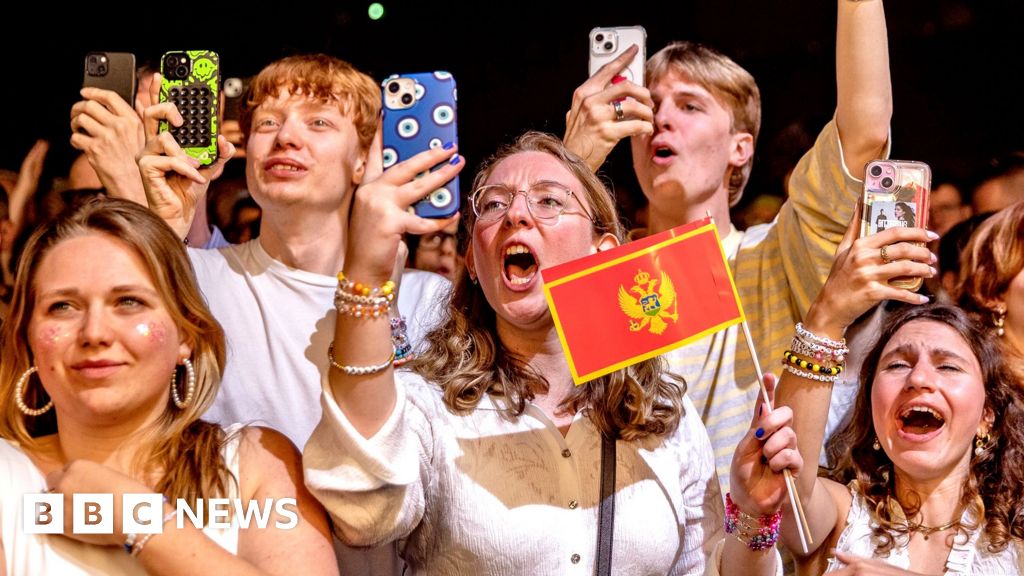
Eurovision 2026 is set to be a milestone edition of the world’s longest-running annual music competition. Artists from 35 countries have gathered in Vienna, Austria’s capital, to compete for the coveted title. The event traditionally features a vibrant opening parade where artists walk the “turquoise carpet,” greeting fans and media before the live shows begin.
However, this year’s contest faces unprecedented challenges. Five countries—Iceland, Ireland, the Netherlands, Slovenia, and Spain—have announced they will boycott the competition entirely. These withdrawals stem from objections to Israel’s involvement, which has ignited heated debates across Europe and beyond.
Why the Israel Boycott?
The boycott centers on Israel’s continued participation amid a deeply contentious political backdrop. Since October 2023, Israel has been engaged in a large-scale military operation in Gaza. This offensive followed a devastating attack by Hamas militants on October 7, 2023, which resulted in approximately 1,200 deaths and 251 hostages taken, according to Israeli authorities.
In retaliation, Israel launched a massive incursion into Gaza, where the conflict has exacted a tragic toll. The Hamas-led health authority in Gaza reports that over 72,600 people have died since the operation began. Although a ceasefire agreement has been in place since October 10, 2025, the humanitarian and political tensions remain highly charged.
The ongoing conflict has spilled over into the Eurovision community, with critics accusing the contest of implicitly endorsing Israel by allowing its participation. The boycotting countries argue that Israel’s involvement in Eurovision normalizes the military actions in Gaza and undermines calls for justice and peace.
Previous Eurovision Controversies and Security Concerns
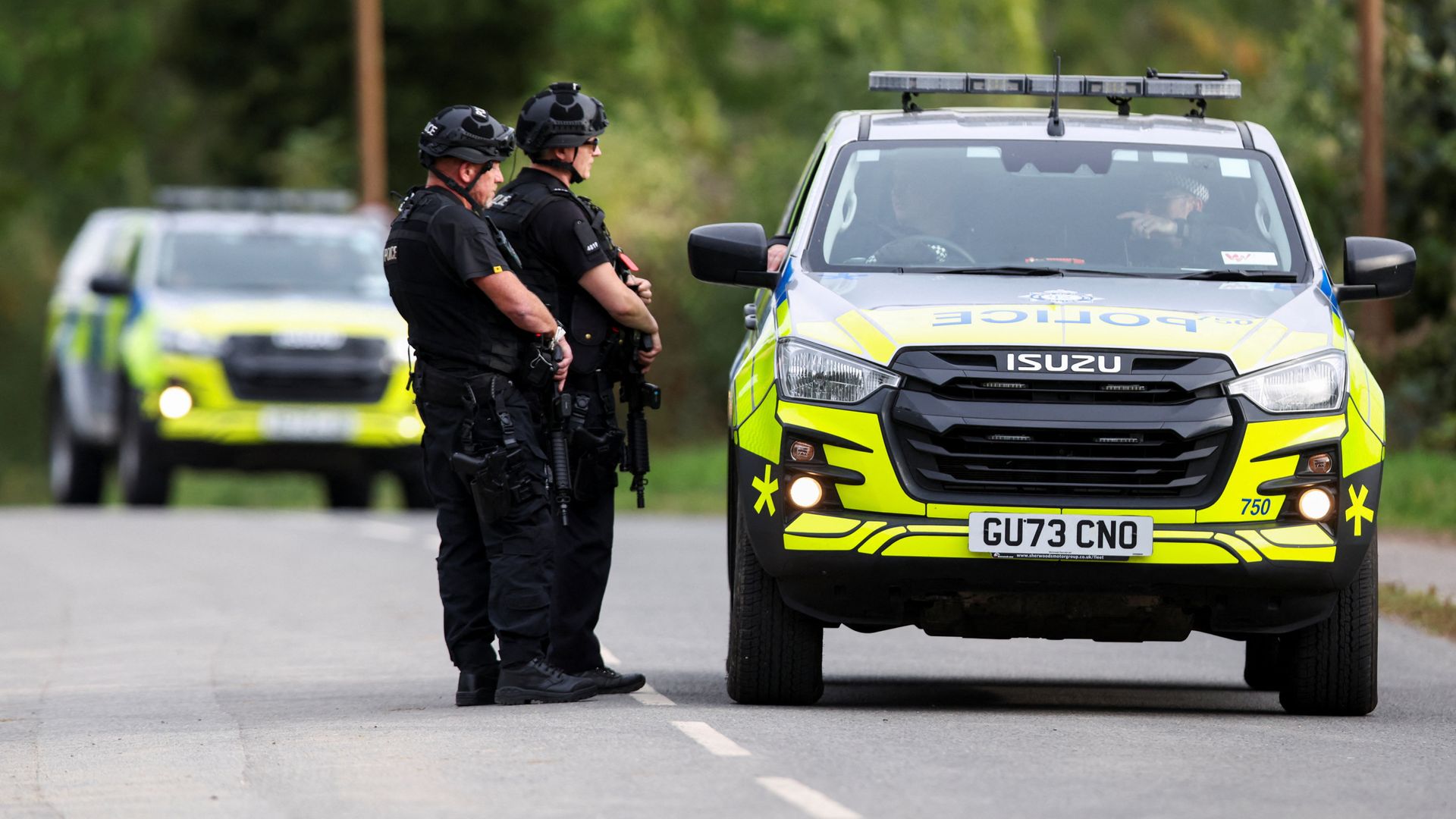
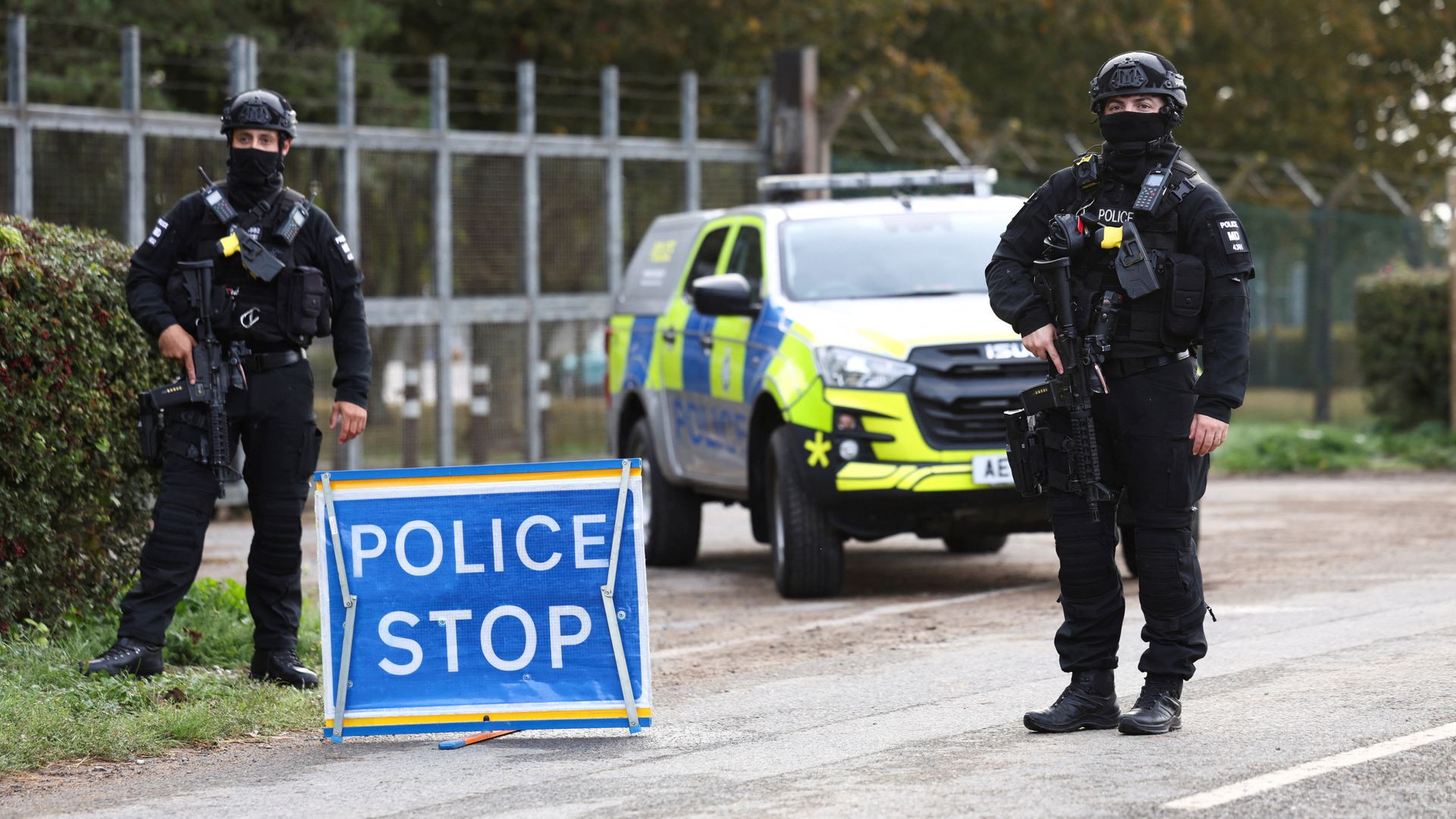
This is not the first time Eurovision has been rocked by political protests related to Israel’s presence. In the 2024 contest held in Malmö, Sweden, and the 2025 event in Basel, Switzerland, anti-Israel demonstrations filled the streets. Israel’s representatives required armed security details to ensure their safety during public appearances and performances.
One poignant example is Yuval Raphael, Israel’s 2025 contestant and a survivor of the October 7 attacks. Speaking to the BBC before her performance, Raphael revealed she had “practised being booed” during rehearsals, anticipating hostility from protesters. During the final live show, two demonstrators even attempted to storm the stage while she performed her song New Day Will Rise.
These incidents highlight the intense emotions and political divisions that Eurovision now contends with, challenging its traditional role as a unifying cultural event.
What This Means for Eurovision and Its Audience
The boycott and accompanying tensions raise important questions about Eurovision’s future as a global celebration of music and cultural exchange. The withdrawal of five countries reduces the diversity and reach of the contest, potentially disappointing fans and altering the competitive landscape.
Moreover, the controversy underscores how geopolitical conflicts can infiltrate even entertainment platforms, complicating efforts to keep politics separate from cultural events. Eurovision has long been praised for promoting unity, tolerance, and creativity across borders. Yet, in 2026, those ideals are being tested by real-world conflicts and the passionate responses they provoke.
For viewers and participants alike, Eurovision 2026 will be more than a music contest—it will be a reflection of the current global climate and a reminder of the powerful intersection between art and politics.
Looking Ahead
As the competition unfolds in Vienna, all eyes will be on how organizers manage security, navigate political sensitivities, and maintain the celebratory spirit of Eurovision. The outcomes of this year’s contest could influence how future events address such controversies and whether Eurovision can continue to serve as a platform for both artistic expression and international dialogue.
Ultimately, Eurovision 2026 stands at a crossroads, embodying the challenges and hopes of a world where music strives to bridge divides—even when those divides run deep.