The Eurovision Song Contest has long been celebrated as a unifying music event, free from political influence. Yet, recent controversies surrounding entries from Ukraine and Israel have ignited a fierce debate over whether geopolitics are now inseparable from the competition. As the contest grapples with questions of fairness, solidarity, and eligibility, the future of Eurovision could face profound changes.
Ukraine’s Historic Win and the Surge of Political Voting
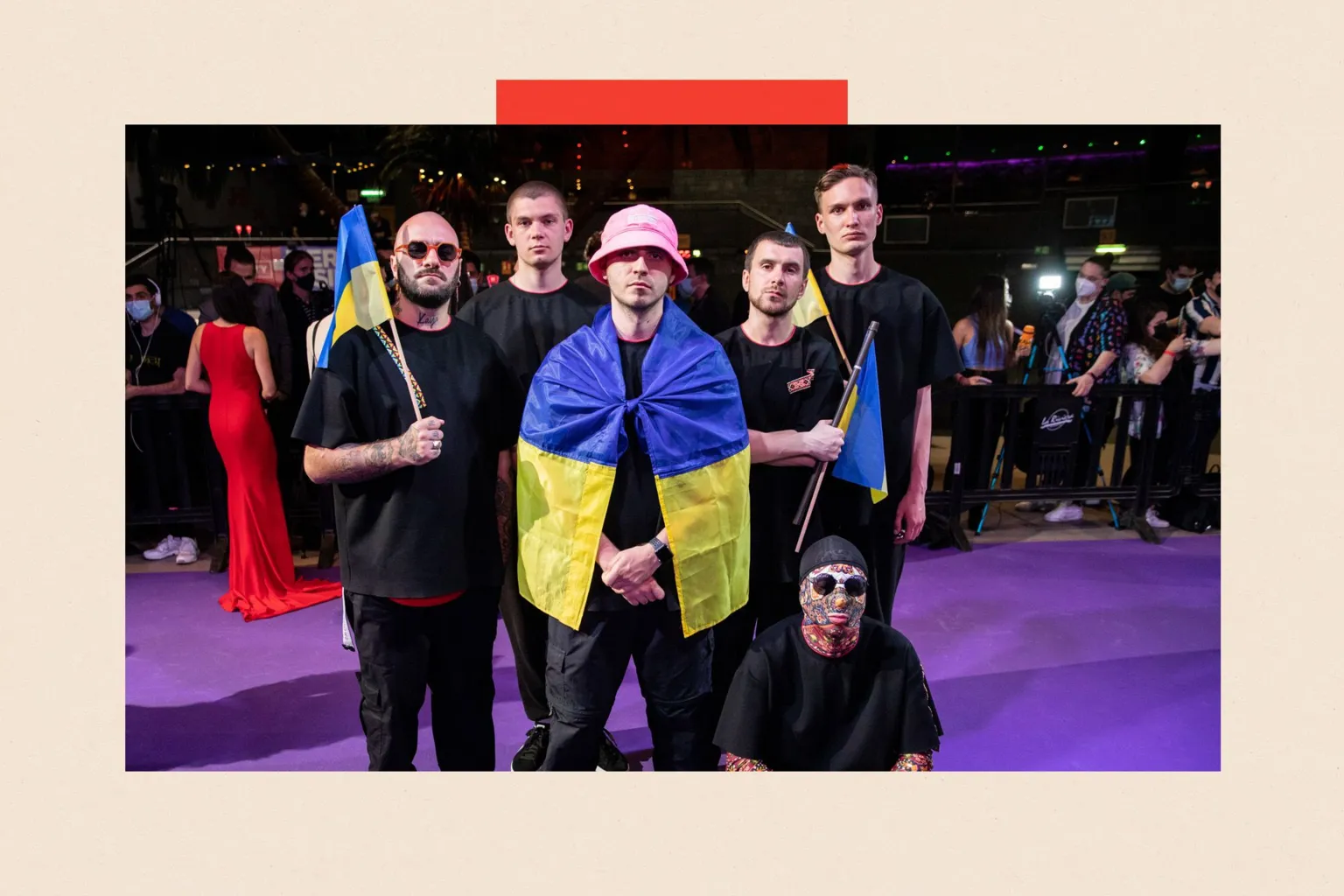
In 2022, the Ukrainian all-male group Kalush Orchestra made history by winning Eurovision with the highest number of public votes ever recorded. Their permission to leave Ukraine under martial law to perform on the international stage symbolized more than just a musical victory—it became a rallying point for global sympathy amid the ongoing war. This surge of support ultimately pushed the UK’s Sam Ryder into second place.

Eurovision officials confirmed that Ukraine’s entry fully complied with the contest’s rules, emphasizing the event’s commitment to being a non-political platform. However, not all broadcasters agreed with this stance. Slovenia’s RTV expressed concern that many voters cast their ballots more out of political solidarity than musical appreciation, potentially compromising the integrity of Eurovision as a pure song contest.

RTV’s director, Gorščak, criticized the politicization of voting, stating, “If you’re a victim, everybody would vote for you. To the performer from the UK who is great but then they are not chosen, why? Because there is a victimised representative of the victimised country.” He called for a serious debate on how artists from countries involved in conflicts, both aggressors and victims, should be treated in future contests.

Calls for Reform: Should Countries at War Compete?
Slovenia’s opposition to political voting echoes similar sentiments from other broadcasters, including Spain. At a parliamentary hearing earlier this year, RTVE’s chair José Pablo López urged a “serious debate” on reforming the European Broadcasting Union’s (EBU) rules to exclude countries involved in ongoing conflicts from participating in Eurovision. López emphasized the need to prevent the contest from becoming a battleground for political messaging.

Despite these calls, the EBU upheld the longstanding “70-year rule,” allowing any member country to participate regardless of political circumstances. This decision means both Israel and Ukraine remain eligible to send representatives, even as tensions escalate in their respective regions.
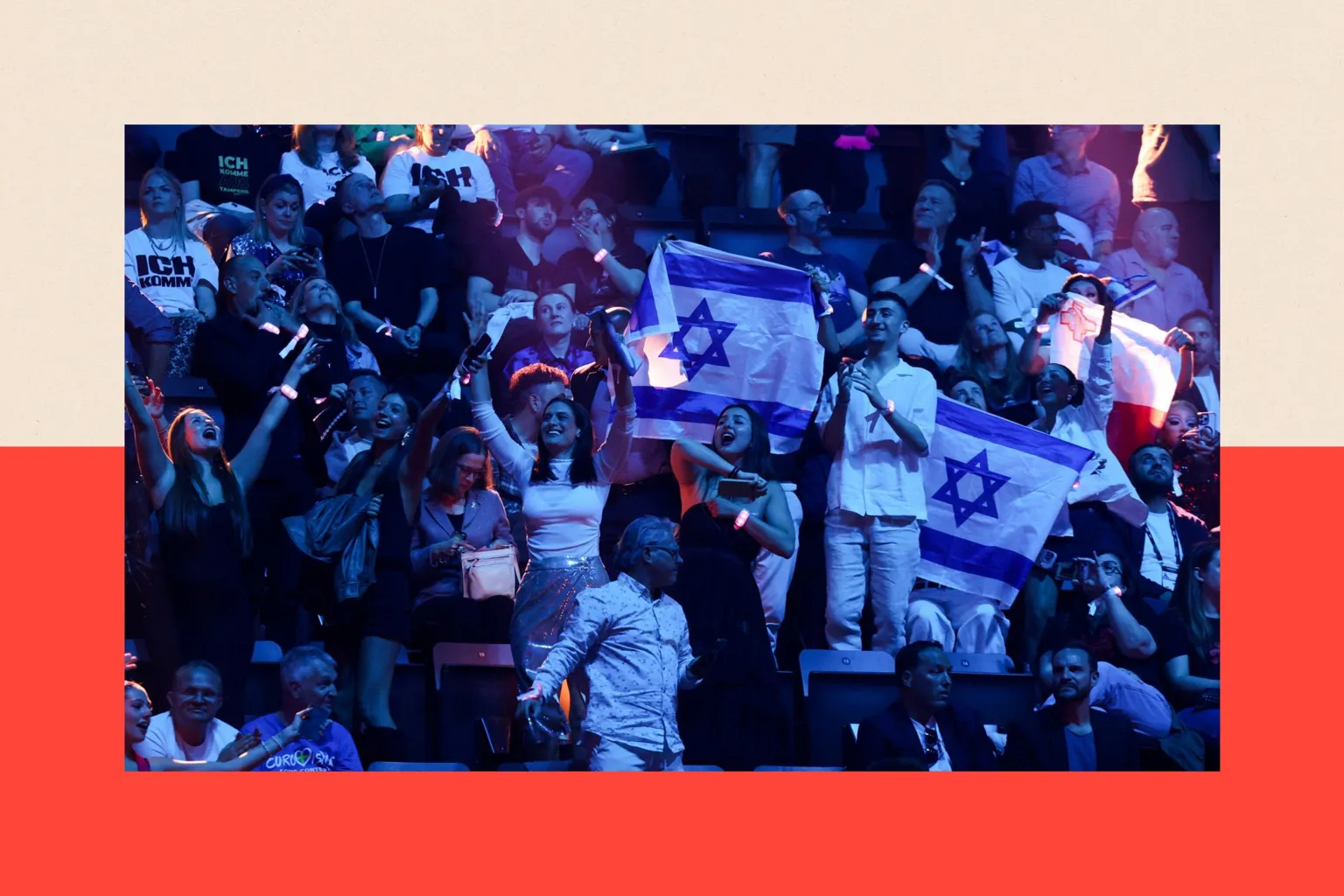
This policy has raised concerns among broadcasters who observe that supporters of both Ukraine and Israel reportedly vote en masse and repeatedly for their countries’ artists, potentially skewing the results. The debate now centers on whether Eurovision can maintain its commitment to neutrality or if political realities will inevitably influence voting patterns.

Why This Matters: The Future of Eurovision’s Identity
Eurovision has always branded itself as a celebration of cultural exchange and musical diversity, transcending political divides. However, the war in Ukraine and ongoing conflicts involving Israel have challenged this ideal. When audiences cast votes driven by sympathy or political allegiance rather than artistic merit, the competition risks losing its foundational purpose.
Moreover, allowing countries embroiled in conflict to participate without restrictions may inadvertently politicize the contest, undermining its reputation as a non-political event. The question broadcasters and fans alike face is whether Eurovision can uphold its principles or if it must adapt to a world where geopolitics inevitably infiltrate cultural spaces.
At stake is not only the fairness of the competition but also its global appeal. If Eurovision increasingly becomes viewed as a proxy for political conflicts, it may alienate viewers seeking entertainment and unity rather than division.
Looking Ahead: Navigating a Politicized Contest
The controversy surrounding Ukraine’s 2022 victory and Israel’s ongoing participation highlights the complex intersection of culture and conflict within Eurovision. As broadcasters push for reforms, the EBU faces pressure to reconsider its eligibility rules and voting procedures to preserve the contest’s integrity.
Potential reforms could include stricter guidelines on participation for countries in active conflicts or measures to limit bloc voting driven by political sympathies. However, any changes will spark intense debate about censorship, fairness, and the role of music as a platform for expression amid global crises.
Ultimately, Eurovision’s response to these challenges will define its identity for years to come. Balancing artistic celebration with geopolitical realities requires careful navigation to ensure the contest remains a beacon of inclusivity and joy, rather than a stage for political rivalry.
What this means for fans and participants is that Eurovision is entering a pivotal moment where the contest’s rules and values may evolve significantly. The decisions made now will determine whether Eurovision continues as a unifying cultural event or becomes a reflection of political divisions. The world is watching as this beloved music competition confronts its most consequential test.