

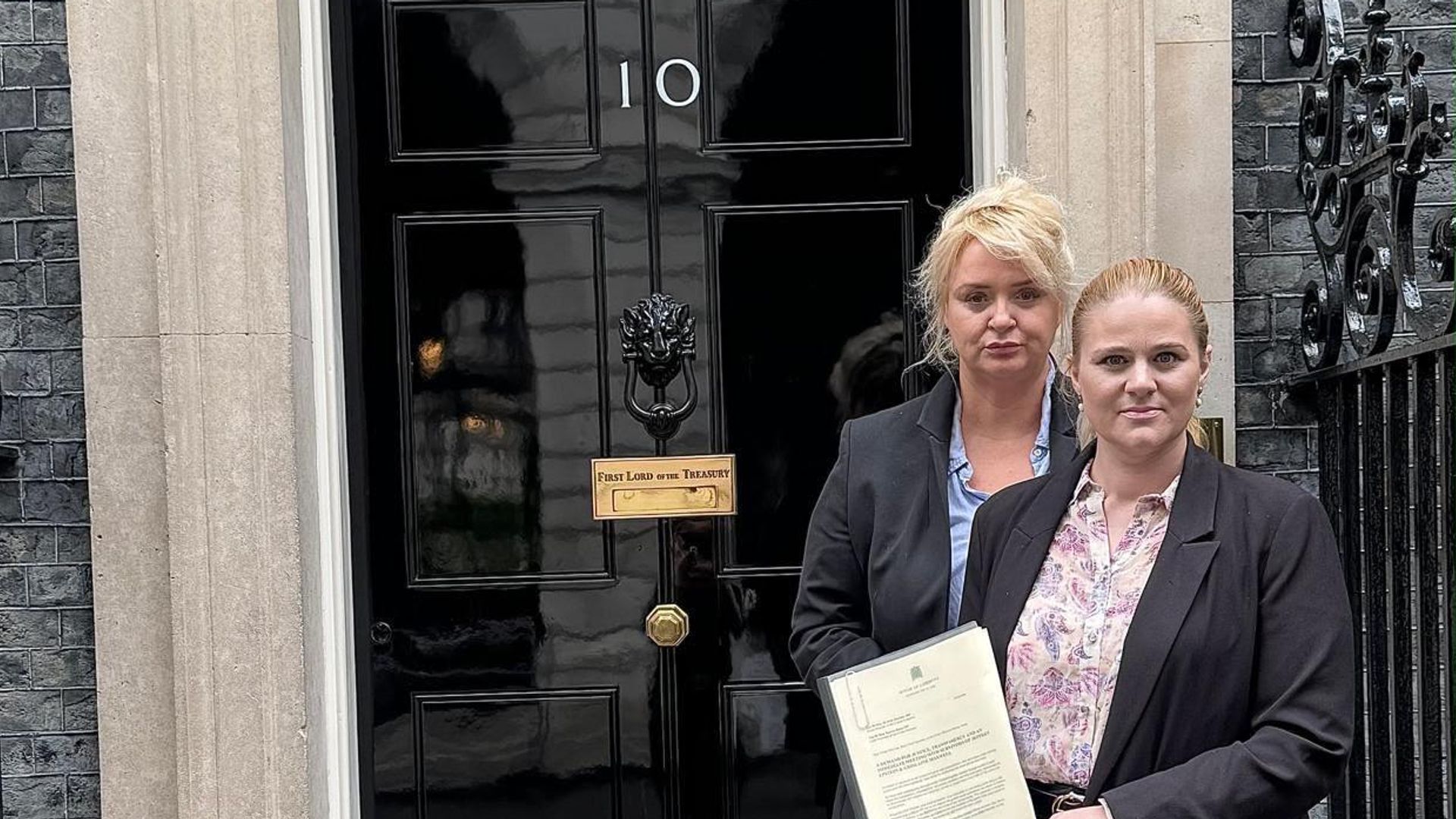
In a bold move demanding accountability and justice, a former victims minister has personally delivered a letter to Number 10 Downing Street, urging the Prime Minister to engage directly with survivors of Jeffrey Epstein‘s notorious abuse network. This call aims to bring much-needed attention to the voices of those affected by one of the most high-profile abuse cases of recent decades.
The Urgent Call for a Prime Ministerial Meeting
The letter, handed to the heart of the UK government, explicitly requests a face-to-face meeting between the Prime Minister and survivors who have endured unimaginable trauma due to Epstein’s exploitation. This unprecedented appeal highlights a growing public demand for political leaders to take active roles in acknowledging and addressing systemic failures in protecting abuse victims.
Jeffrey Epstein, a convicted sex offender with a global network of powerful connections, has been at the center of numerous investigations exposing extensive sexual abuse and trafficking of minors. Survivors have long sought justice not only through legal channels but also through public recognition and policy reform.
Why This Meeting Matters
Engagement from the highest level of government can signal a significant shift in how abuse survivors are heard and supported. The former victims minister behind this initiative has emphasized that direct communication with survivors is vital for understanding the depth of their experiences and the shortcomings of existing support systems.
Survivors often face barriers in accessing justice and psychological support, compounded by societal stigma and institutional reluctance. A meeting with the Prime Minister would provide a platform for survivors to share their stories, influencing policy decisions and potentially spurring legislative action aimed at improving protections for vulnerable individuals.
Context: The Legacy of Epstein’s Abuse and Political Responsibility
Jeffrey Epstein’s abuse scandal has global implications, involving numerous high-profile individuals and raising questions about the complicity of powerful figures. While Epstein died in custody in 2019, investigations into his network continue, and survivor advocacy remains critical in maintaining pressure for accountability.
The UK government, like many others, faces scrutiny over how it addresses the needs of abuse survivors. Previous ministers responsible for victims’ rights have often called for reforms to ensure that survivors receive justice and support. The current letter to Number 10 underscores the ongoing urgency and the need for top-level political engagement.
By inviting the Prime Minister to meet survivors, the former victims minister is pushing for leadership that not only acknowledges past failures but also commits to concrete action. This meeting could pave the way for enhanced victim support services, improved safeguarding policies, and a broader cultural shift in how abuse is addressed by authorities.
What This Means Moving Forward
The delivery of this letter marks a pivotal moment in the intersection of politics, justice, and survivor advocacy. Should the Prime Minister accept this invitation, it would demonstrate a willingness to prioritize survivor voices and integrate their needs into policy development.
For survivors of Jeffrey Epstein’s abuse, such recognition from the government could offer a sense of validation and hope for systemic change. Moreover, it underlines the importance of political leaders actively confronting uncomfortable truths to foster a safer, more just society.
As the public and media continue to focus on the Epstein scandal’s ramifications, government responsiveness will be a key measure of commitment to justice. The forthcoming response from Number 10 will be closely watched by survivors, advocacy groups, and the wider community.
In the broader context, this initiative exemplifies how survivor engagement at the highest levels can drive meaningful reform and ensure that abuse victims are not overlooked in the corridors of power.