

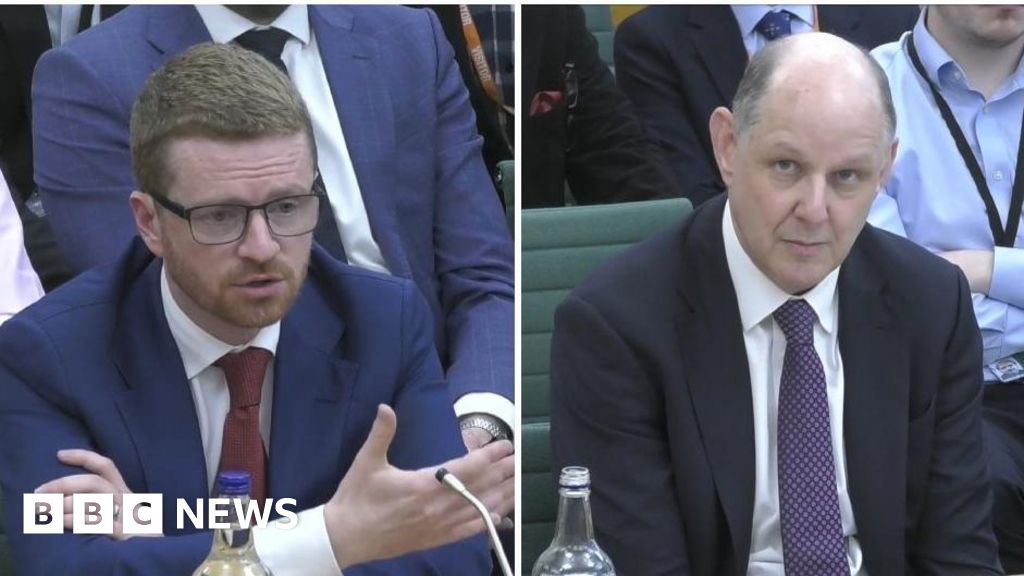
In a tense parliamentary hearing, former senior aide McSweeney faced probing questions about his role in the controversial appointment of Lord Peter Mandelson. The inquiry centered on whether McSweeney had adequately investigated Mandelson’s background before endorsing him for a high-profile position, especially in light of newly surfaced evidence linked to the Jeffrey Epstein scandal.
What Happened During the Hearing?
McSweeney admitted that he regrets not involving the Propriety and Ethics Team (PET)—a Cabinet Office unit responsible for advising on standards and propriety—when he initially vetted Lord Mandelson. PET’s role is to ensure appointments meet ethical standards, particularly when there are potential conflicts of interest or undisclosed issues.
When asked if it was appropriate to handle the vetting alone, given his long-standing relationship with Mandelson, McSweeney acknowledged, “I think that when I look back on it, I certainly think it would have been much, much better if I’d asked PET to ask those follow-up questions.”
McSweeney explained his original thinking: he believed that sending written follow-up questions directly to Mandelson would compel him to be truthful. “If a senior member of staff did that, that he would feel more obligated to give the truth and the full truth,” McSweeney said. He maintained that at the time, he trusted the responses he received.
However, the situation changed dramatically after the release of incriminating emails and photographs from the Epstein files in September of the previous year. McSweeney admitted, “That’s when it really dawned on me that I did not get the full truth from him.” This revelation cast doubt on the adequacy of the original vetting process and raised questions about Mandelson’s integrity.
Defending His Role: No Favoritism Toward Mandelson
During the session, some MPs insinuated that McSweeney had pushed for Mandelson’s appointment due to a personal connection, with suggestions that Mandelson acted as a mentor to him. McSweeney firmly rejected this notion.
He highlighted that throughout his political career, he had often declined to recommend friends or former associates for roles, even when it risked upsetting them. “I have frequently angered friends by turning them down from jobs,” he stated, emphasizing his commitment to impartiality and professional judgment.
This defense aims to underscore that the decision to back Mandelson was based on merit—or at least the information available at the time—rather than personal loyalty or favoritism.
Why This Matters: The Intersection of Ethics, Politics, and Public Trust
The hearing shines a spotlight on the challenges of vetting senior political appointments in an era where undisclosed personal conduct can derail public confidence. The involvement of Lord Mandelson, a veteran politician with decades of experience, in controversies tied to the Epstein scandal, raises critical questions about transparency and accountability.
McSweeney’s admission that he missed crucial red flags underscores the vital role of independent ethics oversight bodies like PET. Their involvement can provide an essential layer of scrutiny that personal relationships or internal assessments might overlook.
Moreover, the episode illustrates the broader risks when political appointees conceal damaging information. Such omissions can compromise the reputation of governments and erode public trust in institutions tasked with upholding standards.
Looking Ahead: Lessons for Future Appointments
As the investigation continues, the case serves as a cautionary tale for political offices worldwide. Ensuring that appointments undergo rigorous, transparent vetting processes is not just a procedural formality—it is necessary to safeguard ethical governance.
McSweeney’s reflections suggest a willingness to learn from past mistakes, potentially paving the way for stronger collaboration with ethics teams in future appointments. For the public and lawmakers, the incident reinforces demands for clear, enforceable standards that prevent conflicts of interest and undisclosed misconduct.
Ultimately, this episode highlights the importance of vigilance and accountability at all levels of government to preserve integrity and public confidence in democratic institutions.