

Peter Murrell, the former chief executive of the Scottish National Party (SNP), has confessed to misappropriating a staggering £400,310.65 from the party’s funds. This revelation has sent shockwaves through Scotland’s political landscape, raising serious questions about internal governance and financial oversight within one of the country’s most prominent political organizations.
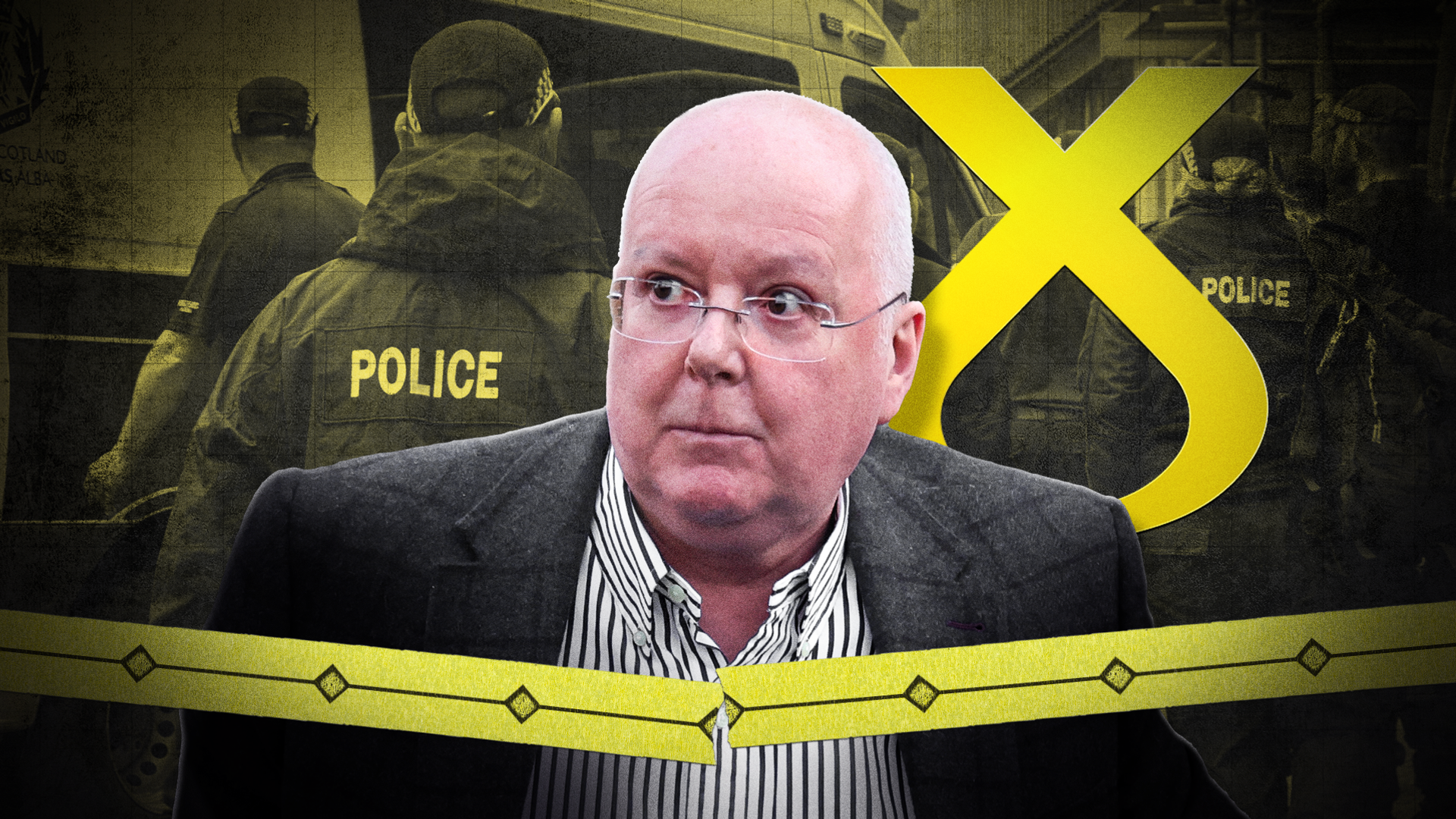
The Details Behind the Embezzlement
Murrell’s admission marks a dramatic development in an ongoing investigation into the SNP’s finances. Over several years, he systematically siphoned off more than £400,000, diverting party money into personal expenses rather than political campaigns or official activities. The exact timeline and methods of the embezzlement have not been fully detailed, but reports indicate that the funds were used for extravagant personal purchases.
Among the questionable expenditures reportedly made using the misappropriated money are luxury items and experiences far removed from typical party expenses. These include high-end video games, a motorhome, and notably, a coffee machine costing £3,200. Such purchases highlight a blatant misuse of funds intended for political purposes, underscoring the severity of the breach of trust.
Who Is Peter Murrell and Why Does This Matter?
Peter Murrell served as the SNP’s chief executive, a role that entrusted him with significant control over the party’s financial and operational functions. His tenure coincided with periods of crucial political activity, including the SNP’s push for Scottish independence and various election campaigns. The position demands the highest standards of integrity and transparency, making his actions particularly damaging.
The SNP has been a dominant force in Scottish politics, especially since the 2010s, advocating for independence and shaping Scotland’s relationship with the UK. Murrell’s embezzlement undermines the party’s credibility and could jeopardize public trust in its leadership and governance structures. For supporters and members, the scandal is a betrayal of both their political aspirations and financial contributions.
This case also raises wider concerns about accountability mechanisms within political parties. How such a significant sum could be diverted without detection points to potential weaknesses in internal audits and oversight procedures. It prompts calls for stricter financial controls and greater transparency to prevent similar abuses in the future.
What This Means for the SNP and Scottish Politics
The fallout from Murrell’s admission is likely to extend beyond the party’s immediate financial losses. The SNP faces a crisis of confidence as opponents and the public scrutinize its internal operations. This scandal could influence voter sentiment, especially ahead of key elections and ongoing debates over Scotland’s constitutional future.
The party will need to act decisively to restore trust. This may include implementing comprehensive financial reforms, conducting independent audits, and demonstrating a commitment to accountability at all levels. Political analysts suggest that how the SNP handles this scandal will shape its reputation for years to come.
Moreover, the incident serves as a cautionary tale for political organizations everywhere. It underscores the necessity of rigorous oversight and ethical leadership to safeguard public funds and maintain democratic integrity.
Looking Ahead: Rebuilding Trust and Ensuring Accountability
Peter Murrell’s admission of embezzlement represents a serious breach of trust with profound implications for the SNP and Scottish politics. Moving forward, the party must prioritize transparency and financial discipline to repair its image and reaffirm its commitment to the Scottish people.
For now, full details about the extent of the embezzlement and the ongoing investigation remain limited. However, the case highlights an urgent need for political parties nationwide to review and strengthen their financial governance frameworks.
As Scotland watches closely, the SNP’s response will be critical in determining whether it can overcome this scandal and continue to play a leading role in the country’s political future.