The 2026 FIFA World Cup is gearing up to be a spectacular event spanning multiple North American cities—but extreme heat poses a significant challenge for players and fans alike. Six host cities, including Miami, Houston, Dallas, Monterrey, Kansas City, and Atlanta, are at risk of experiencing dangerously high heat stress during afternoon matches. This could push the Wet Bulb Globe Temperature (WBGT) to 32°C (90°F) or higher, a threshold where the human body struggles to maintain safe core temperatures.
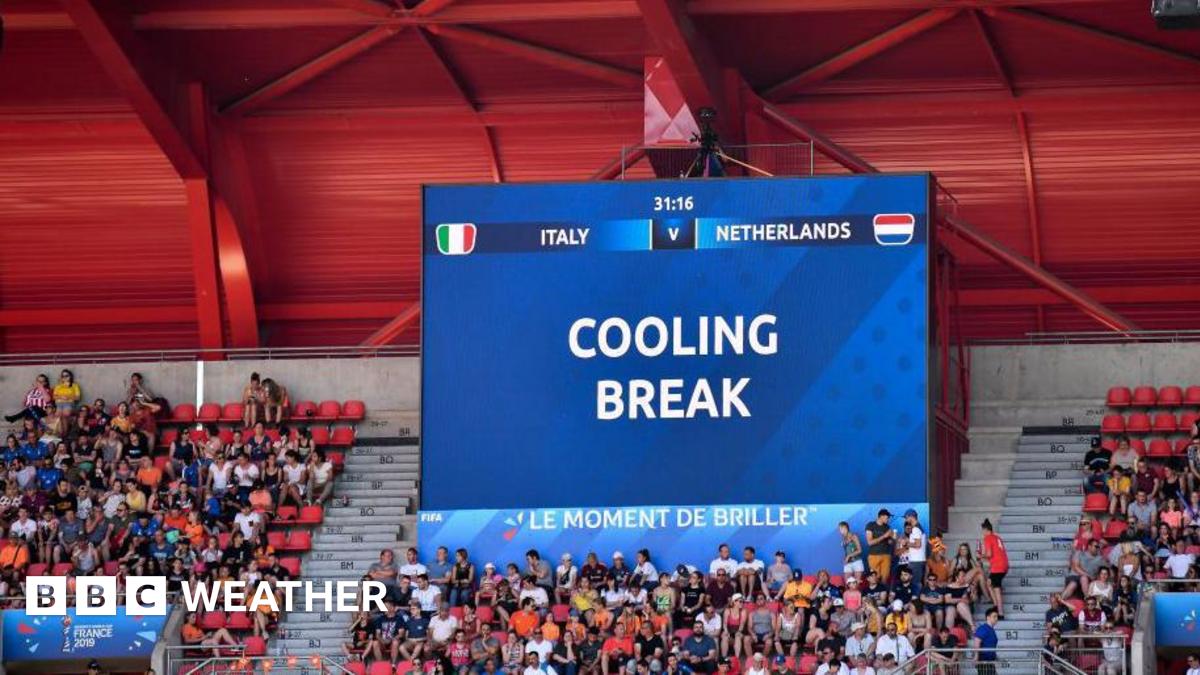
What Is WBGT and Why Does It Matter?
The Wet Bulb Globe Temperature (WBGT) is a critical metric used to assess heat stress by factoring in temperature, humidity, wind speed, and solar radiation. A WBGT of 32°C signals extreme heat stress conditions, meaning athletes face an increased risk of dehydration, heat exhaustion, and heatstroke. This is especially concerning in outdoor stadiums during peak afternoon hours when ambient temperatures soar.
For soccer players, exerting themselves in such conditions can be dangerous. The body’s natural cooling mechanisms, primarily sweating and heat dissipation through the skin, become less effective as heat intensifies. This not only affects player performance but also raises serious health and safety concerns for everyone on the pitch.
Host Cities’ Strategies to Combat Heat Stress
Recognizing the heat risks, tournament organizers are strategically scheduling matches to avoid the hottest hours. Most games will kick off in the late afternoon or evening when temperatures and solar radiation levels drop. For instance, Scotland’s Group C match against Brazil in Miami is set for 18:00 ET (23:00 BST), deliberately timed to minimize exposure to severe heat.
In addition to timing adjustments, some stadiums have invested in infrastructure to help moderate extreme conditions. Houston and Dallas stadiums feature retractable roofs and advanced climate control systems, providing a cooler environment that shields players and fans from direct sunlight and oppressive heat.
Heatwaves Amplify the Threat Across North America and Mexico
Summer heatwaves are a recurring phenomenon in many of the World Cup’s host regions. These events can push temperatures well above seasonal averages by 10°C (18°F) or more, dramatically increasing the risk of heat-related illness. For example, the 2026 World Cup final is scheduled for 19 July at 15:00 ET (20:00 BST) in New York, a city prone to intense summer heatwaves.
During a typical heatwave, New York could experience air temperatures in the mid-30s Celsius (mid-90s Fahrenheit) with a WBGT approaching 30°C (86°F). While slightly below the extreme 32°C threshold, these conditions still represent a serious heat stress risk, especially considering the physical demands of a World Cup final. Players, officials, and spectators must remain vigilant and prepared for the challenges posed by such conditions.
Why Managing Heat Risks Is Crucial for World Cup Success
The 2026 FIFA World Cup will be the largest ever held, with matches spread across three countries and 16 cities. This broad geographic scope means weather conditions will vary widely, but the common thread of extreme summer heat demands proactive measures.
Proper heat management is not just about comfort—it’s a matter of safety and fairness. Excessive heat can compromise athletic performance, increase injury risk, and even force medical emergencies on the field. For fans, enduring high temperatures without adequate shelter or hydration can lead to heat-related illnesses.
Organizers, stadium operators, teams, and medical staff must collaborate closely to implement heat mitigation strategies, including scheduling, venue design, hydration protocols, and real-time monitoring of weather conditions. These efforts will help ensure the tournament runs smoothly and safely, preserving the integrity of the sport while protecting everyone involved.
Looking Ahead: Preparing for Heat Challenges at World Cup 2026
As the tournament approaches, detailed weather forecasts and heat risk assessments will become essential tools for decision-makers. While infrastructure improvements and scheduling adjustments offer significant relief, the unpredictable nature of heatwaves necessitates ongoing vigilance.
Fans traveling to venues in high-risk cities should stay informed on weather conditions and follow guidance on hydration and sun protection. Meanwhile, teams will need to adapt their training and recovery strategies to cope with heat stress.
Ultimately, the 2026 World Cup presents an opportunity to showcase not only world-class soccer but also best practices in managing extreme weather conditions for major sporting events. With thoughtful preparation and coordinated efforts, the tournament can navigate the heat challenges and deliver a safe, thrilling experience for players and fans alike.