A failed asylum seeker was convicted for attempting a violent breach of the Israeli embassy in London, armed with two knives in a planned attack motivated by political revenge. The incident exposed serious security risks at a high-profile diplomatic site and highlighted the complexities surrounding immigration and terrorism cases in the UK.
What Happened at the Embassy
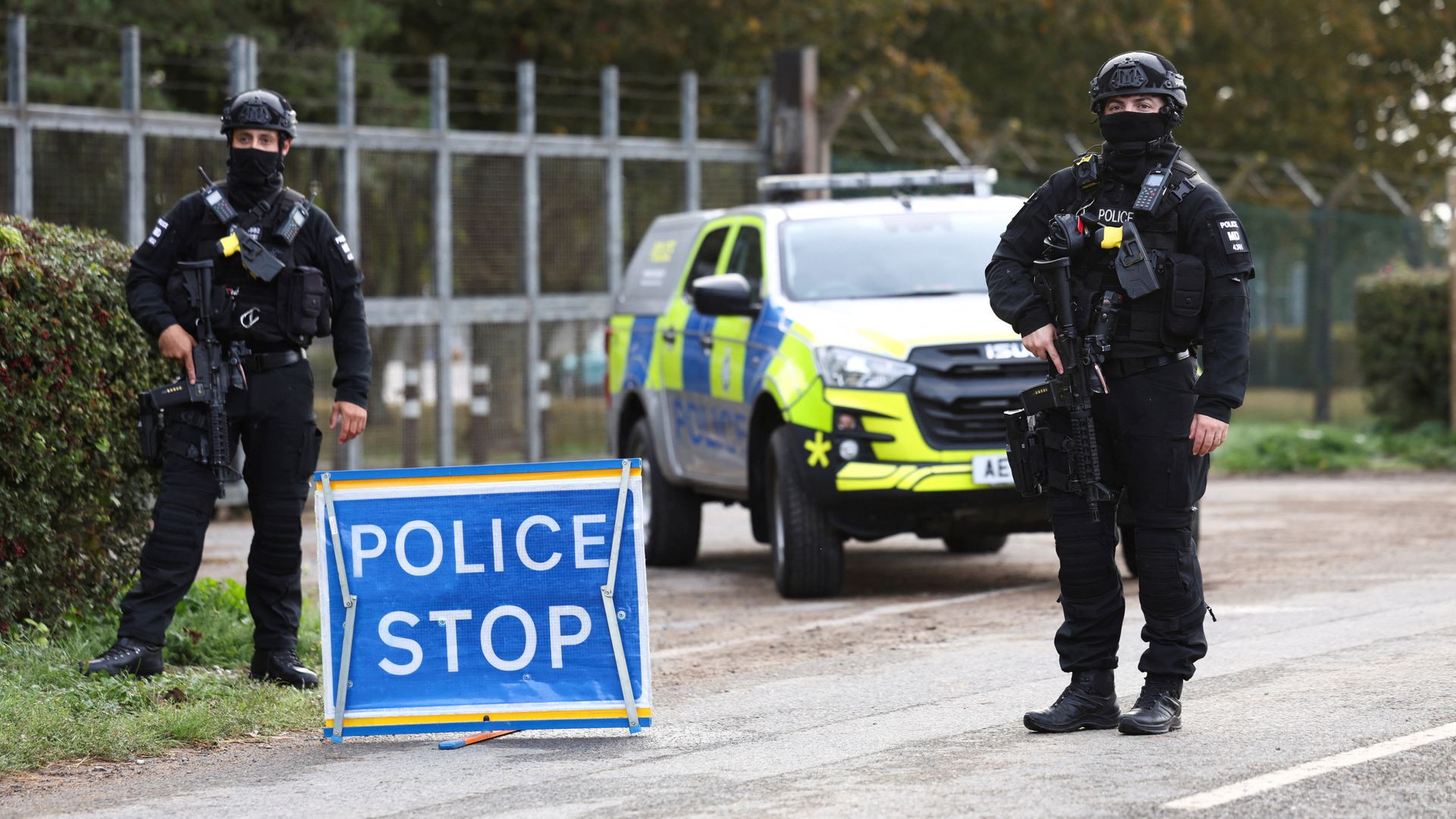
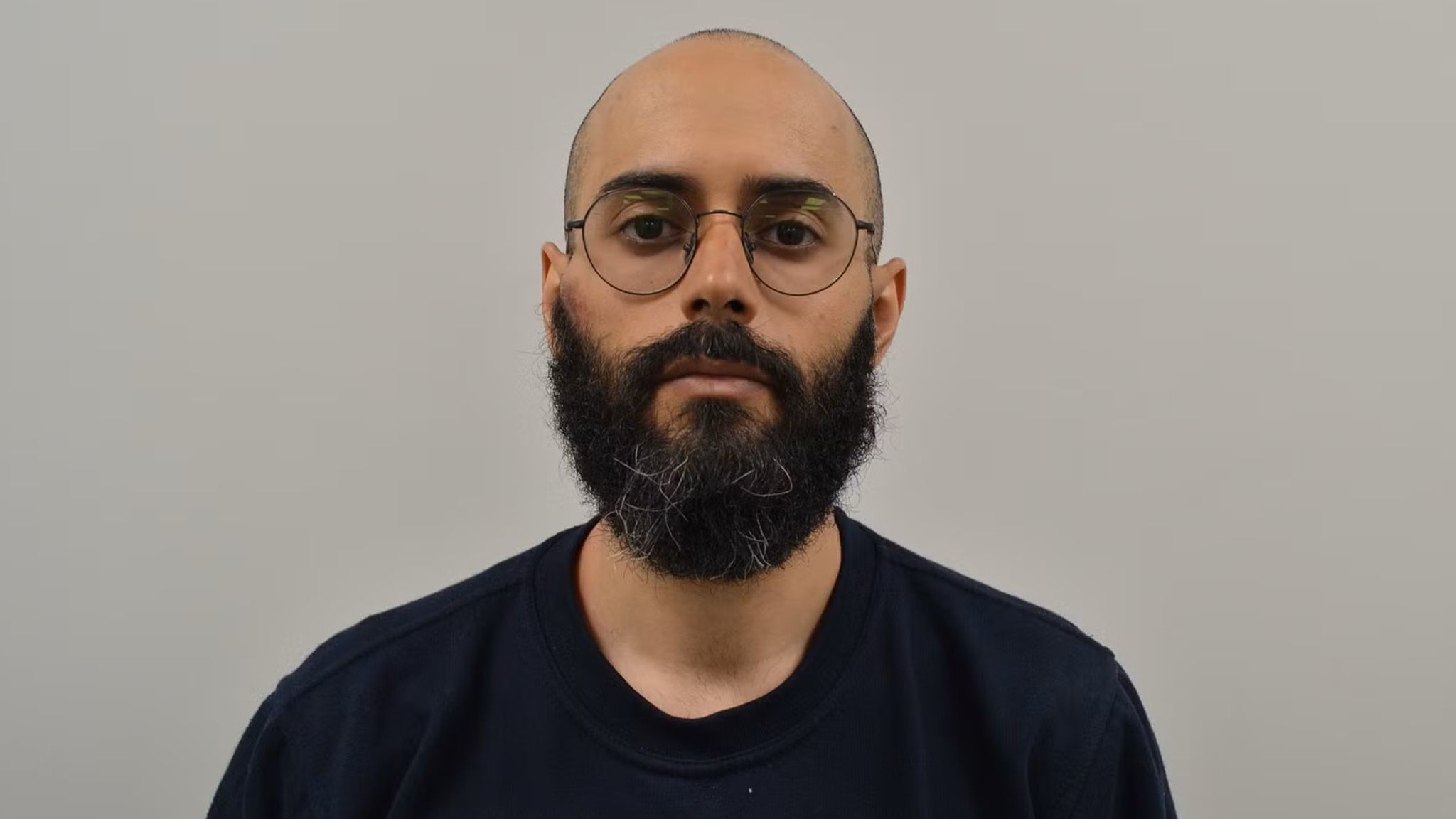
Abdullah Albadri, a 34-year-old man born in Kuwait, was caught trying to force his way into the Israeli embassy grounds in Kensington, west London, last May. Armed with two 10cm serrated knives, Albadri scaled the embassy’s 8-foot metal fence shortly before 6pm. His attempt was swiftly thwarted by armed diplomatic protection officers who tackled him to the ground and arrested him.
CCTV footage showed Albadri walking for about an hour from Kilburn to the embassy, his face obscured by dark sunglasses and a distinctive red and white headscarf. Upon reaching the embassy, he made a salute-like gesture before climbing the fence. Officers described the struggle to remove him from the fence as difficult, with Albadri clinging tightly until restrained.
Police body-worn camera footage captured Albadri admitting, “I got my weapons,” as officers searched him and found the knives along with a “martyrdom note” written on pieces of paper. When questioned, he expressed frustration, asking, “Why didn’t you let me in?” and stating his intention to “make a crime inside there.”
The Motive and Legal Proceedings
During the trial at the Old Bailey, which lasted several days and involved nearly 14 hours of jury deliberation, Albadri denied preparing an act of terrorism. He claimed the knives were for personal use as a homeless individual and insisted he never intended to harm anyone, describing violence as “against my nature.”
However, the prosecution presented evidence that Albadri’s actions were politically motivated. The defendant admitted his attempt was an act of revenge for the deaths of children in Gaza, referring to his actions as “just a message” to stop the war. His background as a member of the stateless Arabian Bedoon tribe and his history of campaigning for human rights in Kuwait were also highlighted, alongside his failed asylum applications after entering the UK twice by small boats in 2021 and April 2023.
Albadri’s defense lawyer, Chris Henry KC, argued that the defendant was in “a state of total despair” following the rejection of his asylum claim, portraying the incident as the desperate act of a man overwhelmed by personal and political turmoil.
Security and Political Implications
Following the verdict, Bethan David, head of the Crown Prosecution Service counter-terrorism division, emphasized the seriousness of the offense. She noted that Albadri had deliberately armed himself and concealed his identity, actions indicative of an intent to use violence to make a political statement. The conviction on charges of preparation of terrorist acts and possession of bladed weapons underscores the UK’s zero-tolerance approach to politically motivated violence and threats against diplomatic missions.
This case sheds light on the ongoing challenges faced by security services in protecting embassies and diplomatic personnel amid rising geopolitical tensions. It also raises questions about the intersection of immigration struggles, mental health crises, and the risk of radicalization among failed asylum seekers.
What This Means Moving Forward
The conviction of Abdullah Albadri sends a clear message about the UK’s commitment to safeguarding its diplomatic sites and deterring terrorism. It also highlights the urgent need for comprehensive support systems for asylum seekers, particularly those who face statelessness and persecution in their home countries. Addressing the root causes of such desperate acts requires coordinated efforts involving immigration policy, mental health services, and counterterrorism strategies.
As geopolitical conflicts continue to reverberate globally, cases like this underscore the complex human stories behind headline-grabbing attacks. Understanding and mitigating these risks remain critical for public safety and the integrity of international diplomacy in London and beyond.