

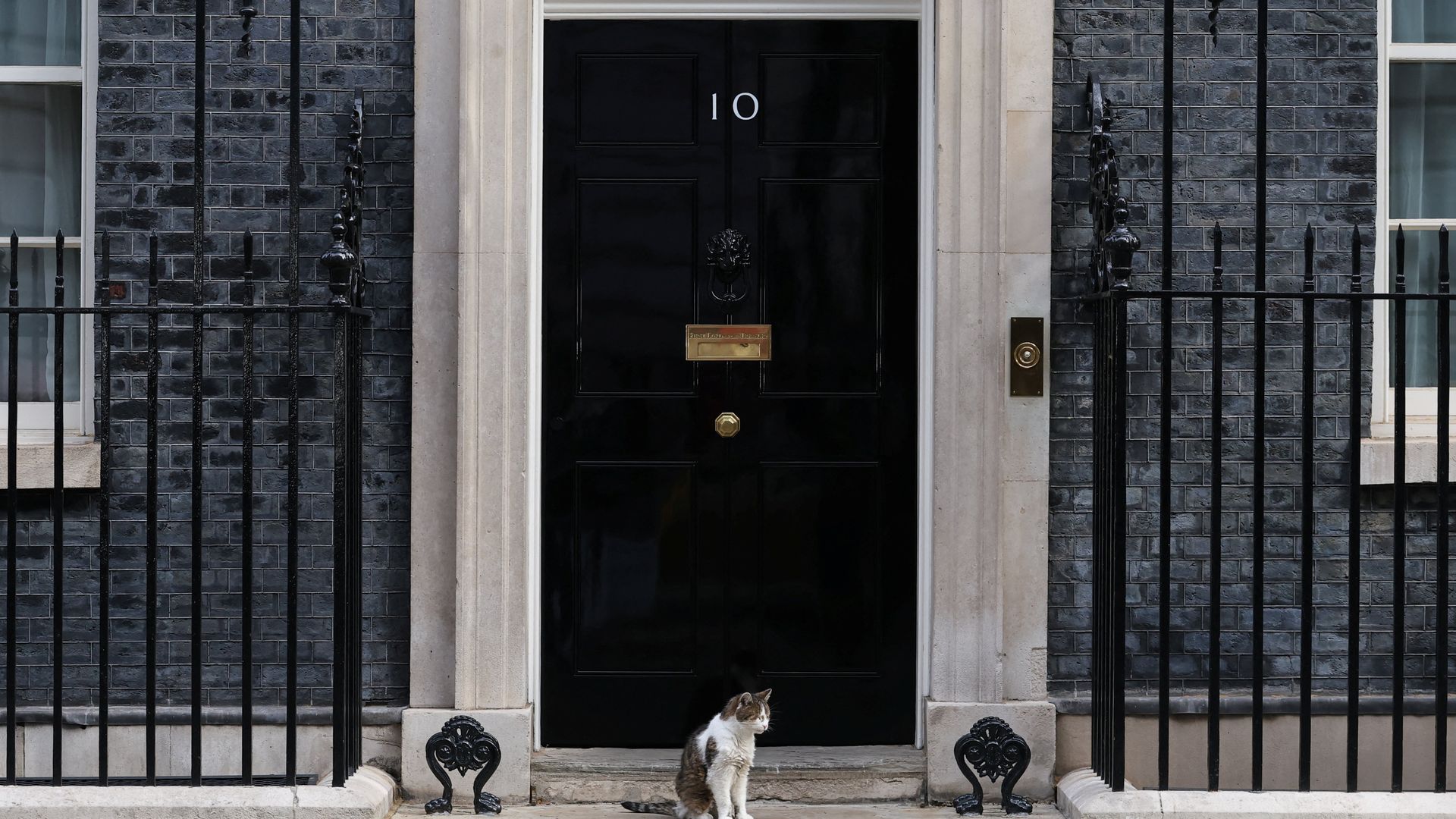
In a startling revelation, a fake accommodation listing for 10 Downing Street—the official residence and office of the British Prime Minister—was created and published on Booking.com. This incident, uncovered by a consumer watchdog’s investigation, highlights significant security vulnerabilities on one of the world’s largest travel booking platforms.
How the Fake Listing Was Created and Exposed
The bogus listing for 10 Downing Street, a location synonymous with the heart of the United Kingdom’s government, was uploaded without any apparent verification or security checks. The consumer watchdog, conducting a routine probe into the integrity of online rental platforms, managed to post the listing and draw attention to the glaring oversight.
This fraudulent entry allowed users browsing Booking.com to stumble upon what seemed to be a legitimate rental opportunity at an address that is not only a historic landmark but also a highly secured government site. The ease with which such a sensitive location was listed raises questions about how thoroughly Booking.com vets its listings, especially those that could pose national security risks.
Booking.com, known for hosting millions of properties worldwide, relies heavily on automated systems and third-party data. However, this incident reveals critical gaps in its verification process, which allowed a high-profile and impossible-to-rent location to appear as a legitimate accommodation option.
Why This Security Breach Matters
The ability to create a fake listing for 10 Downing Street is more than just an embarrassing oversight—it exposes potential threats to public safety and government security. 10 Downing Street is not just a tourist attraction; it is a working government building with stringent security measures to protect the Prime Minister and other officials.
A fraudulent listing could be exploited for nefarious purposes, including misleading the public, facilitating scams, or even assisting malicious actors in gathering intelligence. The incident underscores the responsibility of online platforms to implement rigorous verification protocols, especially for high-profile and sensitive properties.
Moreover, the episode undermines consumer trust in online booking platforms. Travelers rely on Booking.com and similar sites to provide accurate and safe accommodation options. When such glaring errors occur, it shakes confidence in the platform’s reliability and commitment to user security.
What This Means for Booking.com and Online Rental Platforms
Following the exposure of the fake 10 Downing Street listing, Booking.com faces increased pressure to tighten its security and verification systems. The company must enhance its screening processes to prevent unauthorized or impossible listings, particularly for locations of national importance or public interest.
Industry-wide, this case serves as a wake-up call about the vulnerabilities in online accommodation marketplaces. With the rise of peer-to-peer rental platforms and growing consumer dependence on digital booking services, ensuring the authenticity and safety of listings is paramount.
Platforms must invest in advanced verification technologies, including artificial intelligence and manual reviews, to detect and block fraudulent entries promptly. Collaboration with government agencies and local authorities could also help flag sensitive locations and prevent their listings from appearing online.
For consumers, this incident highlights the importance of exercising caution when booking accommodations online. Verifying the legitimacy of listings, especially those that seem unusual or too good to be true, remains a critical step in avoiding scams or unsafe situations.
Looking Ahead: Protecting Users and National Security
The fake 10 Downing Street listing incident shines a spotlight on the intersection of technology, consumer protection, and national security. Online platforms like Booking.com must balance convenience and scale with robust safety measures to protect users and sensitive sites.
As Booking.com reviews and upgrades its security protocols, travelers and watchdogs alike will be watching closely. The hope is that this exposure leads to stronger safeguards that prevent similar breaches in the future, reinforcing trust in online travel services while safeguarding critical government locations.
Ultimately, this episode is a reminder that in the digital age, vigilance and accountability are essential—not only for securing user data but also for protecting the very landmarks that symbolize a nation’s governance and stability.