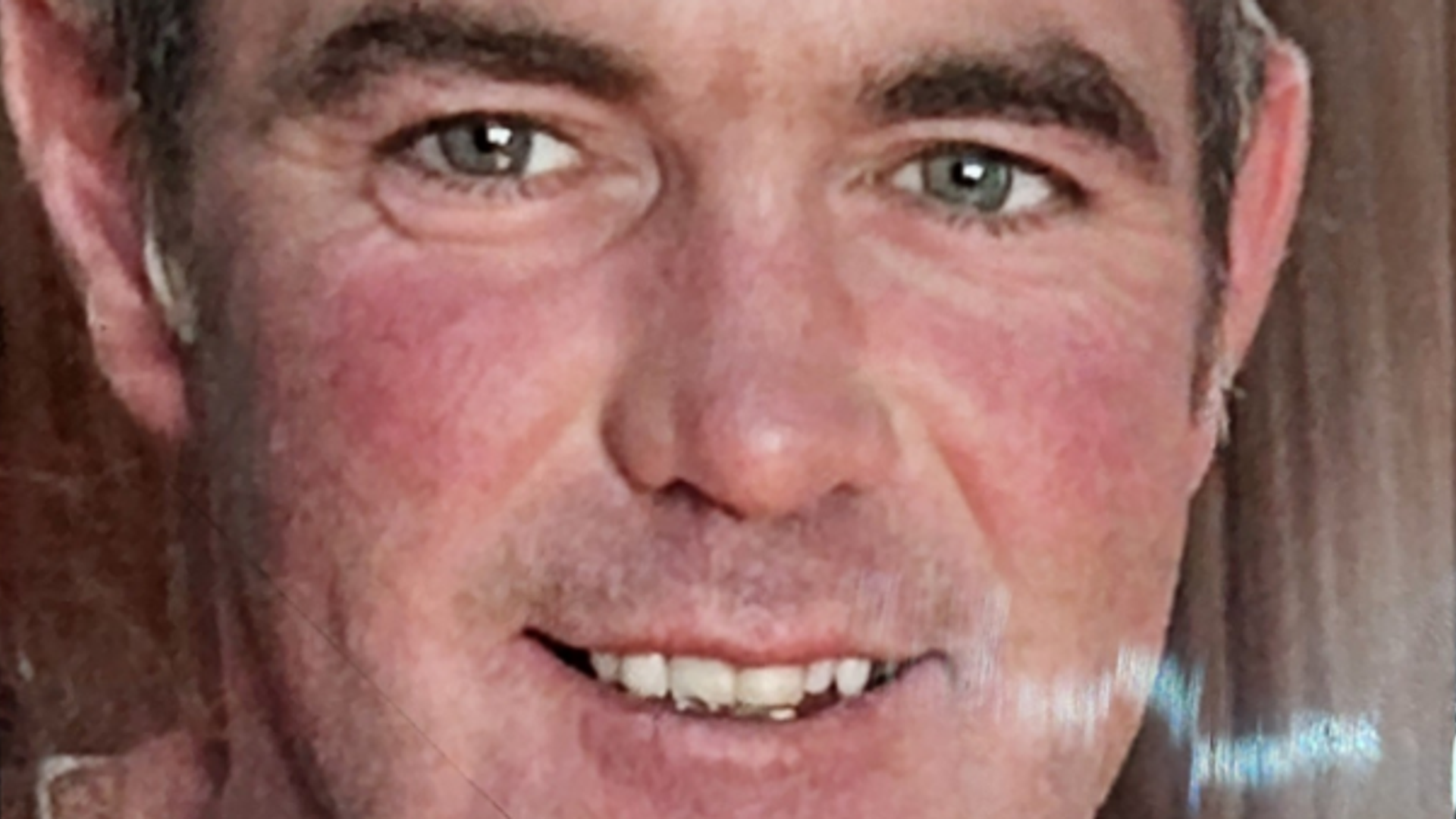
The tragic death of William Chapman, who was fatally attacked by a tiger, has sparked serious concerns from his family regarding the mental health care he received prior to the incident. At a recent inquest, relatives highlighted troubling issues about his interactions with mental health services, prompting wider questions about the adequacy of support systems for vulnerable individuals.
Details of the Incident and the Inquest
William Chapman’s death shocked the community and raised urgent safety and welfare questions. The incident, involving a tiger attack, was both sudden and fatal, instantly ending William’s life. The inquest into the circumstances surrounding his death has since examined not only the immediate events but also the factors that may have contributed to this tragedy.
During the inquest, family members voiced their distress and dissatisfaction with the mental health support William received before the attack. They expressed concerns about whether there were missed opportunities for intervention or adequate care, emphasizing that his mental health needs might not have been fully addressed.
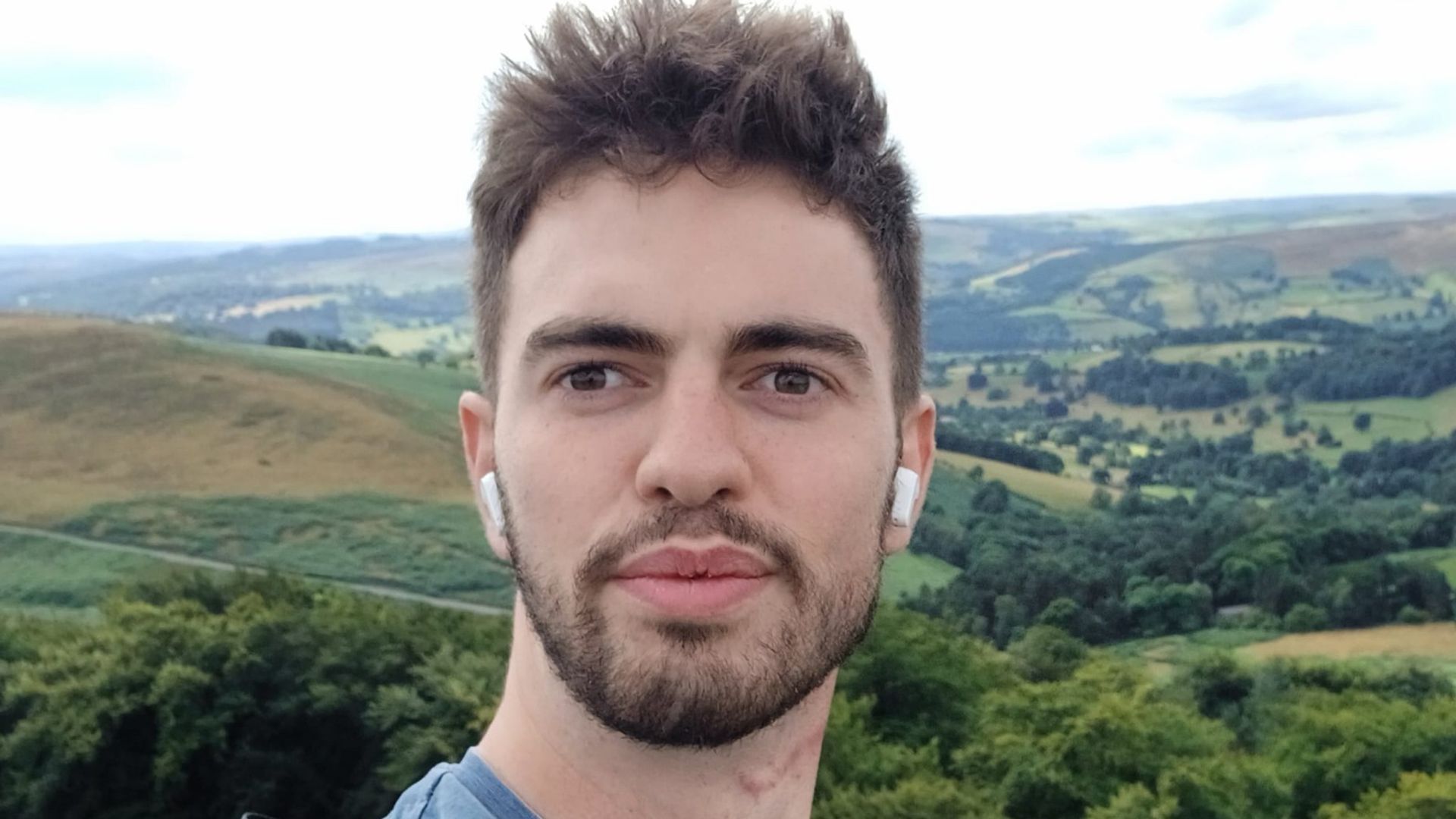
The family’s testimony painted a picture of a man who struggled with mental health challenges but potentially fell through the cracks of the healthcare system. Their statements suggest that better monitoring and more comprehensive support could have altered the course of events, possibly preventing the fatal encounter.
Why Mental Health Services Matter in Such Tragedies
Mental health services play a pivotal role in safeguarding individuals who may be at risk of harm to themselves or others. In cases like William Chapman’s, where mental health issues intersect with dangerous situations involving animals or other hazards, the importance of timely and effective intervention becomes even more critical.
Experts agree that understanding the full scope of a person’s mental health history and ensuring continuous care can significantly reduce the risk of tragic outcomes. The inquest’s focus on William’s interaction with mental health providers underscores systemic challenges that may exist in recognizing and responding to urgent mental health needs.
The family’s concerns bring to light the often-complex relationship between mental health services and public safety. When mental health support is insufficient or fragmented, vulnerable individuals may not receive the help required to manage their conditions, which can escalate into dangerous situations.
What This Means for Mental Health Care and Public Safety
William Chapman’s case serves as a stark reminder of the critical need for robust mental health care frameworks that prioritize early intervention, consistent monitoring, and effective communication between care providers. It also highlights the necessity of specialized protocols when dealing with individuals who have access to potentially dangerous environments or animals.
Improving mental health services is not just about individual well-being but also about protecting communities. This tragic event illustrates how gaps in care can have far-reaching consequences beyond the individual, affecting families, service providers, and the wider public.
Authorities and mental health professionals may need to reassess current practices to ensure at-risk individuals do not slip through the system. Enhanced training, improved risk assessments, and stronger collaboration between agencies could be vital steps toward preventing similar tragedies.
Looking Ahead: Lessons from William Chapman’s Tragedy
The inquest into William Chapman’s death has opened a crucial dialogue on mental health service provision and its impact on safety. While the full details of the case continue to unfold, one clear takeaway is the urgent need to address shortcomings in mental health care, especially for those facing complex challenges.
William’s family’s courage in raising these concerns may serve as a catalyst for change, encouraging policymakers and healthcare providers to strengthen support systems. Enhancing mental health services not only honors William’s memory but also strives to protect others who might find themselves in similarly vulnerable situations.
As the investigation progresses, stakeholders will watch closely for recommendations that could improve care standards and prevent future tragedies involving mental health crises and hazardous circumstances.