

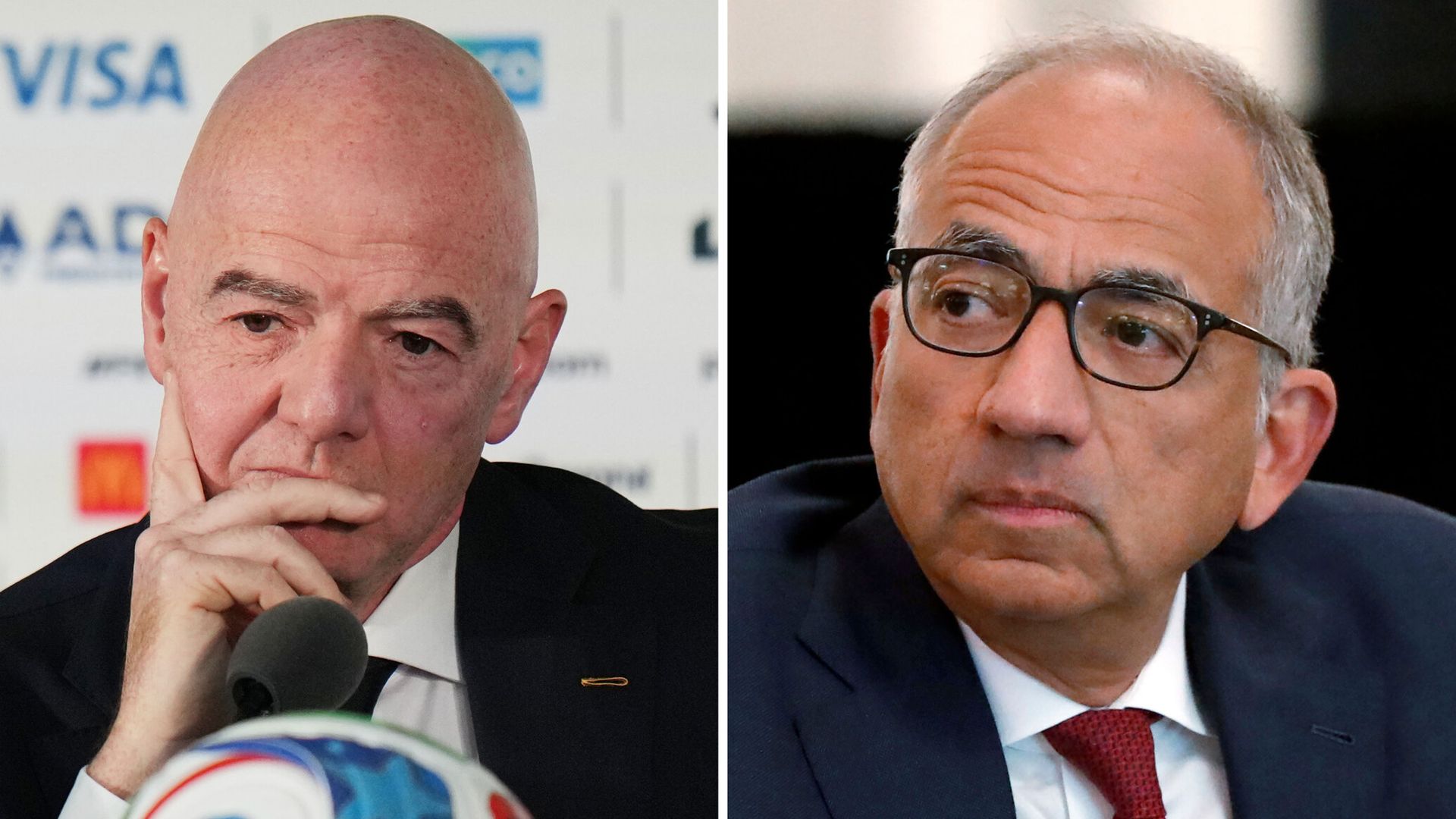
Gianni Infantino’s senior adviser has dramatically resigned, publicly denouncing the FIFA president’s plan to sell stakes in the World Cup as a dangerous and shortsighted move that threatens the sport’s integrity. The adviser has urged the global football community to unite against what he calls a reckless “bad deal” that could jeopardize football’s future.
What Sparked the Resignation?
The adviser, who was among Infantino’s closest confidants, stepped down due to profound disagreements over FIFA’s recent strategy to monetize the World Cup by selling ownership stakes. This initiative marks a significant shift in FIFA’s traditional control over its flagship tournament. The adviser believes this approach risks commodifying the event in ways that could undermine its global appeal and cultural significance.
He revealed exclusively that the decision to pivot towards external investments was made without adequately weighing the long-term consequences for the sport. Instead, it prioritizes short-term financial gain over preserving the World Cup’s heritage and ensuring equitable benefits for all stakeholders, including fans, players, and member associations.
Why Does This Matter for Football?
The World Cup is more than just a tournament; it represents the pinnacle of international football and a unifying spectacle watched by billions worldwide. FIFA’s plan to sell stakes essentially hands over partial control of this global event to private investors. Critics warn this could shift priorities from sporting excellence and fair competition toward profit maximization.
Such a move could lead to increased commercial influence on scheduling, hosting rights, and broadcasting, potentially alienating fans and smaller footballing nations. The adviser’s resignation serves as a stark warning that the sport’s governance may be veering away from its core values in pursuit of financial deals.
FIFA has historically maintained tight authority over the World Cup’s organization, ensuring that decisions align with football’s broader interests. Introducing external shareholders could dilute this authority, complicate governance, and spark conflicts of interest that may prove detrimental to the World Cup’s global stature.
What This Means Going Forward
The adviser’s public protest has amplified scrutiny on Infantino’s leadership and FIFA’s commercial ambitions. It raises urgent questions about transparency, accountability, and the true beneficiaries of such deals. Football’s global ecosystem, from grassroots to elite levels, depends heavily on the World Cup’s success and accessibility.
For stakeholders—ranging from national federations to fans and sponsors—this controversy highlights the need to reassess how football’s most prestigious event is managed and financed. The adviser’s call to action implores the international community to demand responsible stewardship that protects football’s heritage while ensuring sustainable growth.
Moreover, the resignation could catalyze broader debates within FIFA’s governance structures, potentially influencing future policies on commercial partnerships and tournament management. It signals internal dissent and may inspire other insiders or external observers to voice concerns about FIFA’s strategic direction.
Looking Ahead: Protecting Football’s Legacy
The adviser’s departure underscores a critical crossroads for FIFA and the global football community. As the governing body explores new financial models, it must balance innovation with safeguarding the sport’s cultural and competitive integrity. The World Cup’s legacy depends on this balance.
Fans and football institutions worldwide should remain vigilant and engaged in these developments. The future of the beautiful game hinges on decisions made today about ownership, control, and commercialization. Ensuring that football remains a unifying force rather than a commercial commodity is paramount.
In sum, the resignation of Infantino’s senior adviser is a clarion call to protect football’s soul amid rapid change. The world must heed this warning and participate actively in shaping a sustainable, inclusive future for the World Cup and the sport at large.