

With less than five weeks until the tournament kicks off, FIFA has dramatically increased the cost of the best available tickets for the 2026 World Cup final, igniting controversy among fans and politicians alike. The price for prime seats at the championship match, set to take place at New Jersey’s MetLife Stadium, has surged to nearly £24,200—more than triple the previous cost.
Explosive Price Hike for Final and Key Matches
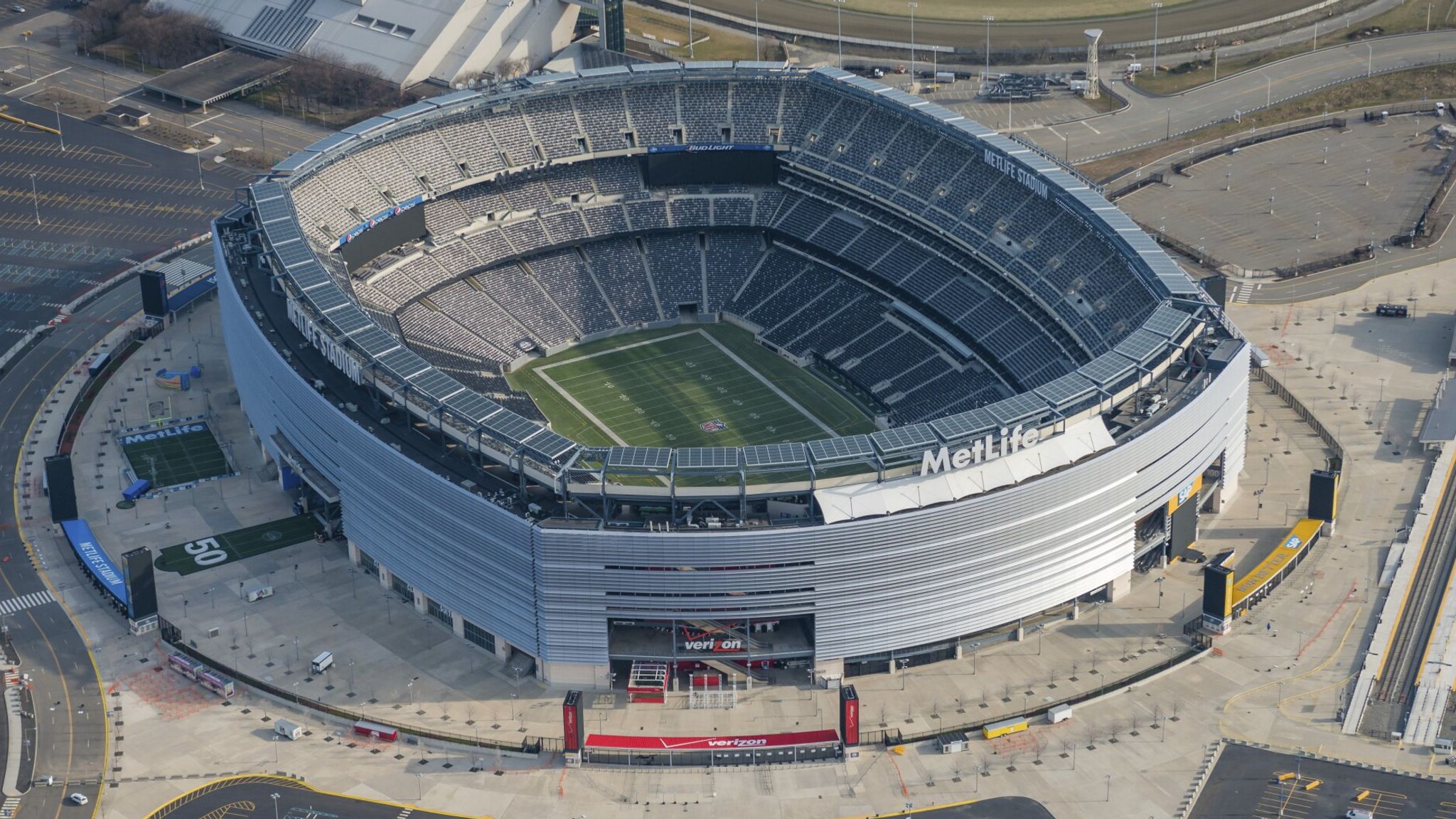
On Thursday, FIFA listed front-category one tickets for the final at MetLife Stadium in East Rutherford, New Jersey, at a staggering $32,970 (£24,176). Previously, these premium seats were priced at $10,990 (£8,000). Now, that lower price applies only to wheelchair and easy-access sections, effectively pricing out many fans from the best seats.
The final is the climax of a tournament co-hosted by the United States, Canada, and Mexico, with MetLife Stadium serving as the venue for the championship showdown. This stadium is the home ground for the NFL’s New York Giants and New York Jets, highlighting its significance as a major sports venue.
Ticket prices for other critical stages of the tournament reflect a similar steep scale. The first semi-final at the AT&T Stadium in Arlington, Texas, is priced between $11,130 (£8,164) and $2,705 (£1,984), while the other semi-final at Atlanta’s Mercedes-Benz Stadium ranges from $10,635 (£7,801) to $2,725 (£1,999).
The US national team’s group stage matches see comparatively lower top-end prices. For example, the highest ticket price for the USA’s final group game against Turkey is $2,970 (£2,179), with other games such as the match against Australia priced slightly lower.
Why FIFA Says Prices Are So High
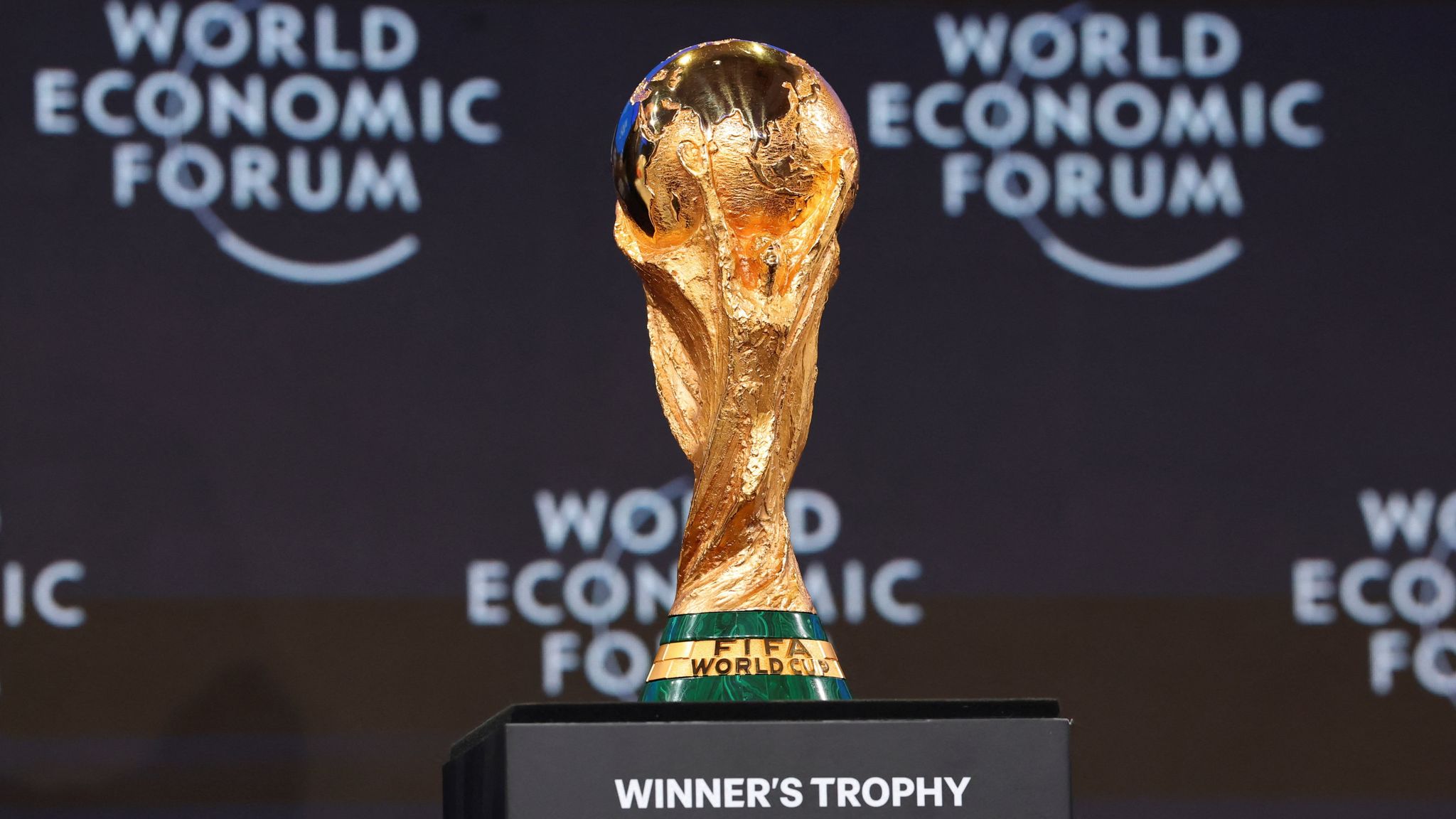
FIFA President Gianni Infantino defended the pricing strategy during remarks at the Milken Institute Global Conference in Beverly Hills, California. He emphasized that FIFA operates in a highly developed entertainment market where market rates must apply.
Infantino pointed out that in the US, ticket resale is legal and widespread, meaning that if FIFA set prices too low, tickets would quickly be resold at even higher prices on secondary markets. He argued that FIFA’s pricing is a way to control the market and prevent exorbitant resale markups.
He added that despite criticism over the initial prices, tickets often appear on resale platforms at more than double FIFA’s official price. To illustrate the ticket market frenzy, Infantino joked about a resale listing for the final priced at over $2 million, saying he would provide a hot dog and a Coke to anyone willing to pay that amount to ensure a memorable experience.
Infantino also compared World Cup ticket prices to those of other popular American sports, citing that college football games regularly cost around $300 (£220), suggesting that the World Cup’s pricing is aligned with high-profile sporting events.
Political Pushback and Fan Frustration
The sharp increase in ticket prices has drawn criticism from US lawmakers. Representatives Frank Pallone and Nellie Pou, both from New Jersey, sent a letter to Infantino expressing concern over FIFA’s ticketing practices. They alleged that tickets are being withheld strategically to create a false sense of scarcity, which pressures fans to buy quickly and allows FIFA to manipulate prices through staggered releases.
This criticism highlights broader anxieties about accessibility and fairness for fans hoping to attend the tournament. The World Cup is a global event that carries significant cultural and economic weight, and the affordability of tickets is key to ensuring broad fan participation.
What This Means for Fans and the Tournament
The tripling of ticket prices for the World Cup final underscores the tension between FIFA’s commercial interests and the fan experience. While FIFA maintains that prices reflect market realities and efforts to curb secondary market profiteering, the soaring costs risk alienating everyday supporters who have long celebrated the World Cup as a unifying event.
As the tournament approaches, ticket availability and pricing will remain under scrutiny. Fans planning to attend matches, particularly the final in New Jersey, face tough decisions about affordability amid these unprecedented price surges.
For now, the full details on ticket distribution and any potential adjustments remain to be seen. What is clear is that the 2026 World Cup’s ticket pricing strategy marks a significant shift in how one of the world’s biggest sporting events approaches access and revenue.