

A significant fire erupted at Arthur’s Seat, the iconic volcanic hill overlooking Edinburgh, on Sunday, prompting an immediate and robust response from local firefighting teams. The blaze has posed challenges due to the area’s rugged terrain and the ecological sensitivity of the site, underscoring the urgency of swift containment efforts.
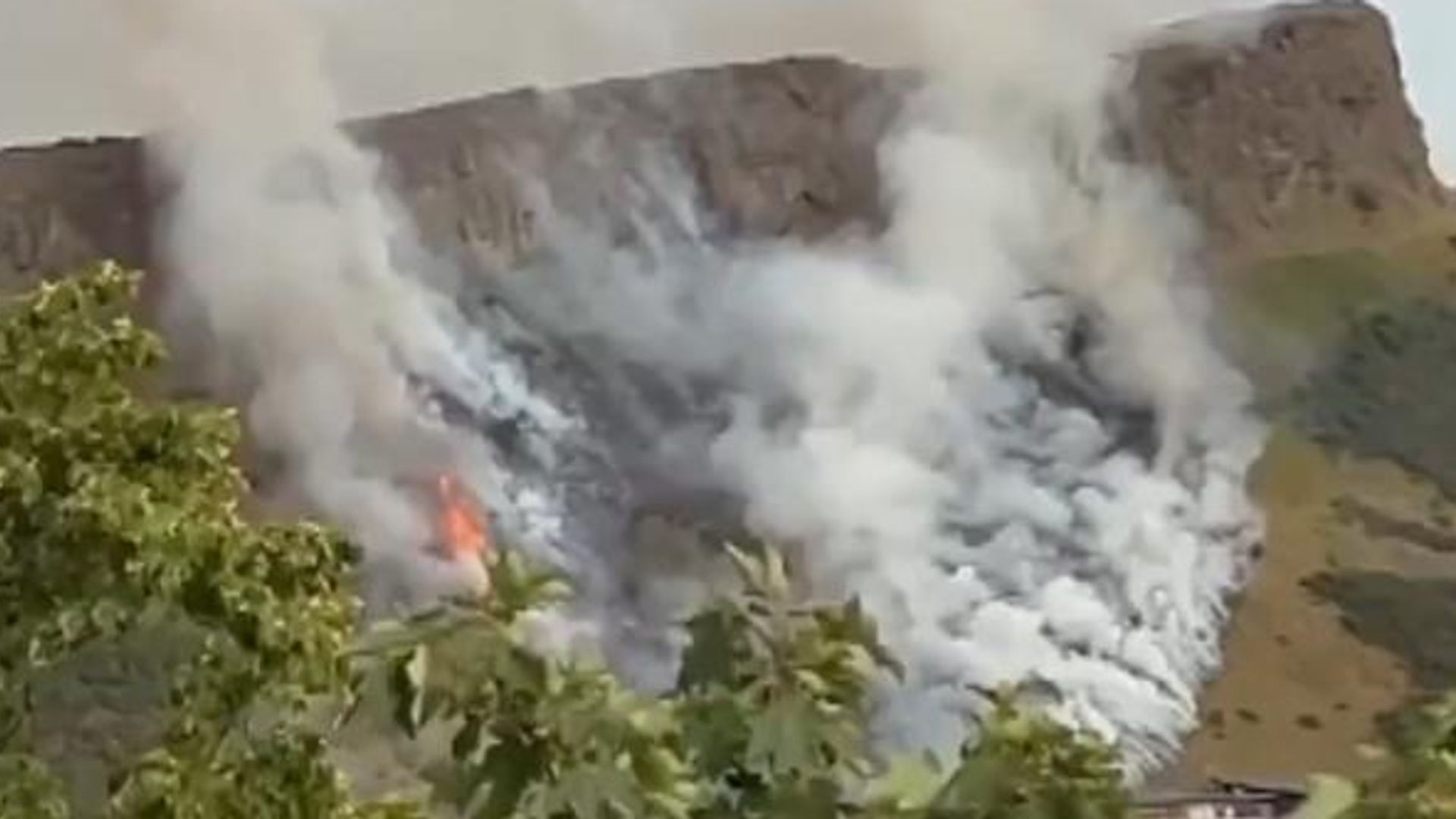
The Incident: What Happened at Arthur’s Seat?
On Sunday, flames broke out in the grassy and shrub-covered slopes of Arthur’s Seat, a popular natural landmark that attracts residents and tourists alike. Fire crews rushed to the scene as smoke billowed visibly across Edinburgh’s skyline, raising concerns among local authorities and visitors. The cause of the fire has not yet been confirmed, but the dry weather conditions typical for this time of year may have contributed to the rapid spread.
Arthur’s Seat, part of Holyrood Park, is not only a cherished recreational spot but also an important habitat for native wildlife. The fire’s timing and location have amplified worries about potential damage to both the environment and public safety.
Firefighting Efforts and Community Impact
Firefighters deployed extensive resources to combat the blaze, utilizing both ground crews and specialized equipment to access the hill’s steep and uneven areas. The operation required careful coordination to navigate the challenging landscape while prioritizing the protection of nearby residential neighborhoods and park visitors.
Emergency services advised the public to avoid the area, citing risks from smoke inhalation and the possibility of the fire spreading further. This advisory affected local foot traffic and disrupted some scheduled outdoor activities around Holyrood Park.
Authorities have also been monitoring air quality in the vicinity, as smoke from hill fires can pose health hazards, particularly to vulnerable populations such as children, the elderly, and individuals with respiratory conditions.
Why This Fire Matters: Environmental and Public Safety Concerns
Arthur’s Seat holds significant ecological and cultural value for Edinburgh. Beyond its role as a recreational destination, it supports diverse plant species and wildlife habitats sensitive to fire damage. Fires in such natural areas can lead to long-term ecological consequences, including soil erosion, loss of vegetation, and disruption of animal populations.
Moreover, this incident highlights the increasing risk of wildfires in urban-adjacent natural sites, exacerbated by climate change and prolonged dry spells. The event serves as a critical reminder of the need for vigilant fire prevention strategies, public awareness, and emergency preparedness in city parks and natural reserves.
Local government and park authorities are expected to review fire safety protocols and consider enhanced measures to protect Arthur’s Seat and similar green spaces moving forward.
Looking Ahead: Recovery and Prevention
In the aftermath of the fire, focus will shift toward assessing the extent of environmental damage and initiating recovery efforts. Restoration of affected vegetation and habitats will be essential to preserve the hill’s biodiversity and maintain its status as a natural landmark.
Community engagement will also play a vital role in preventing future fires. Awareness campaigns about fire risks, responsible behavior in outdoor settings, and reporting suspicious activities can help reduce the likelihood of similar incidents.
As firefighters continue their efforts to fully extinguish the blaze, residents and visitors are reminded to stay informed through official updates and support ongoing conservation initiatives aimed at safeguarding Edinburgh’s treasured natural assets.
Ultimately, the fire at Arthur’s Seat is a stark illustration of the delicate balance between urban life and natural environments, emphasizing the collective responsibility to protect both for generations to come.