

For the first time, official police data has documented a tragic case of suicide linked to domestic abuse where both the victim and the suspect were under 18 years old. This sobering milestone underscores the growing recognition of the severe impact domestic abuse has on young people and highlights an urgent need for targeted interventions.
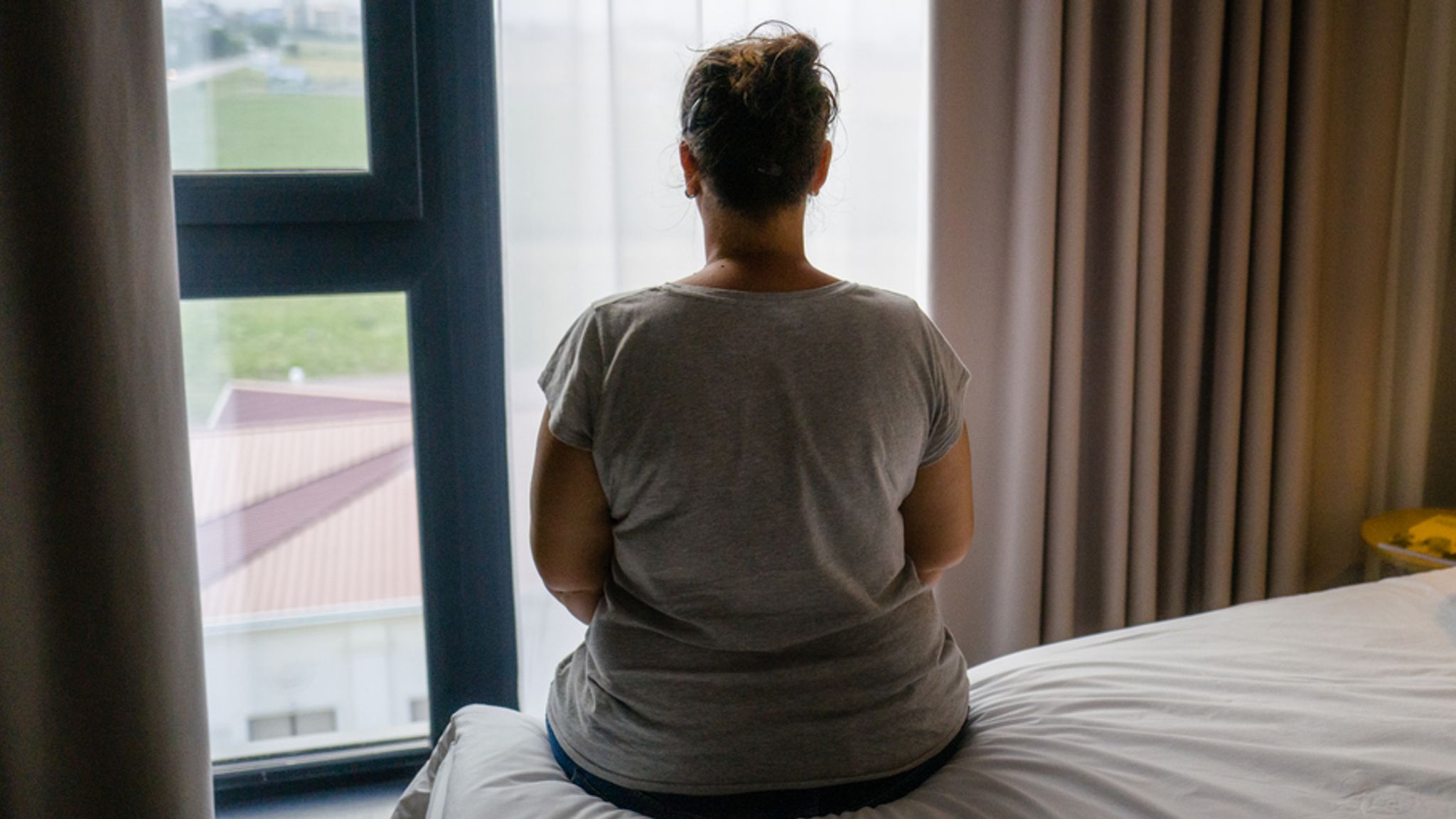
Rising Domestic Abuse Suicides Among Young People
The latest Crime Survey for England and Wales reveals that in the year ending March 2025, there were 150 suspected cases where victims of domestic abuse took their own lives. Alarmingly, the data shows that young people aged 16 to 19 experience domestic abuse at a significantly higher rate—18.2%—compared to adults aged 25 and older. This suggests teenagers face unique vulnerabilities and risks within abusive relationships.
Assistant Commissioner Louisa Rolfe, the national policing lead for domestic abuse, warns that easy access to violent pornography and the influence of toxic online personalities may be contributing to this disturbing trend among youth. She explains, “People are now much more likely to access violent pornography, which normalises violence and behaviour in a relationship,” emphasizing the particularly dangerous rise in non-fatal strangulation cases.
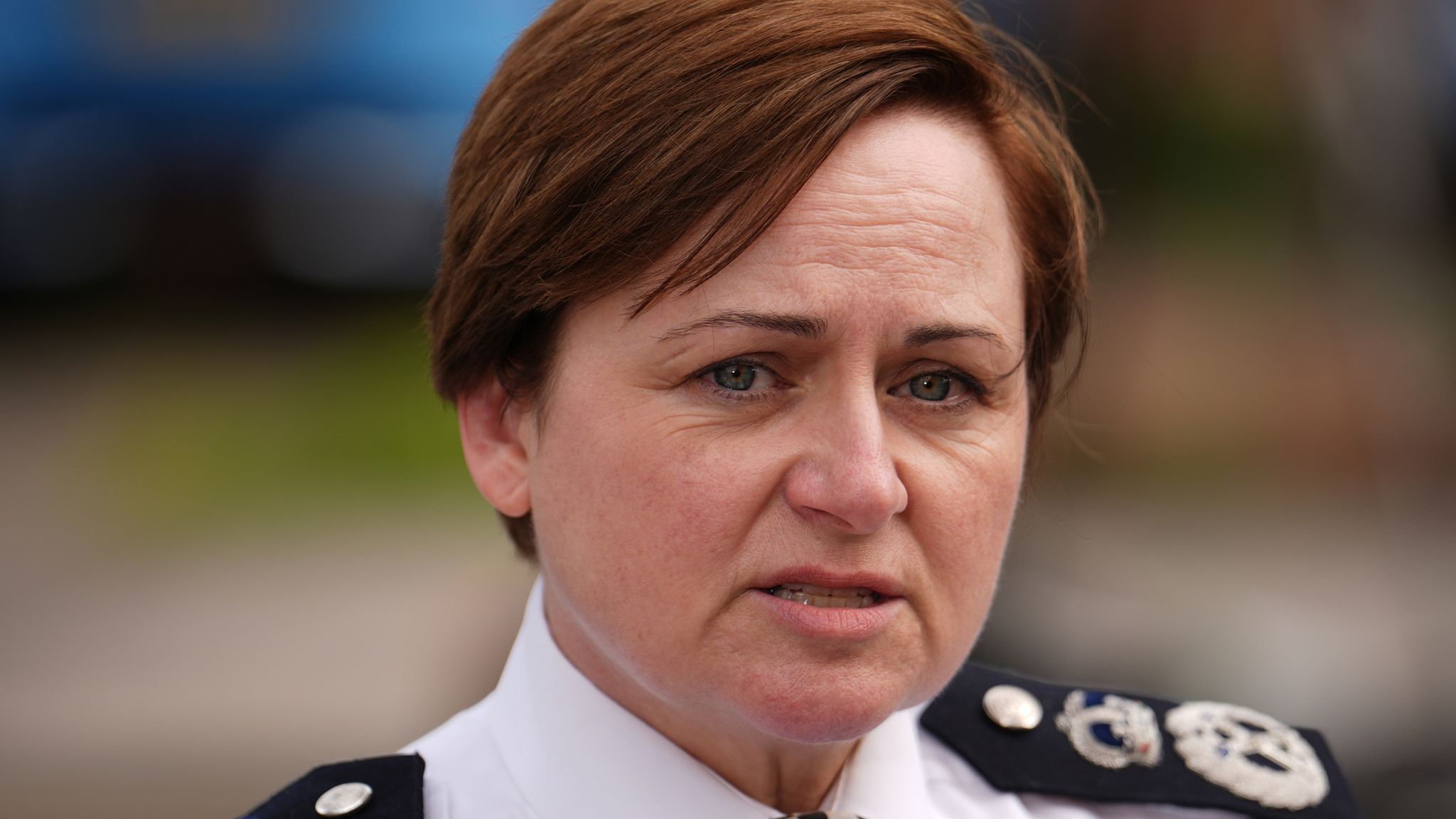
Rolfe further highlights the role of “toxic influencers” in shaping harmful attitudes toward women and perpetuating abusive dynamics. These factors compound the risk for young victims, who may internalize damaging messages about gender and relationships at formative ages.
Domestic Homicides and Suicide: A Complex Connection
The report also reveals a troubling shift in domestic homicide patterns. Over the past five years, the Domestic Homicide Project—a police-led analysis of domestic homicides—recorded 553 suicides following domestic abuse, surpassing cases where a partner directly killed the victim. Among these, four involved victims under 16 abused by adults, including three family members and one intimate partner.
Jess Phillips, the government’s Minister for Safeguarding and Violence Against Women and Girls, stresses the urgency of this data. “The report reinforces the need for tougher action to stop perpetrators causing harm,” she states, pointing to the ongoing Violence Against Women and Girls Strategy designed to tackle the root causes of domestic abuse and deploy comprehensive state powers against offenders.
Calls for Legal Reform: Separating Suicide from Manslaughter
Campaigners are pressing for the introduction of a new legal category that distinguishes suicides linked to domestic abuse from traditional manslaughter charges. Frank Mullane, CEO of Advocacy After Fatal Domestic Abuse, argues that jurors often misunderstand manslaughter, associating it with physical altercations rather than the psychological torment that leads to suicide. He believes a separate offense could better educate the public and improve justice outcomes.
In the past five years, 17 domestic abuse charges followed victims’ suicides, with three cases involving manslaughter investigations. Authorities expect this number to rise as awareness grows. Over the same period, 1,452 deaths connected to domestic abuse were reported, with 347 occurring in the year ending March 2025—an increase largely attributed to improved recording rather than a surge in offenses.
A Personal Story: The Impact of Coercive Control
The devastating story of Chloe Holland, who died by suicide in 2023 after enduring a controlling relationship, puts a human face on these statistics. Chloe’s mother, Sharon Holland, has become an outspoken campaigner for harsher legal consequences for perpetrators of coercive control, advocating for manslaughter charges when abuse leads to suicide.
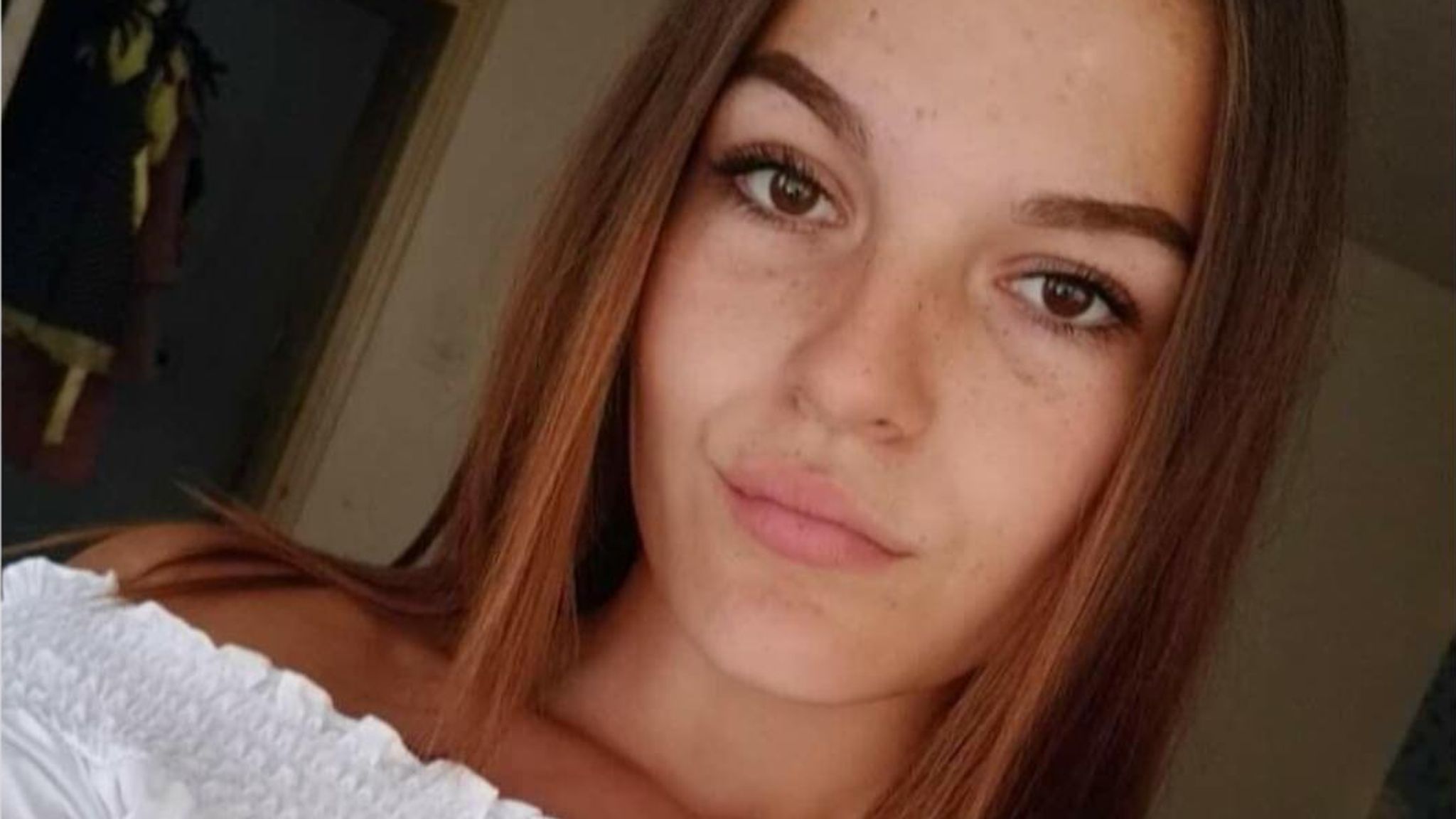
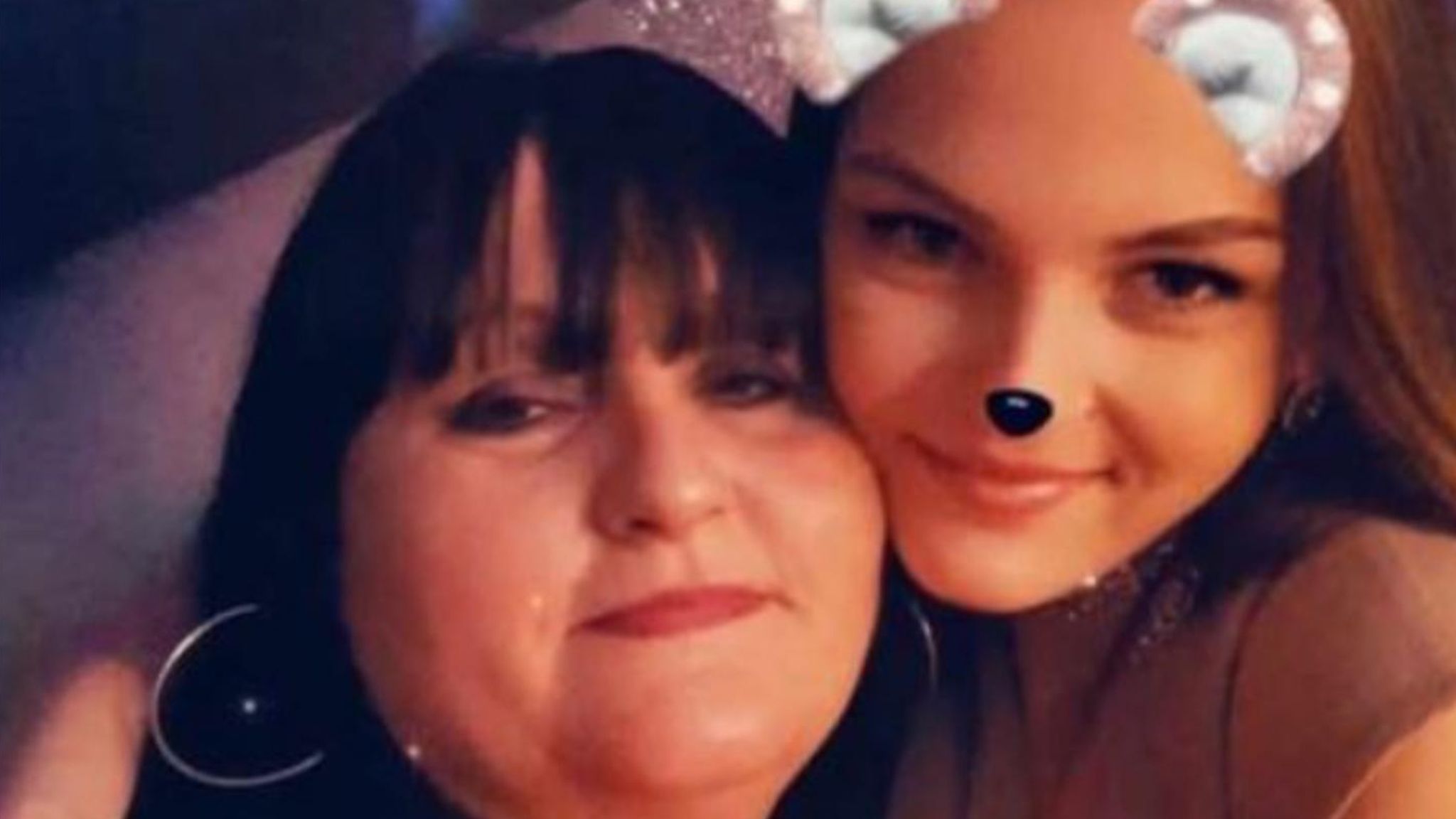
“Her perpetrator was convicted for coercive control, but I felt it wasn’t enough,” Sharon explains. “Coercive control causes profound psychological harm, which courts often overlook in favor of physical injuries. It’s frustrating that many perpetrators escape manslaughter convictions.”
Sharon describes coercive control as an isolating force that strips victims of autonomy—controlling their finances, social interactions, clothing, and more. This relentless oppression can push victims to the brink, leaving suicide as the only perceived escape.
She urges victims to seek help early and encourages the public to listen and support those who may be trapped in abusive situations. “If you know something is going on… just listen and be understanding—hopefully we can prevent more deaths,” she says.
Why This Matters and What Lies Ahead
The inclusion of under-18 domestic abuse suicide cases in official statistics marks a pivotal moment in understanding the full scope of domestic abuse’s deadly consequences. Young people are disproportionately affected, and the intertwining of psychological abuse, toxic online influences, and the normalization of violence demands urgent policy attention.
Legal reform to better address abuse-related suicides, enhanced public awareness, and improved support systems for victims could collectively reduce these tragic outcomes. The government’s ongoing strategies and the voices of campaigners like Sharon Holland signal a commitment to tackling this complex issue from multiple angles.
As society grapples with the evolving nature of domestic abuse, recognizing the deep psychological impact and broadening the legal framework are critical steps toward protecting vulnerable individuals—especially the youth—from falling victim to abuse and despair.
If you or someone you know is experiencing domestic abuse or emotional distress, help is available:
- UK Samaritans: Call 116 123 or visit samaritans.org
- US Suicide Prevention Lifeline: Call 1 (800) 273-TALK
- National Domestic Violence Helpline (UK): 0808 2000 247
- Women’s Aid
- Respect (male victims helpline): 0808 8010327
- Galop (LGBT+ anti-violence charity): 0800 999 5428