The UK government is launching a bold initiative to combat the escalating fly-tipping crisis by compelling offenders in England to join “clean-up squads” and clear the waste they illegally dump. This unprecedented move shifts the burden of environmental restoration squarely onto the perpetrators, aiming to accelerate justice and reduce the growing blight on public spaces.
What the New Fly-Tipping Enforcement Plan Entails
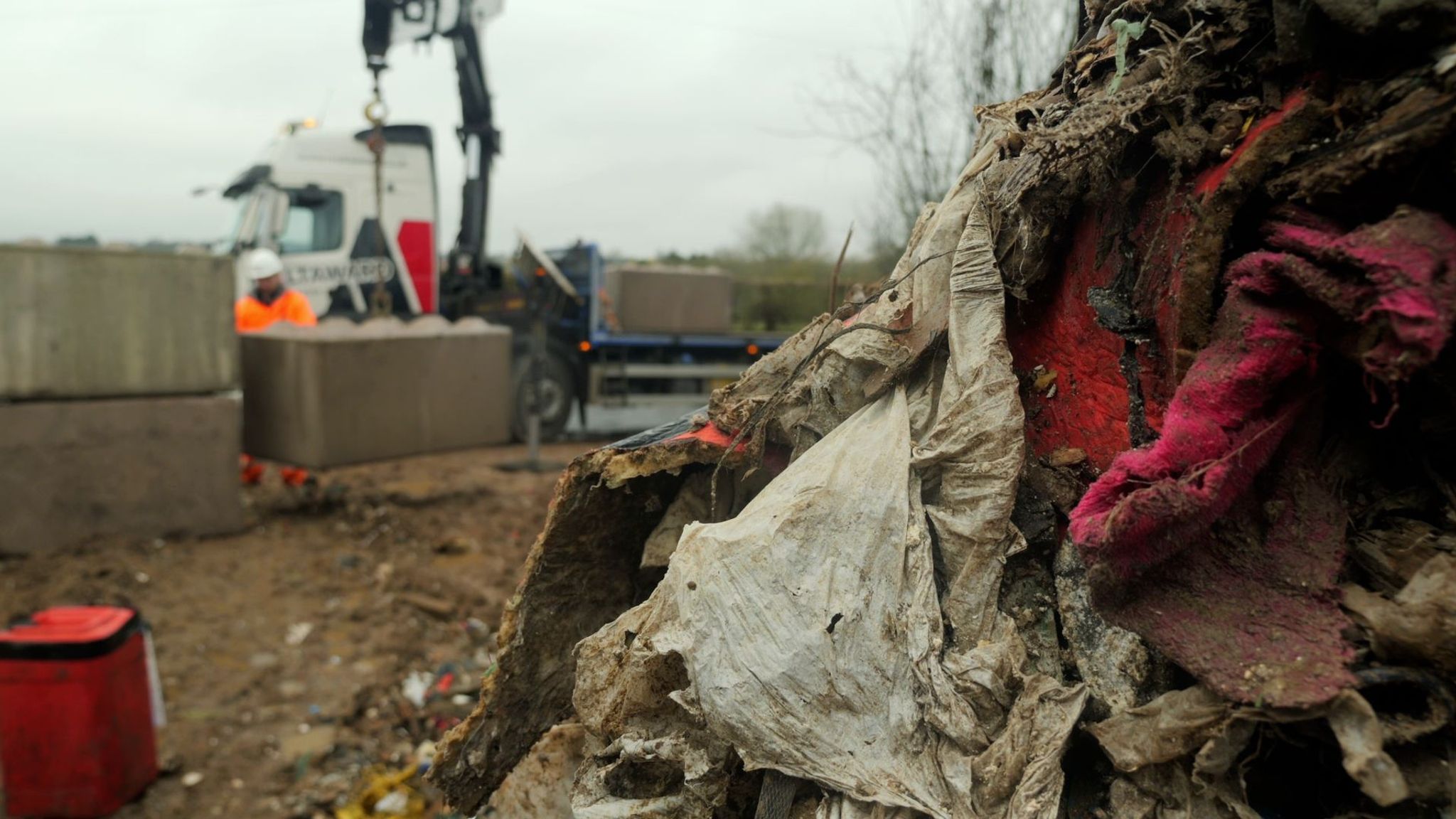
Fly-tippers caught by local authorities will face conditional cautions that mandate up to 20 hours of unpaid community service, specifically focused on cleaning streets, parks, and known dumping hotspots. This approach targets low-level offenders directly, avoiding the traditionally slow and costly court process that often delays punishment.
Currently, fly-tipping convictions follow lengthy legal proceedings, with offenders often escaping immediate consequences. This new system empowers councils to impose swift, tangible penalties that require offenders to take responsibility for their environmental damage.
The initiative forms part of a comprehensive 10-point strategy unveiled by the Environment Agency, designed not only to tackle petty fly-tipping but also to disrupt organised illegal waste operations that pose a severe threat to communities and natural habitats alike.
Government and Ministerial Perspectives on Tackling Waste Crime
Environment Secretary Emma Reynolds emphasized the government’s firm stance: “If you dump rubbish on our streets, you will be joining a clean-up squad and picking up the bill, not the taxpayer.” She declared that the administration is equipping the Environment Agency and local authorities with enhanced powers to enforce waste laws more effectively, issue tougher sentences, and accelerate responses to illegal dumping.
Reynolds’ comments highlight a shift in policy that prioritizes the empowerment of frontline agencies and places financial and practical responsibility on offenders, rather than the public.
Nature Minister Mary Creagh elaborated on the limitations of the current system, explaining that although courts and local authorities possess enforcement powers, the process is often lengthy and ineffective. “Local authorities are reluctant to prosecute because often the costs of prosecution can take longer and there can be very little consequence at the end of it,” she said.
Creagh underscored that the clean-up squad penalty is a new tool designed to complement—not replace—existing measures such as vehicle seizures and court prosecutions. It reflects a manifesto commitment to ensure that those who spoil public spaces must take immediate action to rectify their damage.
Funding, Enforcement Trends, and Future Outlook
The government reports an 8% increase in enforcement actions against fly-tipping, with local authorities conducting 572,000 interventions in 2024/25. Despite this progress, the fight against illegal waste dumping faces significant challenges, especially from organised crime groups.
Historically underfunded, the Environment Agency’s enforcement budget for 2025/26 has risen to £15.6 million to bolster its capacity to combat large-scale waste crime. However, many experts and environmental advocates consider this funding insufficient given the scale and complexity of the problem.
The new clean-up squad scheme is slated for implementation in early 2027, promising a faster, more community-focused approach to enforcement that holds offenders directly accountable.
The Local Government Association (LGA), representing councils across England, has urged the government and the Sentencing Council to urgently review sentencing guidelines for fly-tipping. The LGA contends that current court fines often fail to match the severity of the offence and are frequently less punitive than penalties imposed by local authorities.
Arooj Shah, chair of the LGA’s neighbourhoods committee, stressed the need for stricter punishments: “Sentencing guidelines must be reviewed so punishments properly reflect the seriousness of the offence and the harm it causes to communities.”
Why This Crackdown Matters
Fly-tipping poses a serious environmental and public health issue, tainting natural landscapes, endangering wildlife, and costing taxpayers millions to clean up. The new policy represents a decisive effort to disrupt the cycle of illegal dumping by forcing offenders to bear the cleanup costs themselves—both financially and physically.
By instituting clean-up squads, the government hopes to deter future offences through swift, visible consequences while reducing the administrative burden on councils and courts. This strategy seeks to protect communities from the eyesore and hazards of fly-tipping, ensuring cleaner, safer public spaces for all.
As the policy rolls out, its success will depend on effective coordination between local authorities, the Environment Agency, and community stakeholders. If implemented robustly, it could mark a turning point in England’s ongoing battle against illegal waste dumping.