

A groundbreaking study reveals that a less invasive prostate cancer treatment delivers outcomes comparable to traditional radiotherapy and surgery while significantly reducing side effects. This development could revolutionize how prostate cancer is managed, offering patients effective therapy with improved quality of life.
What the Study Found
The research focused on evaluating a targeted, minimally invasive approach to prostate cancer treatment. Unlike conventional methods such as radiotherapy and radical prostatectomy, this technique aims to eradicate cancer cells while preserving surrounding healthy tissue. The study’s findings demonstrate that this method achieves cancer control rates on par with more aggressive treatments.
Crucially, patients undergoing this less invasive treatment experienced fewer adverse effects commonly associated with prostate cancer therapies. These side effects often include urinary incontinence, erectile dysfunction, and bowel issues, which can severely impact daily living and emotional well-being. By minimizing damage to nearby nerves and structures, the new treatment helps maintain patients’ quality of life.
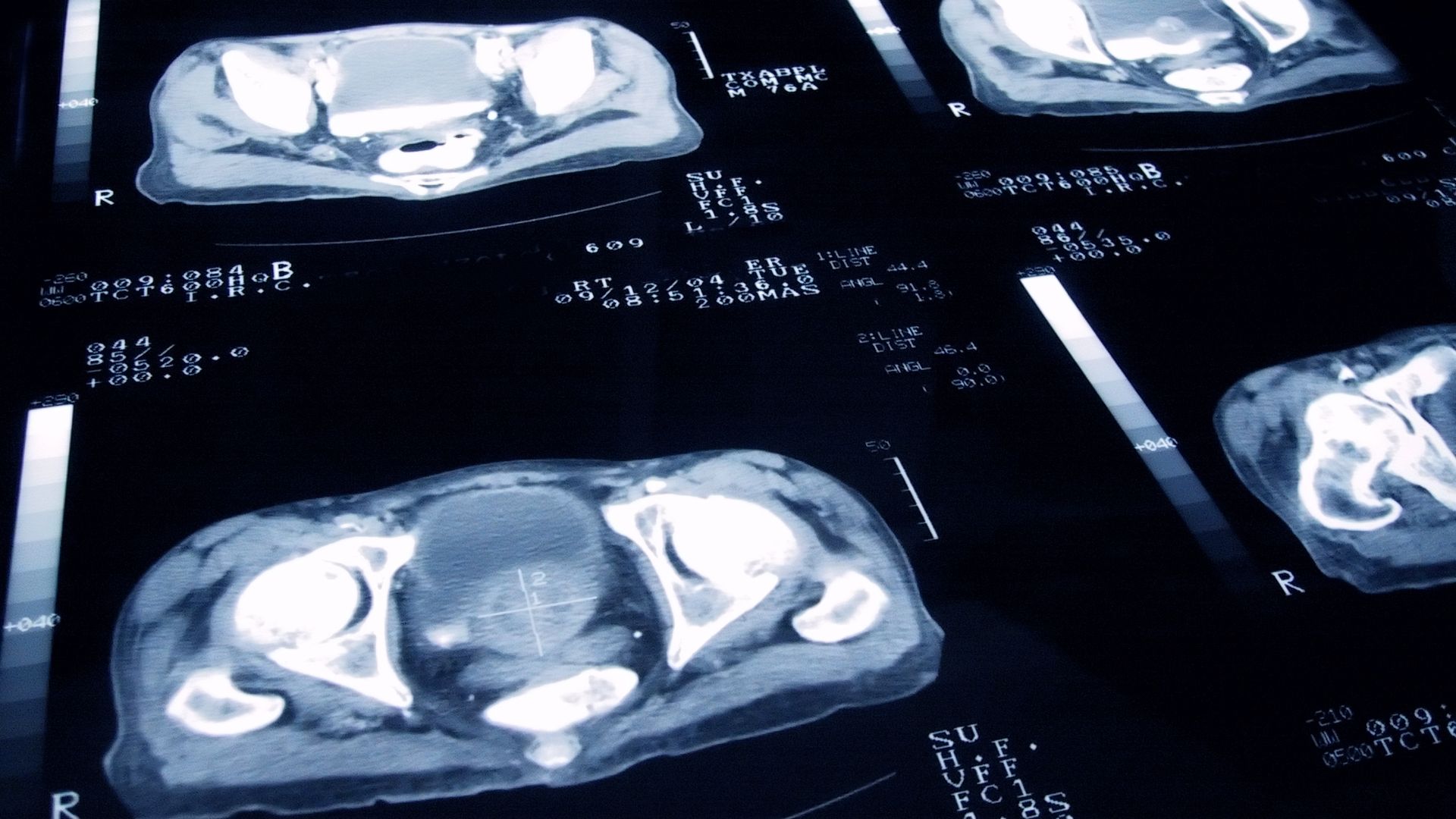
Why This Matters for Prostate Cancer Patients
Prostate cancer remains one of the most diagnosed cancers among men worldwide. Treatment decisions often involve weighing the potential benefits against the risks of side effects. Traditional treatments like radiotherapy and surgery, while effective, can lead to significant complications that deter some men from pursuing or completing therapy.
The emergence of a treatment option that matches the efficacy of these standards but with a gentler side effect profile addresses a critical need in prostate cancer care. It offers hope for patients seeking cancer control without sacrificing their lifestyle or facing long-term debilitating symptoms.
Moreover, this less invasive approach could expand treatment accessibility. Patients who are older or have other health issues that make surgery risky might benefit from this alternative, broadening the pool of men who can receive curative treatment.
What Comes Next: Implications and Future Directions
While this study marks a significant advance, further research and wider clinical adoption are necessary to confirm long-term benefits and establish best practices. Physicians will need to incorporate these findings into treatment discussions, helping patients make informed choices tailored to their individual circumstances.
Healthcare systems may also need to adapt, ensuring that clinicians are trained in the new technique and that resources are allocated to support its integration. The potential for reduced side effects might lead to lower overall healthcare costs related to managing complications.
Ultimately, this development underscores the ongoing evolution in cancer treatment toward precision and patient-centered care. By balancing effectiveness with quality of life, prostate cancer therapy can become both more successful and more humane.
Takeaway
This major study introduces a promising prostate cancer treatment that matches the effectiveness of radiotherapy and surgery but with fewer side effects. For the millions of men diagnosed annually, this advancement offers a new pathway to fight cancer without compromising their quality of life. As the medical community embraces this innovation, it could reshape prostate cancer care, making treatment safer, more accessible, and more patient-friendly.