

The world is bracing for an extraordinary climate event as meteorologists confirm that the current El Niño phenomenon is poised to escalate into a highly intense weather pattern. Experts predict this powerful El Niño will persist well into February 2025, potentially triggering widespread and severe weather disruptions across the globe.
What Is El Niño and Why Does It Matter?
El Niño is a natural climate cycle originating in the tropical Pacific Ocean, characterized by unusually warm ocean surface temperatures. This warming disrupts typical atmospheric circulation patterns, influencing weather worldwide. El Niño events, which generally occur every two to seven years, can cause drastic shifts such as intensified storms, droughts, floods, and heatwaves.
The strength of an El Niño event plays a critical role in determining its global impacts. While mild or moderate events affect localized regions, strong or very strong El Niños can trigger extreme weather across multiple continents. This year’s forecast suggests an event of exceptional intensity, raising concerns among governments, farmers, and disaster management agencies.
Current Forecasts and Expected Impacts
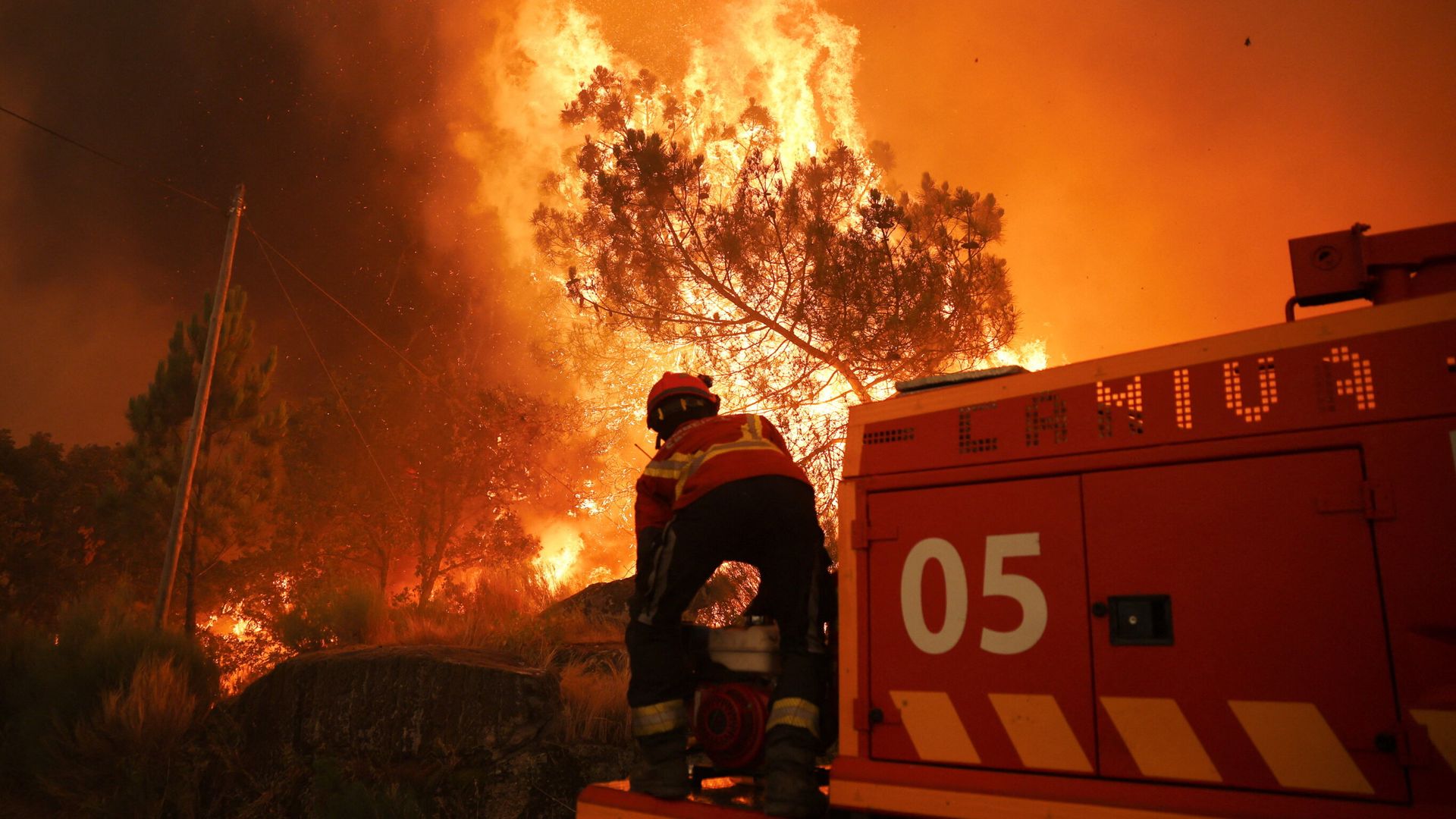
A very strong El Niño can dramatically alter global weather patterns. For instance, it often brings wetter-than-normal conditions to the southern United States and Peru, while causing droughts in Australia, Indonesia, and parts of Southeast Asia. Increased rainfall can lead to flooding and landslides, while droughts threaten agriculture, water supplies, and ecosystems.
In addition to immediate weather disruptions, El Niño events influence global temperatures. Strong El Niños tend to push average global temperatures higher, sometimes exacerbating ongoing trends of climate change. This year’s event could contribute to record-breaking heatwaves and further stress vulnerable populations.
Why This El Niño Is Deemed ‘Exceptional’ and What Lies Ahead
Experts describe this El Niño as “exceptional” not only due to its anticipated intensity but also because of the current baseline of elevated global temperatures. The combination of natural oceanic warming and human-driven climate change creates a scenario where the impacts may be more pronounced and far-reaching than past events.
This exceptional nature demands heightened preparedness worldwide. Governments and agencies must monitor evolving conditions closely to mitigate risks. Agricultural sectors may need to adjust planting seasons or crops, while water management authorities must plan for extremes of scarcity and excess.
Moreover, understanding the nuances of this event can improve forecasting and early warning systems, potentially saving lives and reducing economic losses. Scientists continue to refine models to predict how this El Niño will interact with other climate drivers, such as the Indian Ocean Dipole or the Atlantic Multidecadal Oscillation.
Looking Forward: Preparing for an Unprecedented Climate Challenge
The confirmation that this year’s El Niño will be a very strong, exceptional event underscores the urgency of climate resilience and adaptation strategies. Stakeholders worldwide—from policymakers to local communities—must stay informed and proactive to navigate the coming months.
While El Niño is a recurring natural phenomenon, its impacts grow increasingly complex in a warming world. This event serves as a stark reminder of the interconnectedness of ocean and atmospheric systems and the vital importance of robust climate monitoring.
As the situation unfolds, continuous updates from meteorological organizations will be essential. The global community faces a challenging period ahead, but with informed action and cooperation, the risks posed by this exceptional El Niño can be managed more effectively.