

Chrissie Staveley, the influential financier who played a pivotal role in the landmark takeover of Newcastle United Football Club, is now setting her sights on acquiring a minority share in West Ham United. This development unfolds as West Ham faces the stark reality of relegation to the Championship, marking a significant chapter for the London-based club.
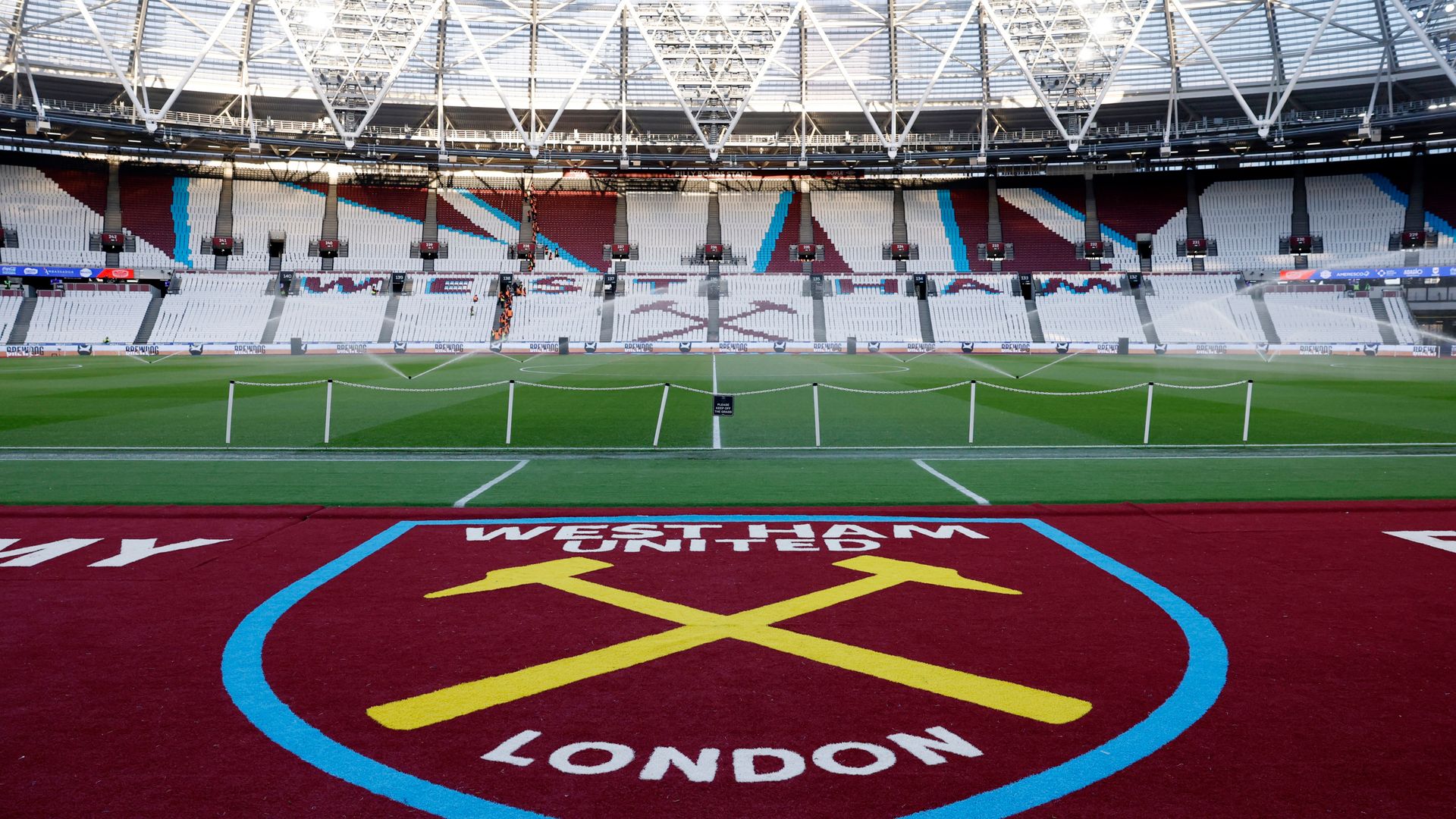
From Newcastle to West Ham: Staveley’s Expanding Football Portfolio
Chrissie Staveley first rose to prominence in the football world through her involvement with the consortium led by Saudi Arabia’s Public Investment Fund (PIF), which completed the high-profile acquisition of Newcastle United. Her financial acumen and strategic vision helped secure one of the Premier League’s most transformative ownership deals, injecting vast resources and ambition into the club.
Now, Staveley is reportedly in advanced discussions to purchase a minority stake in West Ham United, a club with a passionate fanbase but currently grappling with the challenges of relegation. This potential investment could introduce fresh capital and leadership insight at a critical juncture for the Hammers.
West Ham’s Relegation and What It Means for Ownership
West Ham’s drop from the Premier League to the Championship represents a seismic shift in the club’s trajectory. Relegation not only impacts revenue streams—such as broadcasting rights and sponsorship deals—but also affects player retention and recruitment strategies. In this context, new investment and robust ownership become crucial to stabilizing the club and charting a course back to top-flight football.
Staveley’s interest signals a vote of confidence in West Ham’s long-term potential despite recent setbacks. Minority stakeholders often play influential roles in shaping club strategy, facilitating commercial growth, and enhancing fan engagement. Her prior experience navigating the complexities of football investment at Newcastle could prove invaluable as West Ham seeks to rebuild.
Why Staveley’s Move Matters for English Football
The potential entry of Chrissie Staveley into West Ham’s ownership group highlights broader trends within English football, where high-net-worth individuals and investment consortia increasingly reshape club dynamics. Her dual involvement with two historically significant clubs underscores the growing intersection of global capital and traditional football culture.
Moreover, her role challenges the conventional narrative around football ownership by exemplifying a strategic, financially savvy approach to club investment. As West Ham confronts the financial and competitive pressures of the Championship, Staveley’s involvement could accelerate the club’s restoration ambitions.
For supporters, this development rekindles hope that West Ham can leverage new resources and expertise to return swiftly to the Premier League and compete sustainably at the highest level.
Looking Ahead: The Future of West Ham Ownership
While the details of the deal remain confidential, confirmation of Staveley’s minority stake acquisition would mark a significant milestone for West Ham United. It would inject not only capital but also a wealth of experience in managing football clubs through transformative periods.
The coming months will reveal how this ownership change influences West Ham’s strategic decisions, from player transfers to commercial partnerships. For the club’s supporters, the prospect of fresh investment offers a crucial lifeline and the promise of a revitalized future.
As West Ham United embarks on this new chapter with potential backing from one of football’s most astute investors, the club’s journey back to the Premier League will be watched closely by fans and analysts alike.
Full details of the investment remain under wraps, but the implications for West Ham’s revival are profound.