

In a significant crackdown on mobile phone theft networks, the Metropolitan Police seized more than 500 suspected stolen phones from a shop in northwest London, arresting four men connected to the operation. This major discovery highlights ongoing efforts to disrupt the trade in stolen devices, which continues to impact London communities.
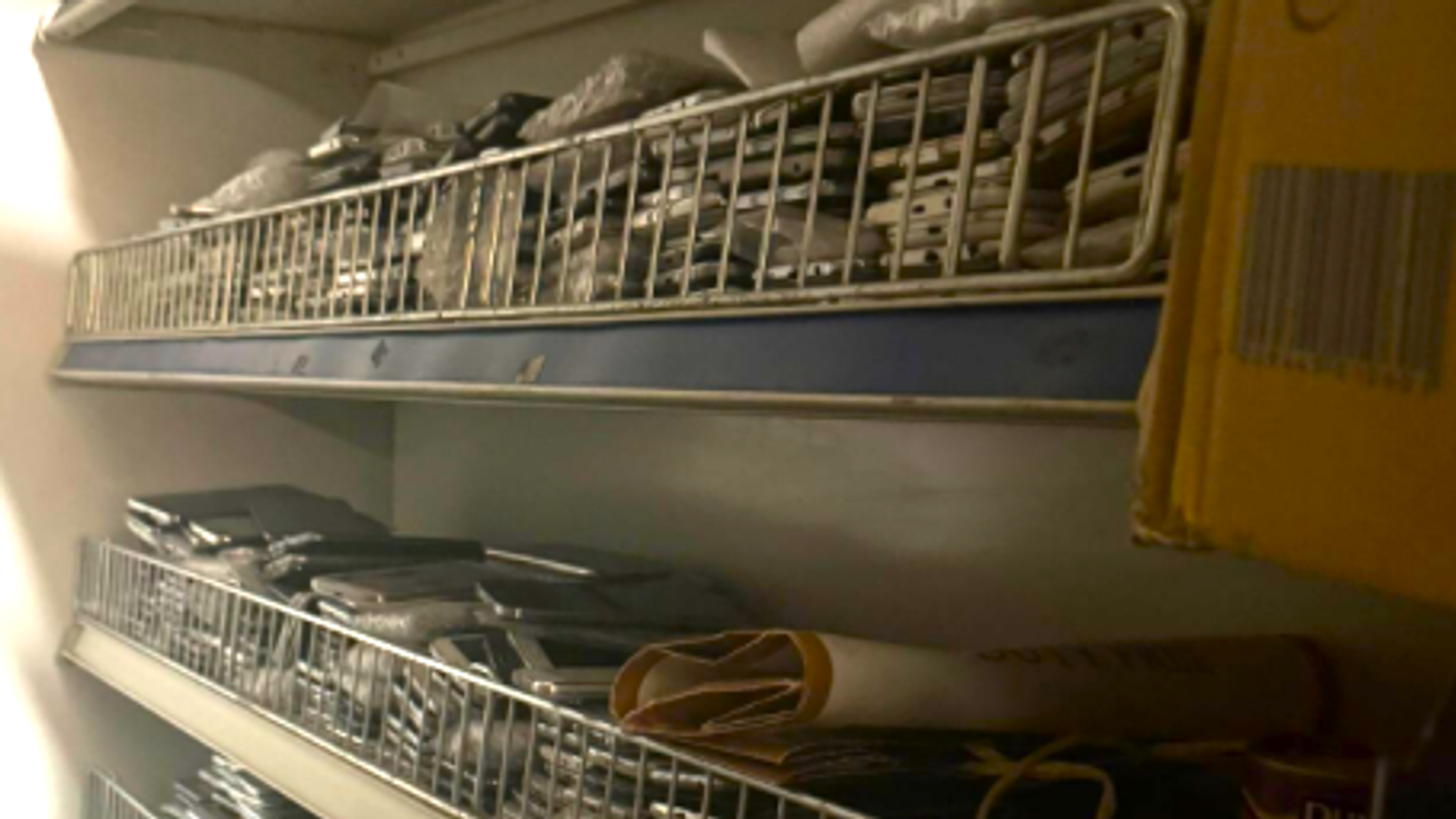
Police Raid Reveals Massive Stockpile of Suspected Stolen Phones
Officers executed a warrant on a shop located in Kilburn, northwest London, initially targeting the premises due to intelligence indicating it was a hub for class B drug supply. However, the search uncovered a far larger criminal activity involving mobile phone theft.
Metropolitan Police footage captured the moment officers used a heavy-duty tool to break through a padlocked door inside the store. Behind it, shelves were found stacked with hundreds of mobile phones. One officer was heard remarking on the sheer volume, noting there were “loads of phones” stored within the space.

The four men arrested range in age from 22 to 63 and face multiple charges, including suspicion of handling stolen goods as well as possession of drugs and intent to supply. Following their arrests, three suspects were released on bail, while one remains under investigation as police continue their inquiries.
Why This Seizure Matters: Tackling the Mobile Phone Theft Epidemic
Inspector Yu Zhang of the Met’s local policing team in Brent emphasized the persistent threat mobile phone theft poses to Londoners. “Mobile phone theft remains a major concern for Londoners,” he said. “Seizures such as this show that we are not only targeting individual phone snatchers, but also those who handle and profit from stolen devices.”
This operation reflects a broader strategic focus by the Metropolitan Police to disrupt the entire supply chain of stolen phones—from street-level theft to the resale market. The recovery of such a large number of devices in one location suggests the existence of an organized network profiting from these crimes.
Innovative Policing Techniques to Combat Theft
To stay ahead of criminals, the Metropolitan Police have incorporated advanced technology into their anti-theft campaigns. They deploy drones for aerial surveillance and high-powered Sur-Ron electric bikes to quickly pursue suspects through urban environments. These innovations help officers respond rapidly and gather intelligence more effectively.
These tactics have contributed to a notable decline in reported mobile phone theft offences across London. Over the past year, the city has seen a drop of approximately 10,000 such incidents, signaling progress in law enforcement efforts.
The Role of Industry and Legislative Pressure
Despite these policing successes, the problem of stolen phones remains far from solved. Metropolitan Police Commissioner Sir Mark Rowley has publicly challenged the mobile phone industry to take greater responsibility. In March, he warned that if by June manufacturers and network providers do not present serious, solution-oriented commitments to render stolen phones unusable globally, the Met will urge the government to introduce legislation mandating such measures.
This push aims to close loopholes in the market that allow stolen devices to be reactivated and resold, which fuels theft incentives. Industry-wide cooperation could significantly reduce the black market value of stolen phones, thereby deterring theft.
Looking Ahead: The Fight Against Mobile Phone Theft Continues
The seizure in Kilburn serves as a stark reminder that mobile phone theft is not just a series of isolated incidents but part of a broader criminal enterprise. By targeting large-scale handlers and resellers, the Metropolitan Police are disrupting key links in the stolen phone supply chain.
Moving forward, sustained law enforcement pressure combined with technological innovation and legislative action will be essential to protect Londoners from this costly crime. The collaboration between police, industry, and government holds the key to finally reducing mobile phone theft rates to a minimum.
Full details of the ongoing investigations and further enforcement actions have not yet been released.