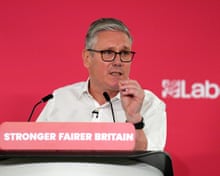
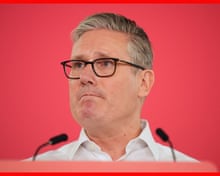
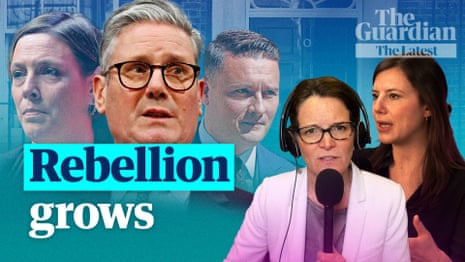
Keir Starmer, leader of the Labour Party and prime minister, faces mounting turmoil as four of his ministers resign, joining over 80 MPs demanding his departure. The resignations reflect deep dissatisfaction within the party following recent election setbacks, but Starmer remains defiant, insisting he will continue to lead.
What Sparked the Resignations?
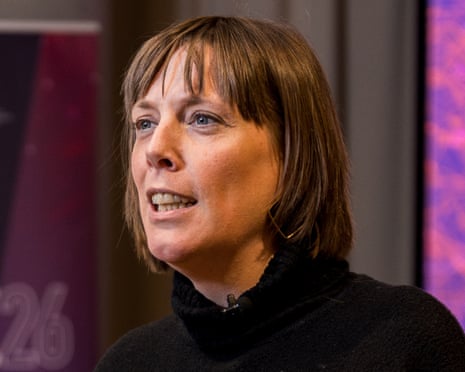
The wave of resignations began with Jess Phillips, a prominent Home Office minister and close ally of Health Secretary Wes Streeting. In her resignation letter, Phillips expressed her frustration with what she described as a stagnation in government progress. She wrote that although Starmer is “a good man fundamentally” who cares about the right issues, his reluctance to engage in difficult debates has left “opportunities for progress stalled and delayed.”
Phillips highlighted specific policy frustrations, citing a year-long struggle to advance legislation to protect children from online sexual abuse. She noted that 91% of online child sex abuse involves children themselves being exploited through self-generated content. Despite presenting well-researched solutions, the government only recently agreed to “threaten” legislation—falling far short of bold action. The planned announcement on this critical issue was repeatedly delayed, reflecting a pattern of incremental, rather than decisive, change.
Shortly after Phillips’ departure, three more ministers resigned: Health Minister Zubir Ahmed, Minister for Victims and Tackling Violence Against Women and Girls Alex Davies-Jones, and Communities Minister Miatta Fahnbulleh, the first to resign earlier in the day. Fahnbulleh, an ally of Energy Secretary Ed Miliband, called on Starmer to “set a timetable for an orderly transition,” warning that the prime minister had “lost the trust and the confidence of the public,” a sentiment echoed by many following the latest election defeats.


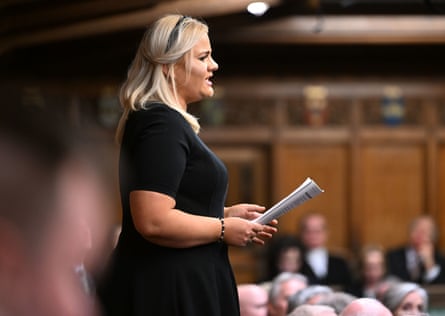
Davies-Jones underlined the severity of Labour’s electoral losses across the UK, describing them as “catastrophic” and urging Starmer to respond with “bold, radical action.” Ahmed emphasized a “lack of values-driven leadership” and accused the prime minister of losing public confidence irretrievably.

Starmer’s Response and Cabinet Dynamics
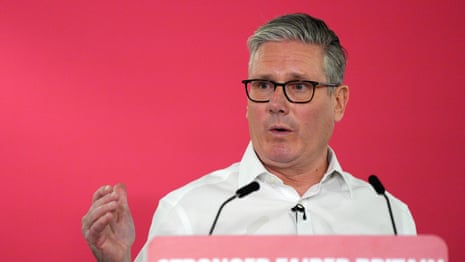
Despite the resignations and vocal dissent from a growing number of MPs, Starmer addressed his cabinet on Tuesday, reaffirming his determination to remain in office. He argued the threshold for a formal leadership challenge had not been met and pledged to “fight on” as prime minister.

Supporters within the cabinet rallied around him. Work and Pensions Secretary Pat McFadden confirmed no one had challenged Starmer during the meeting, urging the government to focus on delivering its agenda. Technology Secretary Liz Kendall publicly declared her full support, emphasizing the government’s mandate to serve the British people.

Behind closed doors, senior cabinet ministers including Home Secretary Shabana Mahmood, Foreign Secretary Yvette Cooper, Defence Secretary John Healey, and Deputy Prime Minister David Lammy engaged in candid discussions with Starmer. Some advised him to prepare for an orderly transition following the devastating election results, while others encouraged a dignified approach to any future leadership changes. Key figures like Richard Hermer and Steve Reed urged him to remain in position and rebuild.

What This Means for Labour and the UK
The internal conflict within Labour unfolds against the backdrop of recent local and devolved elections across England, Wales, and Scotland, where the party suffered significant losses. More than 80 Labour MPs have publicly called for Starmer’s resignation, reflecting a profound crisis of confidence in his leadership.
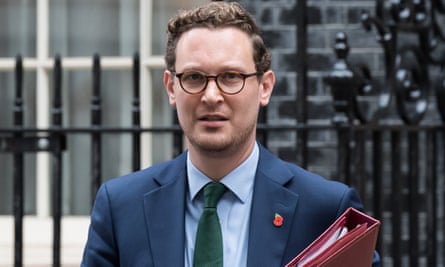
Yet, Starmer’s allies argue that political stability and unity are crucial, especially amid global security challenges and economic uncertainty. Darren Jones, Starmer’s chief secretary, acknowledged the intense pressures of the premiership and emphasized that Starmer was “listening to colleagues” but would ultimately decide the party’s path forward.
Jones highlighted the complexity of governing in a “new political era of five-party politics” and the rise of populist movements, underscoring the need for Labour to stay focused on policy delivery and preparation for future elections. He confirmed that key parliamentary business, including the King’s speech, was proceeding as planned, signaling a commitment to governance despite internal strife.

Meanwhile, some Labour MPs have publicly defended Starmer. Neil Coyle criticized colleagues who blamed the local election losses solely on the leader, warning against damaging the party’s standing at the community level. Nick Smith stressed the importance of political stability, noting “unity is strength” during times of national challenge.
Looking Ahead: The Road to Recovery
The resignations and calls for Starmer’s exit mark a critical juncture for Labour. The party faces a choice between immediate leadership change or rallying behind Starmer to rebuild unity and credibility. The prime minister’s ability to navigate this internal rebellion while addressing policy demands will shape Labour’s fortunes ahead of the next general election.

For voters and party members alike, the unfolding drama underscores the high stakes of political leadership in turbulent times. Starmer’s next moves will determine whether Labour can regain public trust and present a compelling alternative to the government or whether prolonged internal conflict will further erode its standing.
Full details of how this leadership crisis will resolve remain uncertain, but the party’s future hinges on its capacity to reconcile internal divisions and deliver the bold reforms its members demand.