The Africa Forward Summit held in Kenya marks a significant moment in the evolving relationship between France and African nations. As France seeks to redefine its partnership beyond its traditional West and Central African strongholds, the summit highlights shifting geopolitical and economic dynamics across the continent.
Shifting Alliances: Why Kenya?
Hosting the summit in Nairobi, Kenya, rather than in a former French colony, signals France’s strategic pivot toward new, dynamic African markets. Political analyst Yabi noted that this choice illustrates “changing dynamics” in France’s approach to Africa. It is not merely a reaction to deteriorating ties with certain West African countries but a broader recognition that France must diversify its engagement.
For decades, France’s influence was concentrated in its former colonies in West and Central Africa. However, growing competition from emerging global players like China, Russia, and Turkey has challenged this dominance. France now aims to strengthen ties with East African countries like Kenya, which offer promising economic opportunities and serve as gateways to wider regional integration.
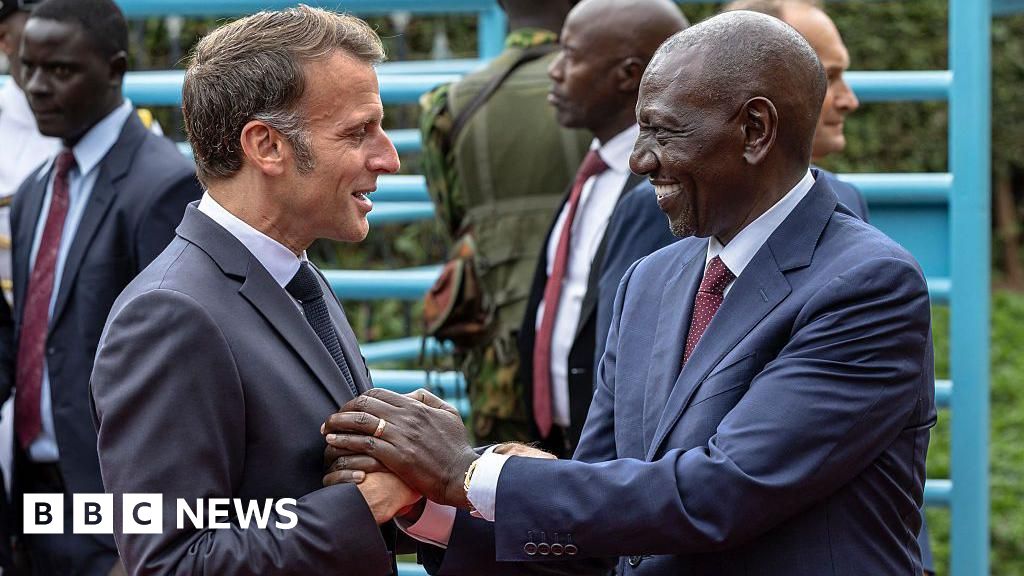
Both Kenya and France stand to benefit economically from co-hosting the summit. Kenya reinforces its position as a regional hub for diplomacy and investment, while France seeks to maintain and expand its relevance on a continent that is rapidly reshaping its geopolitical landscape.
France’s New Approach: Partnership over Patronage
At the University of Nairobi, French President Emmanuel Macron delivered a candid message that underscored a shift in France’s Africa policy. Macron emphasized that Africa “needs investment to become more sovereign,” challenging the outdated notion of European leaders dictating what African countries require.
He stressed several times throughout the summit that Africa “has its own agenda” and rejected the simplistic view of the continent as merely a supplier of raw materials. This marks a critical departure from the paternalistic attitudes that have historically characterized many Western engagements with Africa.
Macron’s remarks also reflected a broader desire to foster mutually beneficial partnerships based on respect and shared goals, rather than unilateral dependence. This approach aligns with growing demands across Africa for greater autonomy in managing their resources and development trajectories.
Global Voices Call for African Empowerment
The summit also featured a powerful intervention from United Nations Secretary-General António Guterres, who highlighted the need to reform the global economic system to better include African nations. Guterres criticized the “global system designed without Africa and still largely operating without Africa,” underscoring the continent’s historical marginalization in international decision-making.
He called for increased local processing, manufacturing, and industrialization to ensure African countries capture more value from their abundant natural resources. This call resonates deeply with ongoing debates about economic sovereignty and fair trade practices, crucial issues for Africa’s sustainable development.
Guterres’ stance complements Macron’s vision by advocating for systemic changes that empower African economies rather than perpetuate extractive models. Both leaders emphasized the importance of Africa charting its own course, free from external interference and exploitation.
Why This Matters Going Forward
The Africa Forward Summit in Kenya encapsulates a critical moment when traditional powerhouses like France recalibrate their strategies in response to Africa’s rising global stature and internal transformation. France’s move to engage East Africa and adopt a partnership-based approach signals recognition that Africa is no longer a passive recipient of foreign policies but an active player with its own priorities and agendas.
As new global competitors vie for influence and African countries push for greater control over their resources and development paths, the nature of international cooperation must evolve. The summit highlights how economic interests, political respect, and shared sovereignty can coexist in a new era of Africa-Europe relations.
For Africa, this shift presents opportunities to diversify partnerships, attract investments aligned with local needs, and assert greater control over its future. For France and other external actors, success will depend on respecting Africa’s agency and fostering genuine collaboration rather than clinging to outdated colonial legacies.
Ultimately, the summit serves as a reminder that Africa’s future will be shaped not by external dictates but by the continent’s own vision, ambitions, and resilience.