

The escalating migrant crisis in the English Channel has compelled French authorities to deploy riot police along the northern coast to prevent small boat crossings. This intensified security measure reflects growing concerns over the surge in unauthorized maritime attempts by migrants seeking to reach the UK.
Escalating Migrant Crossings Spark Security Response
As of April 2026, the English Channel has witnessed a dramatic increase in migrants boarding small vessels from the French coast, aiming to cross into the United Kingdom. In response, French law enforcement has escalated their presence in key departure points, particularly around Gravelines, a coastal town notorious for migrant embarkations.
The deployment of riot police is unprecedented in this context, signaling the gravity with which French authorities view the situation. Their primary objective is to disrupt the organization and execution of these crossings, which often involve overcrowded, unsafe boats risking lives in treacherous waters.
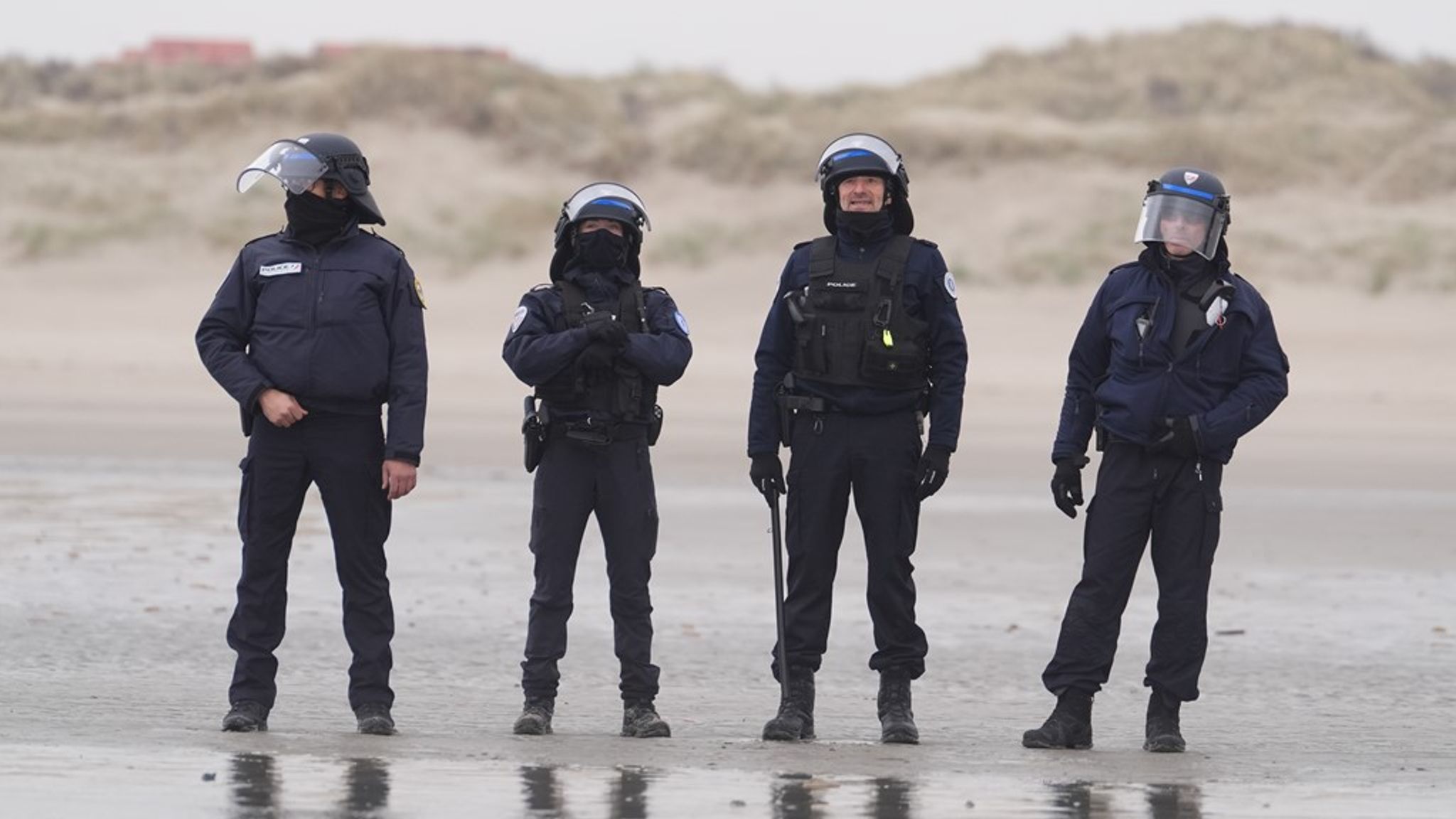
Officials have noted that the migrants, often fleeing conflict, poverty, or persecution, are increasingly turning to these perilous voyages due to limited legal migration pathways. The surge has prompted cross-border cooperation between French and British agencies, yet challenges persist in managing the flow humanely and effectively.
The Complex Dynamics Behind Small Boat Crossings
Small boat crossings across the Channel have become a focal point of migration debates in Europe. The Channel’s narrowest point, just 21 miles wide, has turned into a hotspot for desperate attempts to reach British shores. Migrants frequently rely on smugglers who exploit their vulnerability, charging exorbitant fees for unsafe passage.
French coastal towns like Gravelines have become departure hubs where migrants gather before embarking on the risky journey. Local authorities face the dual challenge of maintaining public order and ensuring the safety of those attempting the crossing.
Riot police presence aims to deter smugglers and dismantle organized efforts that facilitate these crossings. However, critics argue that increased policing alone cannot address the root causes driving migration, such as geopolitical instability and lack of access to asylum procedures.
Implications and What Lies Ahead
The introduction of riot police patrols raises critical questions about the balance between security and humanitarian considerations. While authorities emphasize the need to protect borders and prevent dangerous crossings, migrant advocates stress the importance of safe, legal alternatives.
UK and French governments continue to negotiate strategies to manage migration flows, including enhancing maritime patrols, improving asylum processing, and investing in international aid. The deployment of riot police marks a temporary intensification, but long-term solutions require coordinated policy efforts addressing both enforcement and humanitarian support.
For the migrants risking their lives on the Channel, these developments underscore the urgency of broader reforms. Without viable legal pathways and international collaboration, small boat crossings—and the dangers they entail—are likely to persist.
What this means: The deployment of riot police in French coastal areas represents a significant escalation in efforts to curb dangerous Channel crossings. It reflects the complexity of modern migration challenges, where law enforcement intersects with humanitarian crises. The coming months will test the effectiveness and ethical implications of these measures as both nations grapple with an ongoing humanitarian and security dilemma.