

Gatwick Airport, renowned as Europe’s busiest single-runway airport, has plunged into a critical fuel shortage, sparking widespread concern among travelers and airlines. This unexpected disruption arrives at a peak travel season, leaving passengers and industry insiders bracing for further complications across other major airports.
What Happened at Gatwick?
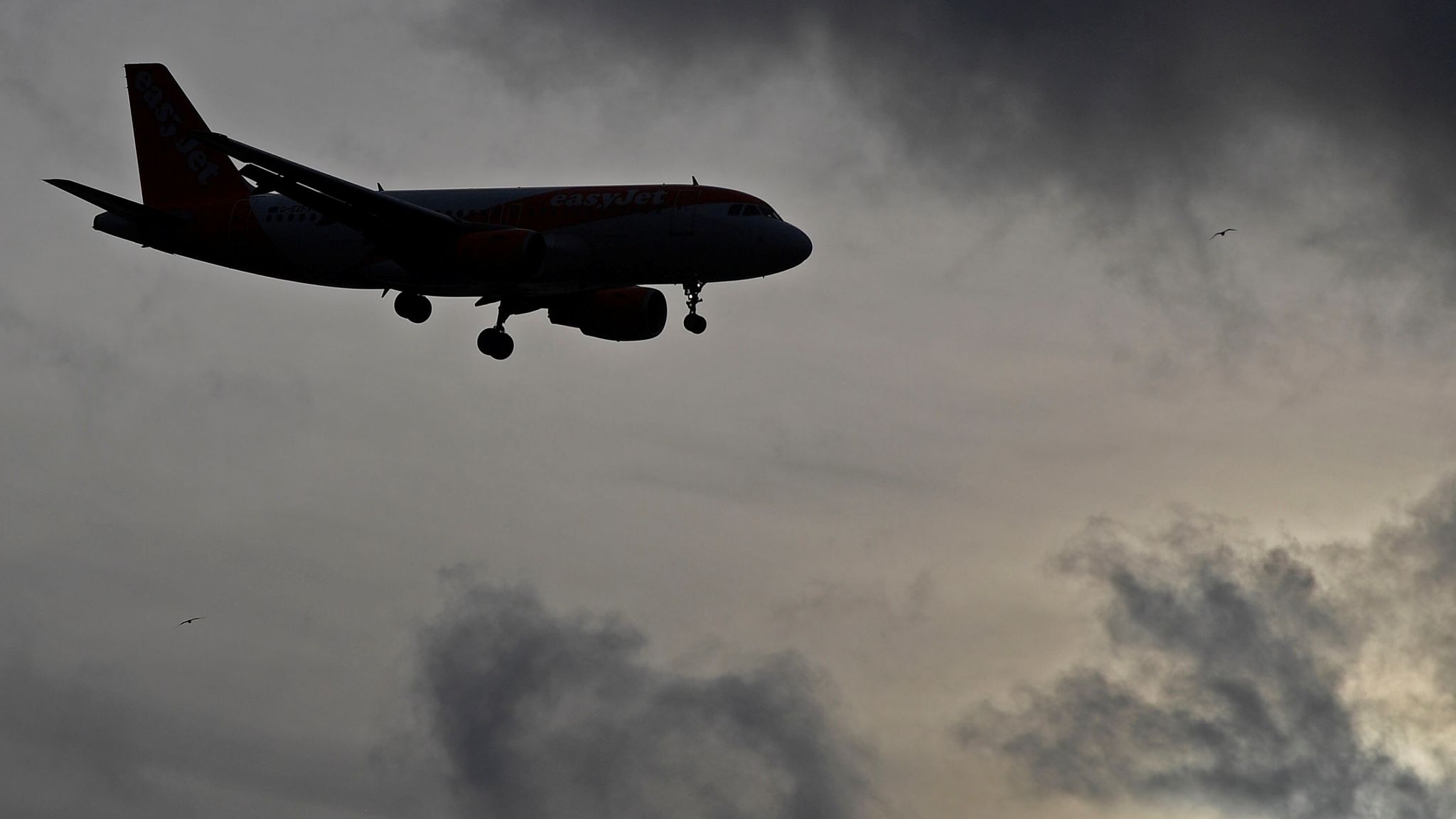
Gatwick Airport, located just south of London and serving millions of holidaymakers annually, has run out of aviation fuel, forcing an immediate halt to refueling operations. The shortage has grounded numerous flights, causing delays and cancellations that ripple through the travel network. Airlines reliant on Gatwick’s fuel supplies have scrambled to adjust their schedules, while passengers face uncertainty about their journeys.
This fuel depletion is not a minor hiccup but a significant operational crisis. Aviation fuel, or Jet A-1, is essential for aircraft operations, and airports typically maintain substantial reserves to manage supply fluctuations. The fact that Gatwick has exhausted its fuel stocks signals a severe breakdown in the supply chain or unexpected demand surges that outpaced logistics.
Why Is This Fuel Shortage Occurring?
Multiple factors have converged to create this unprecedented fuel crisis at Gatwick. Industry insiders point to a combination of supply chain challenges, labor shortages in fuel delivery services, and increased demand following the easing of COVID-19 travel restrictions. As holidaymakers flood the skies, the pressure on fuel supplies intensifies, exposing vulnerabilities in airport infrastructure and fuel logistics.
Moreover, geopolitical tensions and fluctuating oil prices have complicated fuel procurement globally, indirectly affecting local airport reserves. Transportation delays in fuel tanker deliveries, compounded by staffing shortages in the logistics sector, have further strained Gatwick’s ability to maintain adequate fuel inventory.
Experts warn that Gatwick’s predicament may foreshadow similar crises at other major airports if systemic supply issues are not swiftly addressed. Airports across the UK and Europe are monitoring fuel levels closely to avoid comparable disruptions, but the risk remains palpable as travel demand surges.
Who Is Affected and What Are the Implications?
Passengers scheduled to fly from Gatwick face immediate delays, cancellations, and rescheduling complications. This disruption impacts both leisure travelers heading to popular holiday destinations and business travelers depending on timely connections.
Airlines operating at Gatwick must navigate complex operational challenges, including rerouting aircraft, adjusting maintenance schedules, and managing crew availability amid the fuel scarcity. These operational constraints could lead to increased costs and reputational damage if service reliability suffers.
The broader aviation industry stands at a crossroads. This crisis highlights the critical importance of robust fuel supply chains and contingency planning in an era marked by unpredictable global events and surging travel demand. Stakeholders must collaborate to enhance resilience against future shortages.
What This Means for Travelers and the Aviation Sector
The Gatwick fuel shortage offers a stark reminder of the fragility underlying modern air travel infrastructure. For travelers, it underscores the need for flexibility and proactive communication with airlines in case of sudden changes.
For the aviation sector, this episode is a call to action. Airlines, airports, and fuel suppliers must re-examine their supply chain strategies to build greater redundancy and agility. Investments in infrastructure and workforce development will be vital to prevent similar disruptions.
Governments and regulatory bodies may also need to intervene to ensure critical fuel supplies remain secure, especially during peak travel seasons. Coordinated efforts could mitigate risks and safeguard the industry’s recovery momentum post-pandemic.
As Gatwick works to restore normal fuel service, the unfolding situation remains a cautionary tale for airports worldwide. The balance between soaring passenger numbers and operational capacity must be managed carefully to avoid compromising the reliability and safety of air travel.