

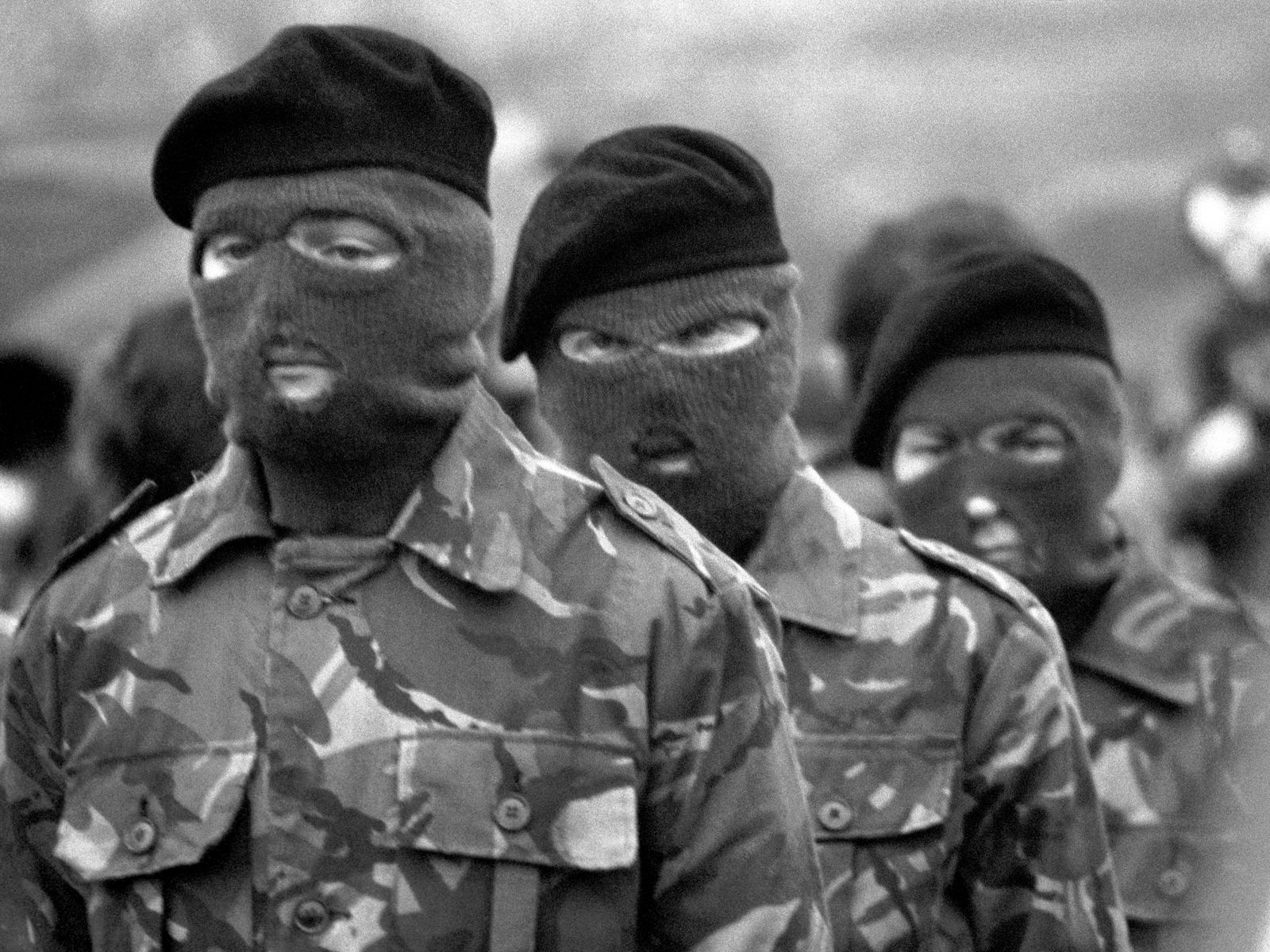
Gerry Adams, the former long-serving president of Sinn Féin, has emphatically denied being a member of the Provisional IRA while describing the organisation as “undefeated” and resilient against criminalisation efforts. His testimony came amid a high-profile legal case brought by victims of IRA bombings who accuse him of leadership involvement.
The Court Challenge: Allegations and Denials
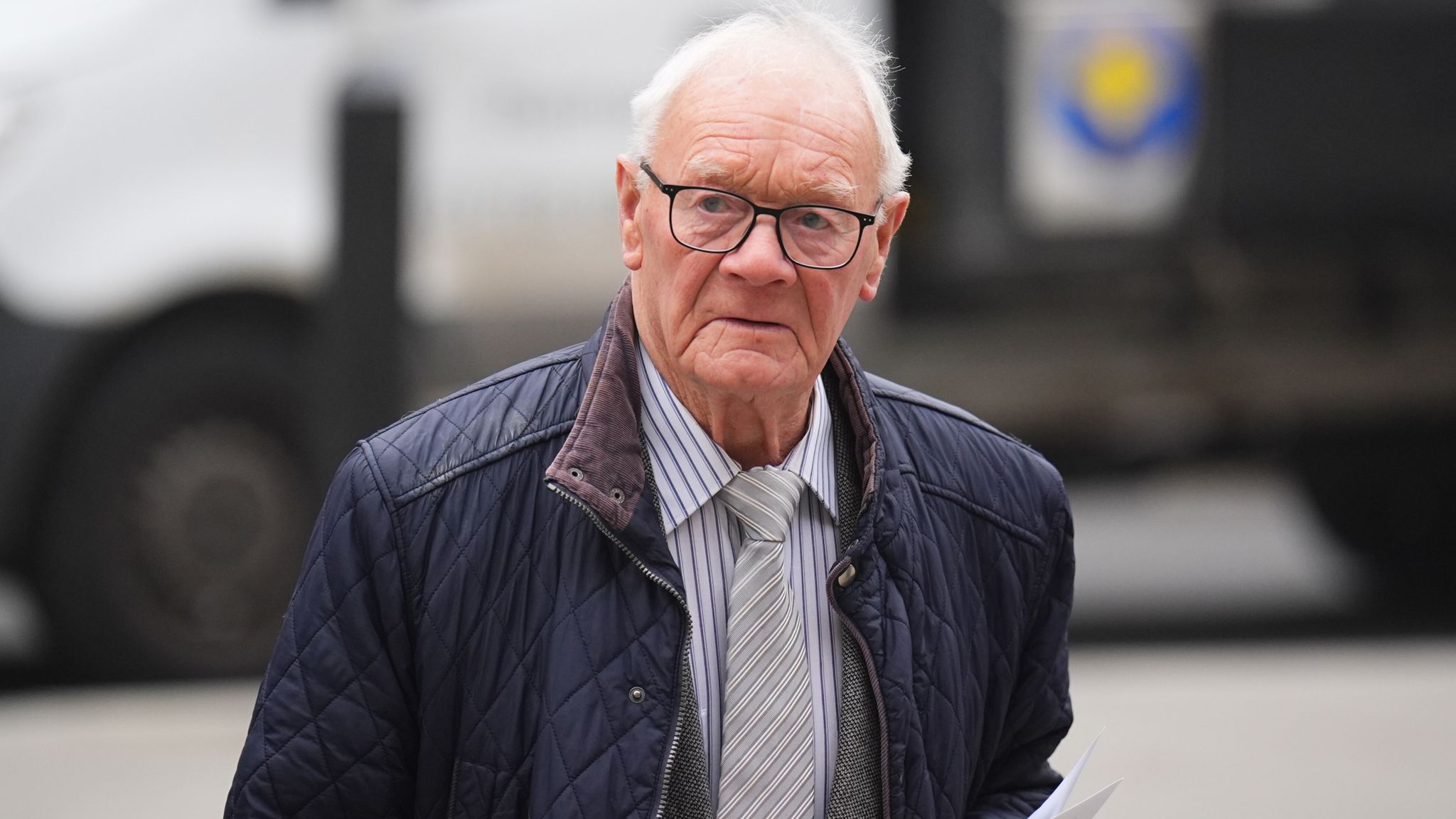
Adams, who led Sinn Féin from 1983 to 2018, faces legal claims from three men injured in separate IRA bomb attacks in the 1970s and 1990s. The victims—John Clark, Jonathan Ganesh, and Barry Laycock—assert that Adams was a senior IRA figure directing operations that led to their injuries and the deaths of others.
During his evidence, Adams rejected accusations of membership and command within the IRA. He was confronted with a statement from a 1980s solicitor claiming militants followed his orders, but Adams characterized this as “not accurate.” Instead, he praised the IRA’s resilience, saying, “They were undefeated, they defied all attempts to criminalise them, to coerce them.”
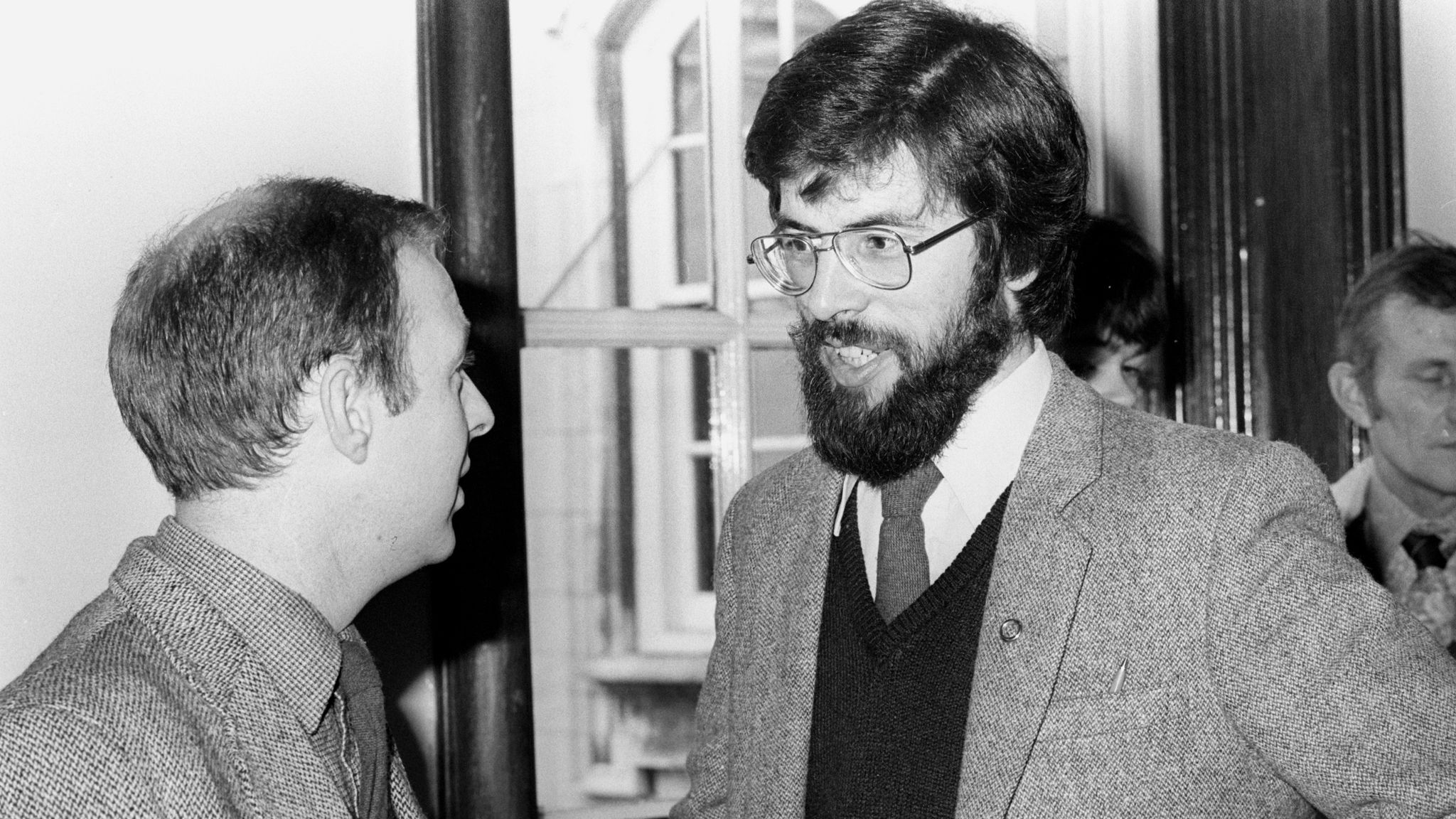
He also addressed remarks made by the late Brendan Hughes, a former IRA member and fellow prisoner, who described Adams as a “major, major player in the war.” Adams acknowledged his prominent role in Sinn Féin and the republican struggle but stopped short of confirming IRA membership. “I defended the use of armed struggle when I thought it was appropriate,” Adams said, emphasizing his influence was used to transition from conflict to peace.
Probing Adams’ Role and Relationships
The court explored Adams’ connections with other republican figures, including Martin Ferris, a known former IRA member and convicted gun runner. Adams expressed “great admiration” for Ferris and noted that Sinn Féin’s history includes many who moved from armed struggle to politics.
Adams also responded to a 1993 British government internal memo stating that the home secretary viewed him as being “at the nerve centre of the PIRA.” He denied this characterization, accusing the government of demonising those striving for peace. He insisted the authorities misrepresented his role and motivations.
Addressing the bombings themselves, Adams said he was “stunned by what happened” and “had no involvement whatsoever.” He expressed regret for the deaths and injuries but questioned the credibility of witnesses, suggesting they “have a vested interest.” When discussing those killed by the IRA, he acknowledged, “I do not stand by everything that they did, but these were my neighbours.”
The Victims’ Claims and Legal Context
The claimants’ cases focus on three significant bombings attributed to the Provisional IRA:
- The 1973 Old Bailey bombing in London, victimising John Clark.
- The 1996 London Docklands bombing, involving Jonathan Ganesh.
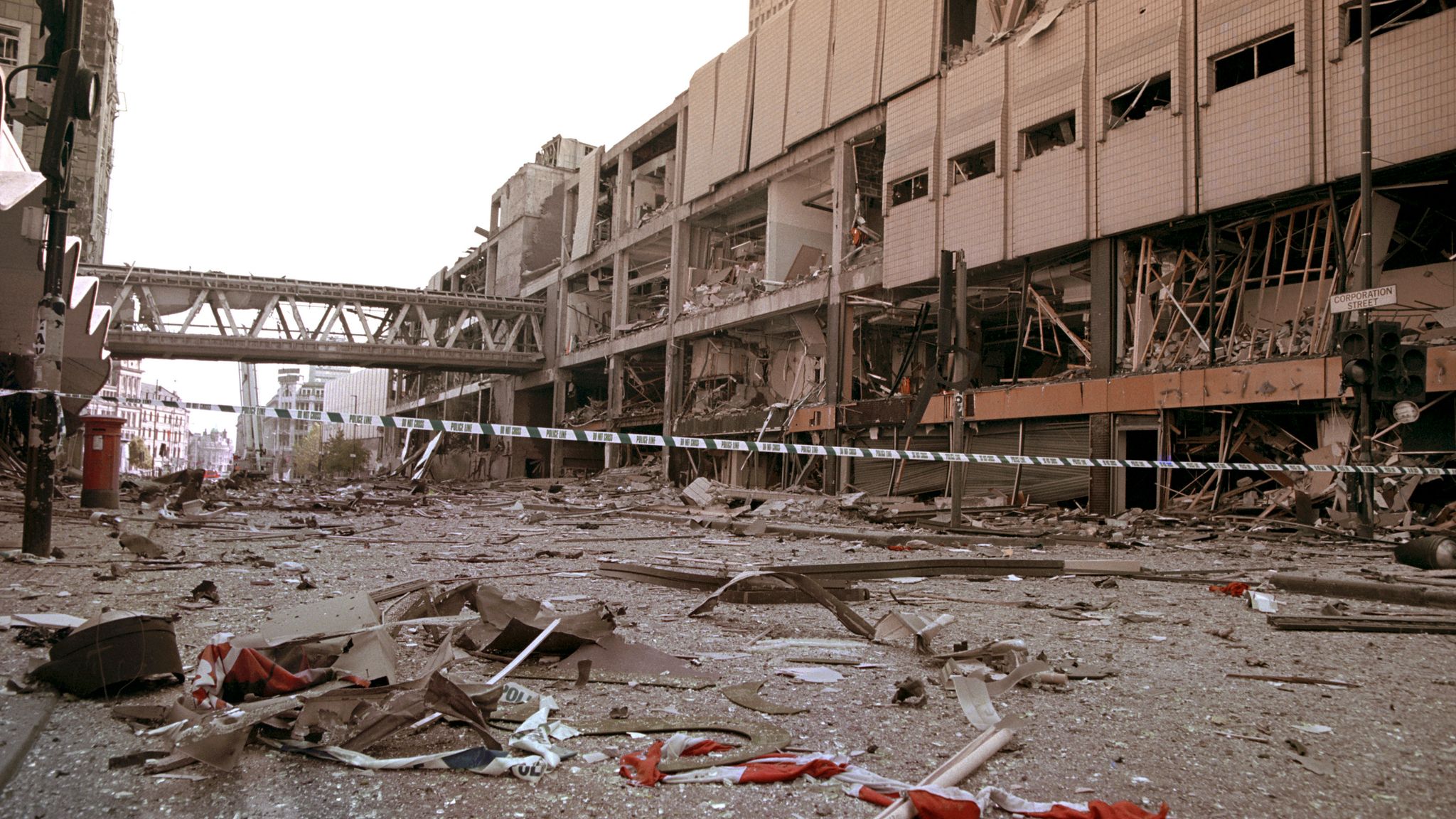
- The 1996 Arndale shopping centre bombing in Manchester, injuring Barry Laycock.
Pic: PA
Each victim alleges Adams was a leading IRA member responsible for orchestrating these attacks. They seek symbolic damages of £1, signaling their pursuit of justice and acknowledgment rather than financial compensation.
Adams denies all allegations of membership and direct involvement in any bombing. His defense counsel, Edward Craven KC, described the evidence against Adams as “extremely limited” and “bordering on non-existent,” emphasizing that the 6,000-page case file contains no document linking Adams to the bombings.
Conversely, Anne Studd KC, representing the victims, argued that, for figures like Adams, being part of Sinn Féin or the IRA was effectively indistinguishable. She claimed Adams held “a foot in each camp” and was “directly responsible for and complicit” in decisions to target British mainland locations with bombs during the 1970s and 1990s.
Why This Case Matters
This legal battle touches on deep historical wounds and the contested legacy of the Troubles in Northern Ireland. Gerry Adams remains a polarising figure—hailed by many as a peacemaker and political leader, yet accused by others of complicity in violent campaigns.
The case forces renewed scrutiny on the blurred lines between Sinn Féin’s political activism and the IRA’s paramilitary activities. It raises complex questions about accountability, reconciliation, and the ongoing impact of decades-old violence on victims and communities.
As the trial continues, it offers a rare courtroom examination of one of the most significant figures in Irish republican history and the violent conflict that shaped modern Northern Ireland.
Looking Ahead
Gerry Adams concluded his testimony in court recently, with the trial expected to wrap up later in March. The outcome may influence public understanding of Adams’ role and contribute to broader discussions on justice and peace in post-conflict Northern Ireland.
Regardless of the verdict, the case highlights the enduring pain caused by the IRA bombings and the persistent quest by victims for recognition and closure.