

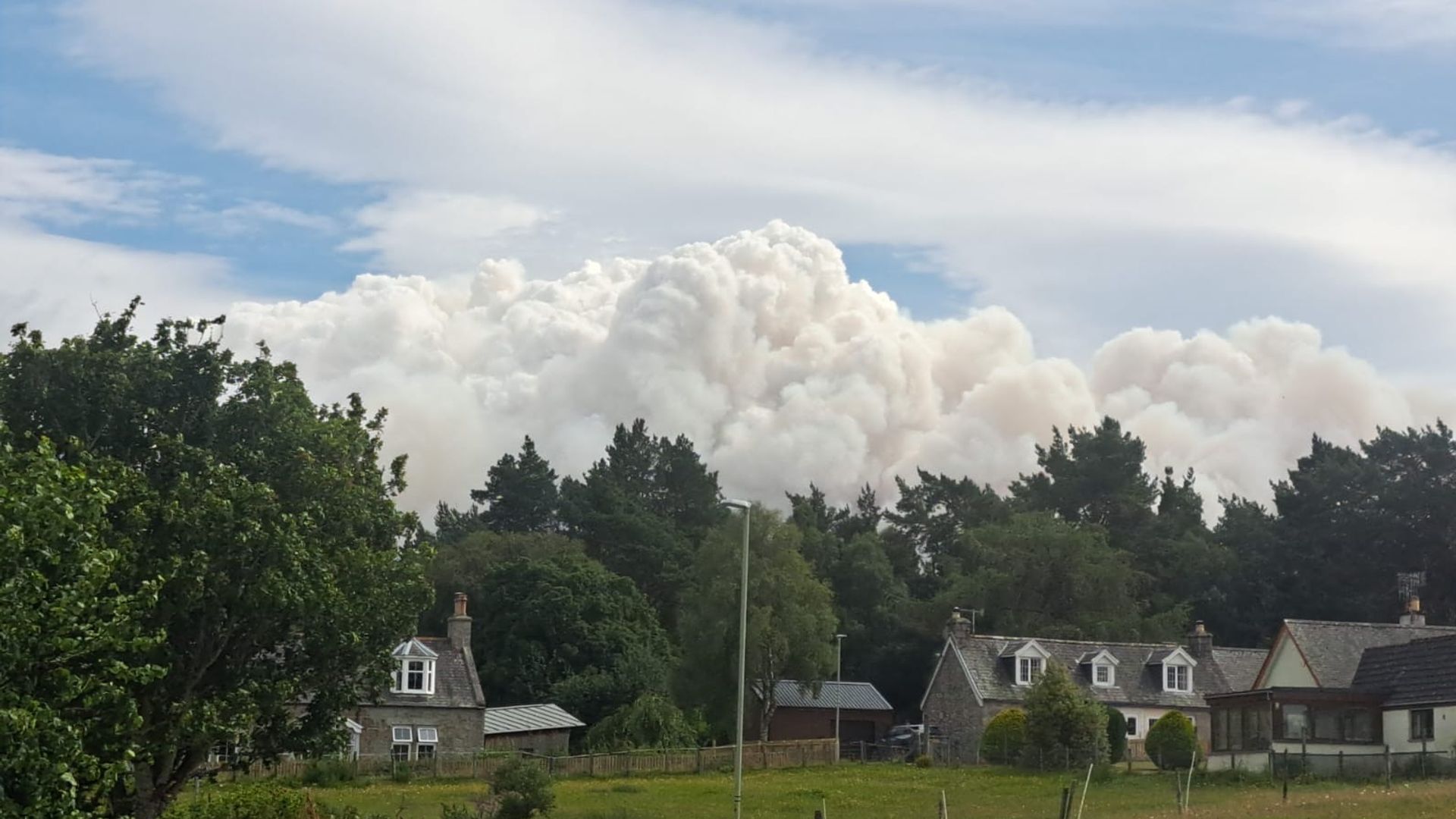
Residents in a small village within the Cairngorms region are grappling with overwhelming frustration and anger following mandatory evacuation orders amid a rapidly spreading wildfire. The thick smoke, described by locals as “apocalyptic,” has severely impacted daily life and heightened fears about the fire’s destructive potential.
What Sparked the Evacuations and How the Wildfire Unfolded
The wildfire in the Cairngorms National Park, one of Scotland’s most treasured natural landscapes, has surged unexpectedly due to dry conditions and strong winds. Emergency services issued evacuation orders to protect residents from the advancing flames and hazardous smoke inhalation. The evacuation affects a tight-knit community where many inhabitants have lived for generations, intensifying the emotional toll.
Local authorities coordinated swift responses, including deploying firefighting teams, air support, and emergency shelters. Despite these efforts, the fire’s size and intensity have posed significant challenges. The smoke plume has darkened skies and impaired visibility, prompting health warnings and disrupting daily routines across the area.
Residents’ Perspectives: Anger and Anxiety Amid Crisis
People forced to leave their homes express a mix of anger, frustration, and deep concern. Many describe the experience as traumatic, not only due to the immediate danger but also because of uncertainty about when they can safely return. The loss of access to their properties has sparked anxiety about potential damage and the loss of irreplaceable belongings.
Some residents have criticized communication from officials, feeling that evacuation orders were issued with little warning or explanation. Others have voiced worries about the long-term impact on the local environment, tourism, and livelihoods dependent on the natural beauty of the Cairngorms.
Community leaders urge calm and cooperation, emphasizing that safety remains the priority. Meanwhile, volunteers and neighbors have mobilized to support evacuated families, providing temporary accommodations and essential supplies.
Why This Wildfire Matters: Environmental and Social Implications
The Cairngorms wildfire underscores the growing vulnerability of even northern and temperate regions to severe wildfires, a phenomenon increasingly linked to climate change and shifting weather patterns. Dry spells and unseasonably warm temperatures create conditions ripe for such destructive events.
Beyond immediate risks to life and property, wildfires disrupt fragile ecosystems, threatening rare flora and fauna unique to the Cairngorms. The economic repercussions also ripple through local businesses, particularly those reliant on tourism, which is a significant revenue source for the Highlands.
Officials and environmental experts stress the importance of investing in wildfire prevention, early detection, and community preparedness. This event highlights the urgent need for adaptive strategies to protect both people and landscapes as climate challenges intensify.
Looking Ahead: Recovery and Resilience
As firefighting efforts continue, residents and authorities face the daunting task of recovery and rebuilding. Assessments of property damage and environmental impact will guide restoration initiatives. Support networks remain crucial to help displaced individuals regain stability.
This wildfire serves as a poignant reminder of nature’s power and the necessity for robust emergency planning. While the immediate danger may eventually subside, the lasting effects on the community and the Cairngorms ecosystem will require sustained attention and resources.
What this means: The Cairngorms wildfire crisis is a wake-up call for communities and policymakers alike, highlighting the intertwined challenges of climate change, public safety, and environmental stewardship. Strengthening resilience and fostering community solidarity will be vital in facing future threats.