

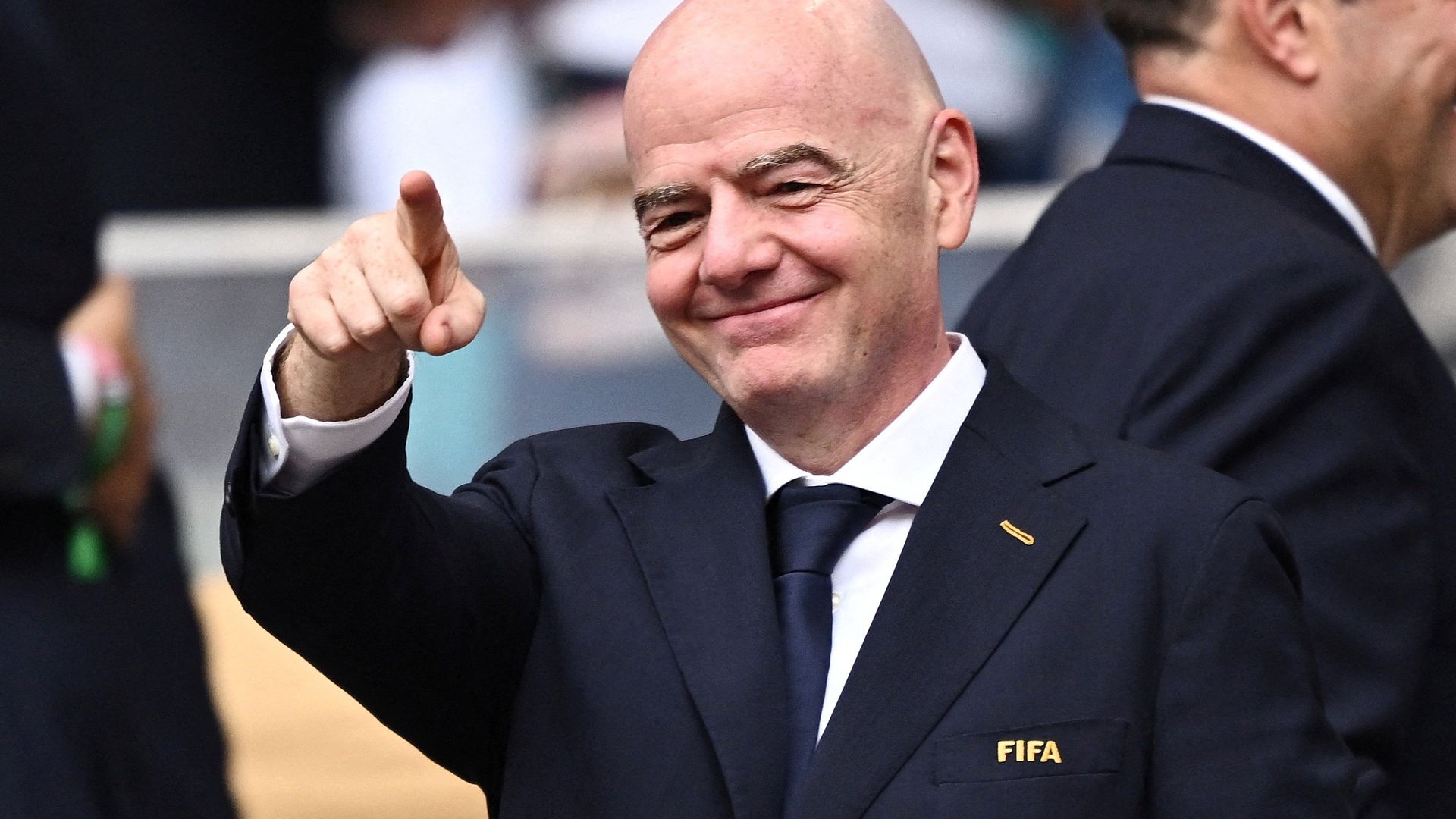
Gianni Infantino, the current president of FIFA, is encountering mounting resistance that threatens his hold on the organization’s top position. Tensions have escalated sharply after several European football associations vowed to boycott the World Cup if Infantino proceeds with controversial plans to sell a stake of the tournament to private investors.
What Sparked the Backlash Against Infantino?
Infantino’s leadership has come under intense scrutiny following revelations about his proposal to partially privatize the World Cup. This move involves opening up the prestigious global tournament to external investors, a strategy that many footballing nations view as a dangerous commercialization of the sport’s most cherished event.
European football powerhouses, whose national teams have traditionally dominated the World Cup stage, have voiced strong opposition. They argue that handing over control to private entities could compromise the integrity, accessibility, and global appeal of the competition. These countries threaten a boycott — a drastic measure that would disrupt FIFA’s plans and signal a profound rift within the international football community.
The boycott threat is not just symbolic; it reflects deep dissatisfaction with Infantino’s governance style and strategic direction. Many insiders see his push for privatization as prioritizing financial gain over the sport’s values and the interests of fans worldwide.
Why This Matters: The Stakes for FIFA and World Football
The World Cup stands as the pinnacle of international football, uniting billions of fans across continents every four years. Any move to privatize it could reshape the tournament’s structure, influence broadcasting rights, and alter how revenues are distributed among FIFA and participating nations.
Infantino’s plan, if implemented, might attract significant investment that could modernize some aspects of the tournament. However, it risks alienating member associations and supporters who fear that the sport could become too commercialized and lose its traditional spirit.
Moreover, the proposed privatization raises questions about governance and transparency. Critics worry that involving private investors could reduce FIFA’s accountability and complicate decision-making processes. This is particularly sensitive given FIFA’s history of corruption scandals, which have already strained the organization’s credibility.
European nations’ boycott threat highlights the fragile balance FIFA must maintain between innovation and tradition. It also underscores the political dimension of Infantino’s presidency, as he now faces dissent not only from outside but also within the federation’s influential European bloc.
The Future of Infantino’s Presidency and FIFA’s Direction
Infantino’s rapid loss of support marks a critical juncture for FIFA. The pushback from Europe could severely weaken his position ahead of upcoming elections and governance decisions. Losing the backing of key footballing countries diminishes his ability to steer FIFA’s agenda and implement controversial reforms.
FIFA’s member associations will likely demand greater consultation and transparency in decisions about the World Cup’s future. This backlash could force Infantino to reconsider or delay any plans involving private investment in the tournament.
As this standoff unfolds, the global football community watches closely. The outcome will significantly impact FIFA’s reputation and the sport’s global governance model. It may also set precedents for how football’s biggest events balance commercial interests with the passion and loyalty of fans.
Ultimately, the controversy surrounding Infantino’s presidency highlights the complex challenges facing modern football administration. Balancing financial growth with the sport’s core values remains a delicate task—one that FIFA’s leadership must navigate carefully to preserve football’s universal appeal.
What This Means for Fans and the Sport’s Future
For fans worldwide, this dispute signals uncertainty about the next World Cup and the future of international football. Supporters cherish the tournament’s inclusivity and cultural significance. Any disruption or drastic change risks undermining the excitement and unity the World Cup fosters.
Going forward, FIFA must engage more openly with its member nations and supporters to rebuild trust. Infantino’s ability to adapt his vision and address concerns will be pivotal in maintaining FIFA’s legitimacy and ensuring football’s continued growth on the world stage.
The coming months will reveal whether Infantino can regain confidence or if the opposition will force a leadership change. Either way, the debate over the World Cup’s commercialization will shape football’s trajectory for years to come.