Glasgow City Council has halted its contentious proposal to dismiss and subsequently rehire over 23,000 employees under new contractual terms. This significant development follows a series of “constructive” discussions involving the council, the Scottish government, and several key trade unions, signaling a potential shift in one of the largest workforce restructuring efforts in recent UK public sector history.
The Fire-and-Rehire Proposal: What It Entailed
Earlier this year, Glasgow City Council announced its intention to implement a sweeping employment restructuring strategy. This plan would have seen more than 20,000 council workers—spanning a wide range of roles from frontline public services to administrative positions—terminated and then rehired on revised contracts. The council argued that these new contracts were essential to modernize service delivery, manage budget constraints, and address evolving workforce demands.
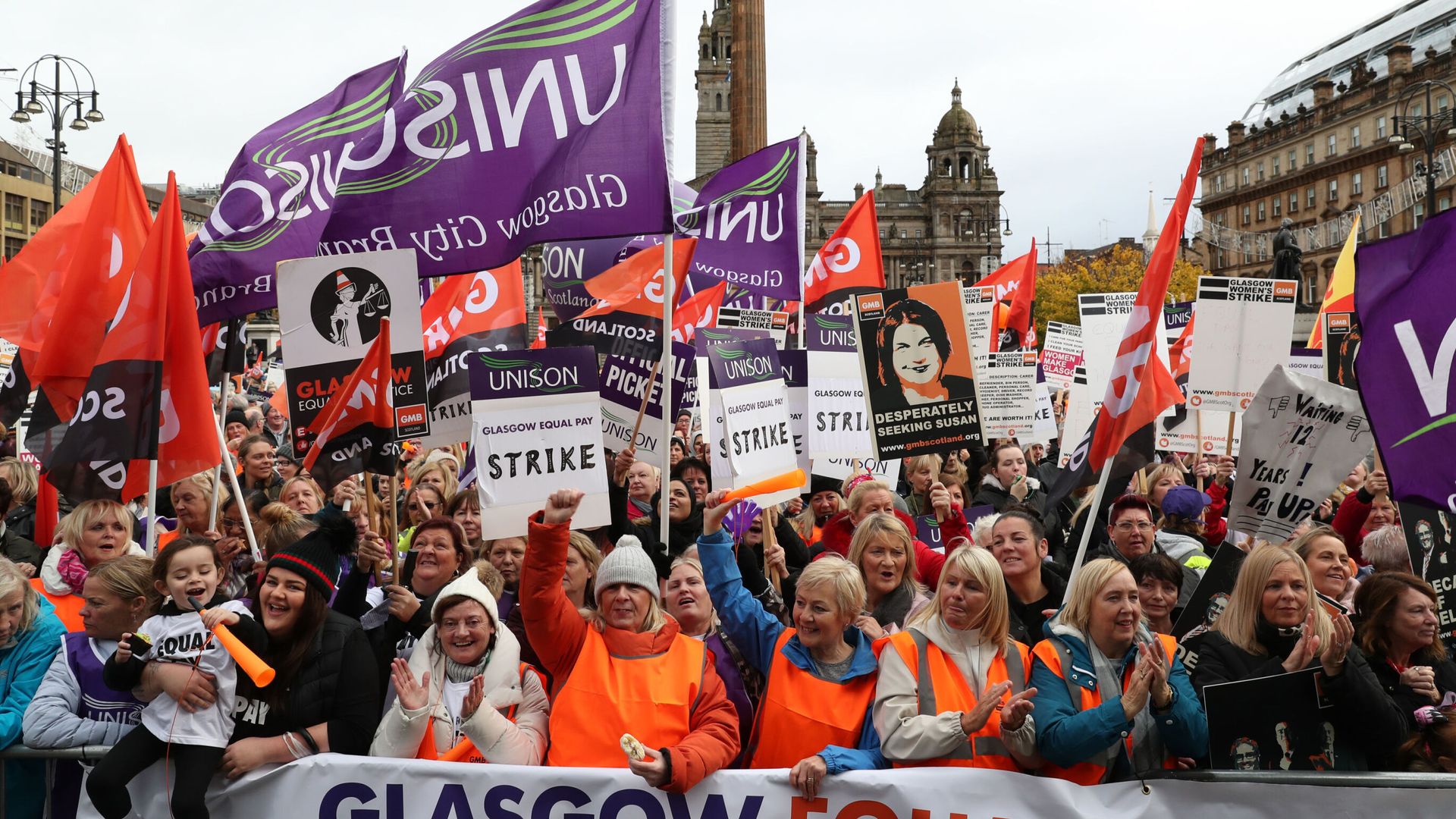
However, the approach sparked immediate backlash from trade unions, employees, and community groups. Critics labeled the fire-and-rehire tactic as heavy-handed and damaging to worker morale, accusing the council of leveraging job security as a bargaining chip. Unions warned that such measures could lead to widespread industrial action and further strain the already stretched public services serving Glasgow’s population of nearly 650,000.
Constructive Talks Lead to a Pause
In a surprising and welcome turn, Glasgow City Council has now announced a pause on this controversial plan. The decision follows a series of intensive negotiations involving representatives from the council, the Scottish government, and multiple trade unions representing council staff.
A council spokesperson described the discussions as “constructive,” highlighting a mutual willingness to explore alternative solutions that avoid mass job terminations while still addressing the council’s financial and operational challenges. The Scottish government’s involvement underscored the significance of the issue, given the potential impact on public service continuity and employment levels across the city.
The pause allows all parties to engage in further dialogue, seeking a balanced resolution that respects workers’ rights and maintains the council’s commitment to efficient public service delivery. It also reflects growing recognition of the complexities involved in implementing large-scale workforce reforms in the public sector, where labor relations and community trust are pivotal.
Why This Matters: Implications for Workers and Public Services
The proposed fire-and-rehire strategy at Glasgow City Council was one of the most ambitious and controversial employment restructurings in the UK public sector in recent years. The sheer scale—affecting over 23,000 workers—meant this was not just a local issue but a potential bellwether for other councils grappling with budget pressures and workforce modernization.
For council employees, the plan introduced significant uncertainty and anxiety around job security, contract terms, and workplace conditions. The pause offers a critical opportunity to foster trust and collaboration between management and labor representatives, which could lead to more sustainable and equitable solutions.
For the citizens of Glasgow, the outcome influences the quality and stability of essential public services, from education and social care to waste management and community safety. Disruptions caused by industrial disputes or workforce instability could have far-reaching consequences for vulnerable populations who rely heavily on council services.
What’s Next for Glasgow City Council and Its Workforce?
With the plan officially on hold, attention now turns to ongoing negotiations. Stakeholders will likely focus on finding innovative approaches that balance fiscal responsibility with respect for workers’ rights and wellbeing. This may involve phased contract changes, enhanced consultation processes, or alternative cost-saving measures that do not involve mass dismissals.
Trade unions are expected to push for guarantees against compulsory redundancies and seek assurances that any changes will protect job security and working conditions. Meanwhile, the council must demonstrate transparency and flexibility to rebuild confidence among its workforce and the wider community.
Given the scale and complexity of this issue, the coming weeks and months will be crucial in shaping Glasgow’s public sector employment landscape. The outcome could set precedents for how other local authorities approach workforce reform amid financial pressures and evolving public service demands.
Looking Ahead
The suspension of Glasgow City Council’s fire-and-rehire plan marks a significant moment in public sector labor relations. It highlights the power of dialogue and cooperation in resolving contentious issues that affect thousands of workers and the communities they serve.
As negotiations continue, the focus will be on crafting solutions that uphold fair employment practices while ensuring sustainable, high-quality public services for Glasgow’s residents. This case serves as a vital reminder of the delicate balance between fiscal management and human impact in the realm of local government employment.