

The UK government has committed to directly funding the removal of 48,000 tonnes of illegally dumped waste across multiple sites in northern England, marking a decisive response to growing concerns about waste crime and its impact on local communities. This bold move follows criticism over a perceived north-south divide in tackling environmental neglect and waste management enforcement.
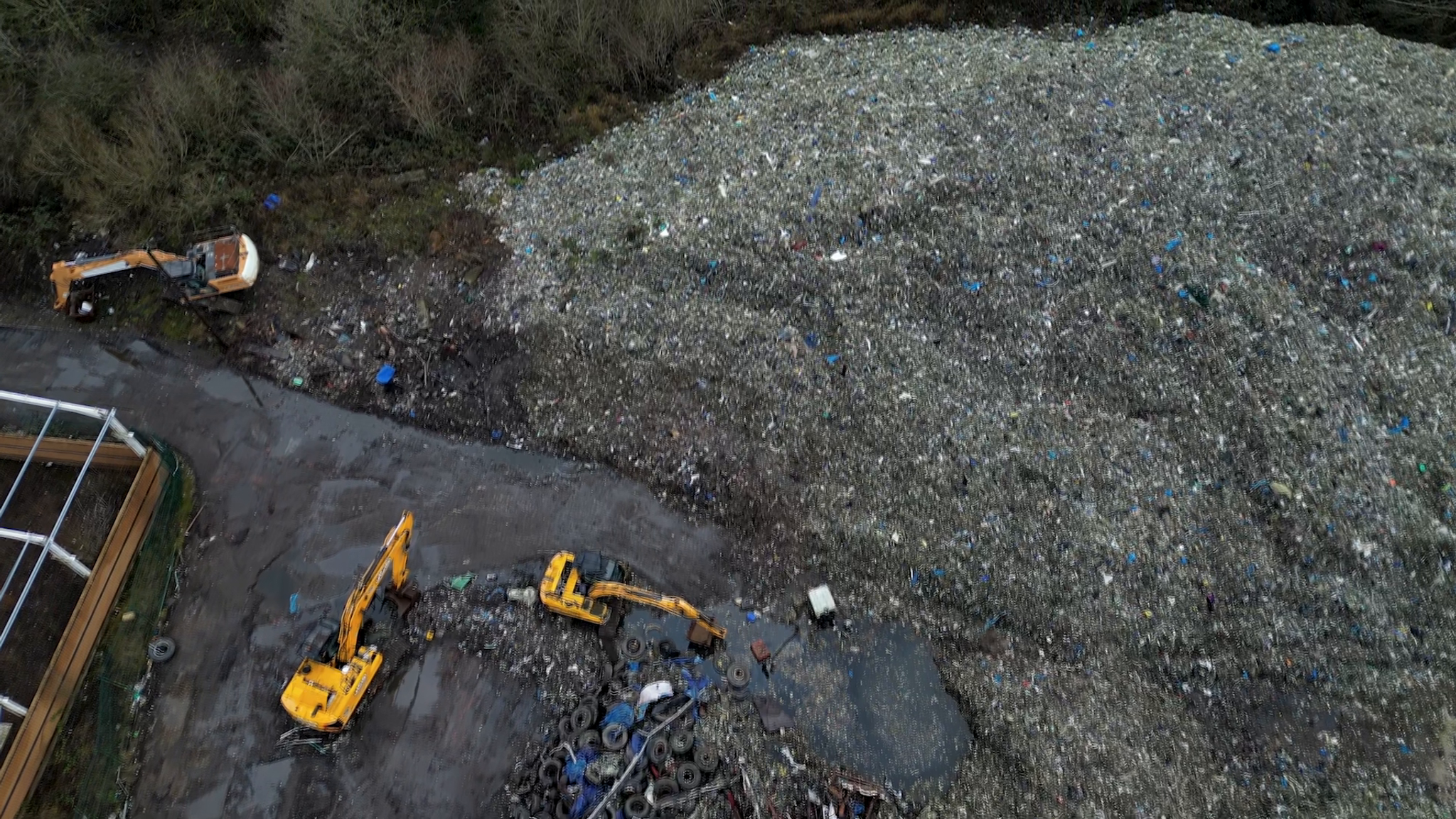
Illegal Waste Sites in Northern England Trigger Urgent Action
Communities around Bickershaw, near Wigan, have endured severe consequences from unchecked illegal dumping, including rat infestations and environmental degradation. Residents say they felt abandoned by the Environment Agency in the face of mounting waste problems that have blighted their neighborhoods.

The government’s decision to fund the clean-up comes shortly after allocating £9 million to clear a similarly sized illegal waste site in Kidlington, Oxfordshire. This parallel action aims to address accusations of unequal attention and resources between northern and southern England.
The northern cleanup encompasses sites in Wigan, Sheffield, and Lancashire, reflecting a wider crackdown spearheaded by the Department for Environment, Food and Rural Affairs (DEFRA) and the Environment Agency. Officials describe these efforts as part of the “toughest ever crackdown” on waste criminals, signaling a zero-tolerance approach.
DEFRA’s 10-Point Plan: Technology and Tougher Enforcement
Environment Secretary Emma Reynolds emphasized the government’s commitment: “Waste criminals have been damaging our communities, countryside, environment and economy for too long. This action plan sends a clear message: dump illegally and you will face the full consequences.”
At the core of this initiative is a comprehensive 10-point plan designed to revamp how waste crime is detected, investigated, and prosecuted. Key components include faster intelligence handling, a more consistent and rapid response to reports of illegal dumping, and public naming and shaming of offenders.
Innovative tools are playing a critical role. A newly established drone squad, equipped with laser scanners, thermal imaging, and high-resolution cameras, enhances evidence-gathering capabilities. This team of 33 trained pilots can capture detailed aerial imagery of illegal dumps, providing compelling evidence for prosecutions.
James Burton, one of the drone pilots, explained how the technology helps: “It paints the picture of the significant level of impact this has had on the countryside and enables us to better sell the story to a jury and the judge.”

Environment Agency director Steve Molyneux highlighted intensified collaboration with police, HM Revenue and Customs, and local authorities to dismantle organized waste crime networks. “We’ll be working with our partners to bear down on these criminals,” he said. Early intervention is now a priority, with powers to impose site restriction orders swiftly to halt dumping activities before they escalate.
Tackling the Root Causes and Community Frustrations
Despite the ambitious plans, critics and local residents remain wary. Many have previously reported illegal dumping only to see little action, allowing waste sites to grow into costly mega dumps. The government acknowledges these challenges but insists the new measures will improve prevention and enforcement.
The Environment Agency is introducing a dedicated intelligence unit to better coordinate information gathering and enforcement actions, including suspending or revoking permits for offenders. New “clean-up squads” will require fly-tippers given conditional cautions by local authorities to spend up to 20 hours clearing dumped waste, holding perpetrators directly accountable.
EA officers will also gain enhanced powers similar to those of the police, such as seizing assets and searching premises without a warrant, enabling them to act more decisively against waste criminals.
However, a senior waste industry executive dismissed the crackdown as insufficient, calling waste crime “the easiest fraud opportunity ever” and implying that organized gangs remain confident in exploiting loopholes.
Parliamentary Oversight and the Road Ahead
Baroness Sheehan, chair of the House of Lords Environment and Climate Change Committee, welcomed the government’s announcements but cautioned that effective enforcement depends on how these powers are applied in practice. “The Environment Agency has had sufficient powers in the past but has failed to use them,” she noted.
She emphasized that the new budget and authority require the agency to “step up to the plate” and deliver meaningful results. The Committee plans to question Environment Agency chief executive Philip Duffy on the implementation of these enforcement strategies in the coming week.
Why This Matters
Illegal waste dumping not only scars the environment but also threatens public health, disrupts communities, and undermines legitimate businesses complying with costly landfill taxes. The government’s new funding and enforcement strategy represents a significant escalation in tackling this pervasive crime.
By prioritizing early detection, leveraging advanced technology, and holding offenders directly accountable, these measures aim to dismantle entrenched criminal networks profiting from waste crime. For northern communities long suffering from neglect, this initiative offers a hopeful path toward cleaner, safer surroundings.
Yet, the success of this crackdown will rely heavily on sustained political will, effective collaboration among agencies, and responsiveness to community reports. The coming months will reveal whether this ambitious plan can translate into tangible improvements on the ground or remains another well-intentioned but insufficient response.