

The government is moving to tighten regulations on e-cigarette sales by introducing plain packaging and banning appealing flavour descriptions. These measures are designed specifically to reduce the attraction of vaping products to children, addressing growing concerns about youth vaping rates.
What Changes Are Being Proposed?
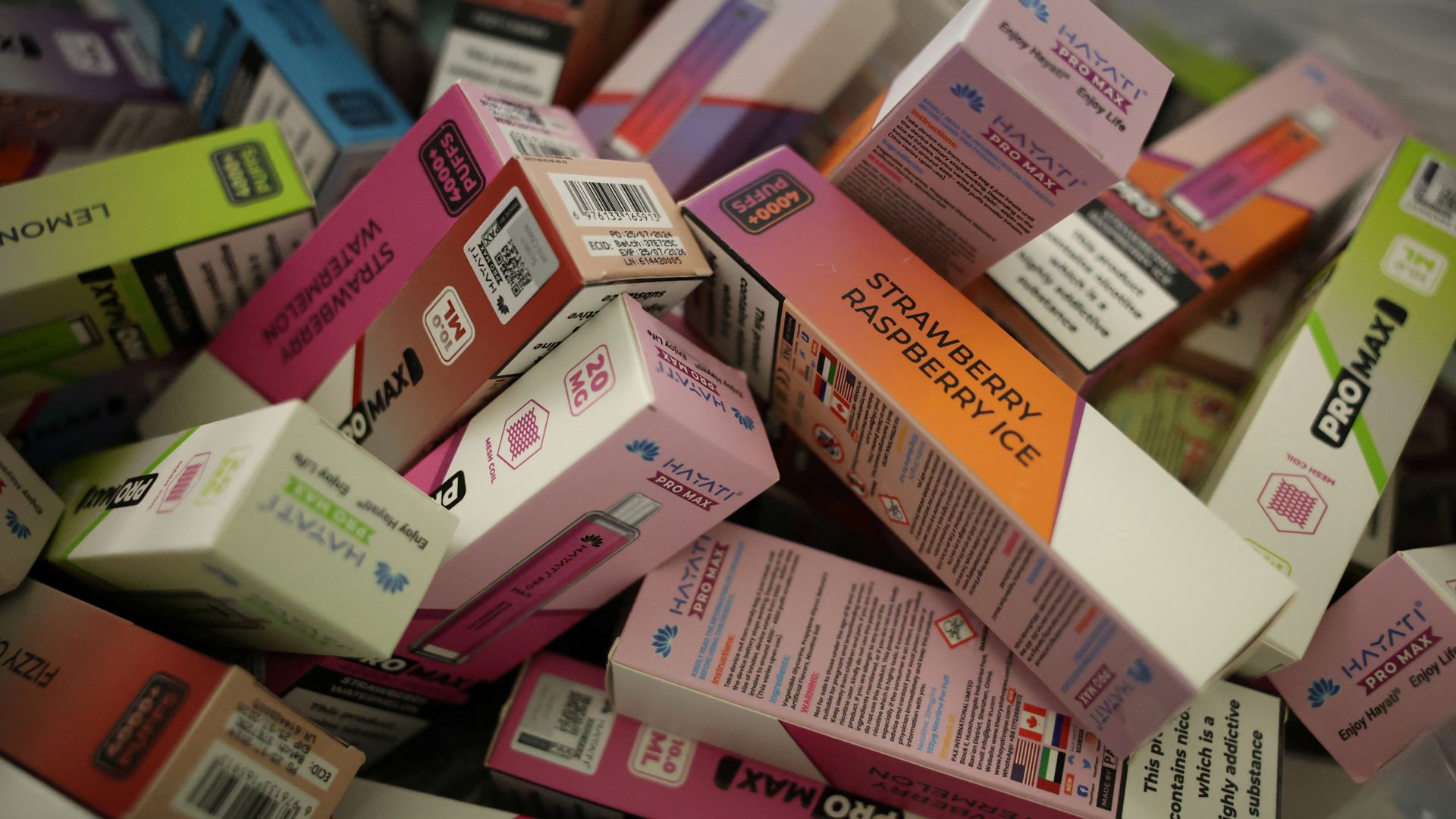
The new proposal mandates that all vape products must be sold in plain, standardized packaging. This means manufacturers will no longer be able to use bright colors, logos, or distinctive branding on vape devices and e-liquid bottles. Instead, packaging will feature a uniform design intended to minimize visual appeal, especially among young consumers.
In addition to packaging restrictions, the proposal calls for a ban on flavour descriptions that could entice children. Descriptions such as “cotton candy,” “bubblegum,” or “fruit blast” would be prohibited, limiting marketing language to neutral, factual terms only. This aims to reduce the allure of vaping flavours that mimic popular candy or desserts, which are often cited as a reason for young people to start vaping.
Why Target Flavours and Packaging?
Health officials have raised alarms about the rapid rise in e-cigarette use among teenagers. Studies have shown that sweet and fruity flavours are a major factor in youth initiation of vaping. Flavours like mango, mint, and vanilla are especially popular among younger users, making vaping seem less harmful and more appealing.
Plain packaging has proven effective in reducing the attractiveness of tobacco products to minors. By applying similar rules to e-cigarettes, regulators hope to curb youth interest before it translates into long-term nicotine addiction. The government’s move reflects a growing consensus that vaping companies have targeted young people through marketing tactics resembling those once used by tobacco firms.
What This Means for Consumers and the Industry
If enacted, the new regulations will significantly change the appearance and marketing of vaping products across retail outlets. Consumers will no longer see eye-catching boxes or creative flavour names on vape products. Instead, packaging will be uniform and flavour labels straightforward, emphasizing the product’s nicotine content and health warnings.
For vape manufacturers and retailers, this will require compliance with stricter packaging standards and a shift in marketing strategies. Smaller vape shops and online sellers may face challenges adapting to the new design requirements. However, public health advocates argue that these changes are necessary to protect children and reduce the risk of nicotine addiction among youth.
Critics of vaping regulation contend that flavour restrictions could push adult vapers back to traditional cigarettes or the black market. Nevertheless, government officials emphasize that the priority is preventing new generations from becoming addicted to nicotine in any form.
Looking Ahead: The Fight Against Youth Vaping
The proposed plain packaging and flavour description ban are part of a broader effort to combat the vaping epidemic among young people. By limiting the marketing appeal of e-cigarettes, authorities hope to decrease the number of teenagers experimenting with and regularly using these products.
Ongoing public health campaigns and education about the risks of vaping will complement regulatory measures. Experts stress that reducing youth vaping requires a multi-faceted approach, combining policy, awareness, and enforcement.
As these proposals move through legislative processes, stakeholders—including public health groups, industry representatives, and consumers—will weigh in. The outcome will shape the future landscape of vaping in the country and its accessibility to younger audiences.
In conclusion, the government’s plan to enforce plain packaging and restrict flavour descriptions on vape products represents a decisive step to curb youth vaping. These changes aim to neutralize the marketing tactics that have enticed children toward e-cigarettes, prioritizing public health over industry interests. The success of this initiative could serve as a model for other countries grappling with similar challenges.