

The government has issued a directive to prison staff across the country, urging them to remain vigilant for any signs of unrest or “stability issues” within correctional facilities. This alert comes in response to recent delays affecting the early release dates of prisoners, raising concerns about potential tensions inside jails.
Background: Delays in Early Release and Their Impact
Early release programs play a crucial role in managing prison populations and supporting rehabilitation efforts. However, recent administrative hold-ups have caused unexpected postponements in scheduled releases, disrupting the anticipated flow of inmates transitioning back into society. These delays have not only extended the time some prisoners must remain incarcerated but also risk undermining trust in the system.
Prison authorities fear that the hold-ups could heighten frustration among inmates, who often rely on early release as a critical milestone in their rehabilitation journey. Such frustration may manifest as unrest or instability inside the facilities, potentially escalating into disturbances if not addressed promptly.
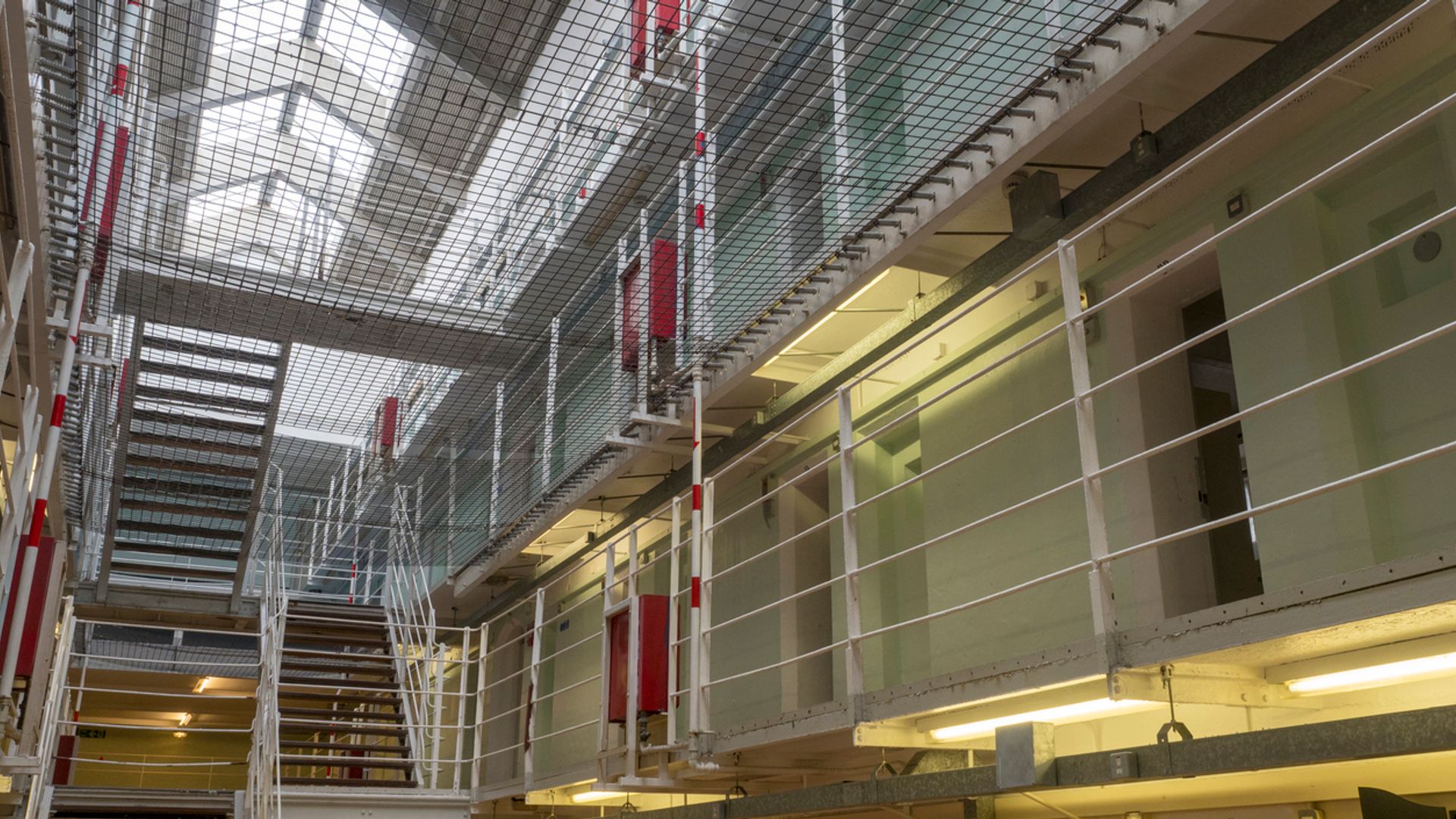
Government Response: Proactive Monitoring and Prevention
In light of these developments, the government has taken a proactive stance by instructing prison staff to closely monitor the atmosphere within their institutions. Officers and administrative personnel are expected to report any indicators of unrest, including increased agitation, organized resistance, or signs of collective dissatisfaction linked to the delays.
This strategy aims to enable rapid intervention, preventing isolated incidents from escalating into larger security challenges. By maintaining open lines of communication between prison staff and government officials, authorities hope to preserve order and ensure the safety of both inmates and personnel.
Why This Matters: The Stakes for Prison Management and Public Safety
Prisons function as complex environments where maintaining stability is essential for effective rehabilitation and security. Delays in early release can strain this delicate balance, affecting inmate morale and potentially compromising the smooth operation of facilities.
Moreover, any unrest inside prisons can have ripple effects beyond their walls, influencing public perception of the justice system and impacting community safety. Maintaining transparency and responsiveness in handling such issues is critical to upholding confidence in correctional institutions.
Looking Ahead: Challenges and Opportunities
Addressing the causes behind early release delays remains a priority for policymakers. Improvements in administrative processes and clear communication with prisoners can mitigate frustrations and help prevent future disruptions.
Meanwhile, the government’s request to prison staff demonstrates a commitment to anticipating and managing potential challenges before they escalate. This collaborative approach underscores the importance of frontline personnel in maintaining order and supporting rehabilitative goals within the prison system.
In summary, the government’s call for vigilance among prison staff highlights the delicate interplay between administrative decisions and prison stability. As delays in early release continue to pose risks, effective monitoring and swift response will be vital to preserving security and fostering an environment conducive to rehabilitation.