

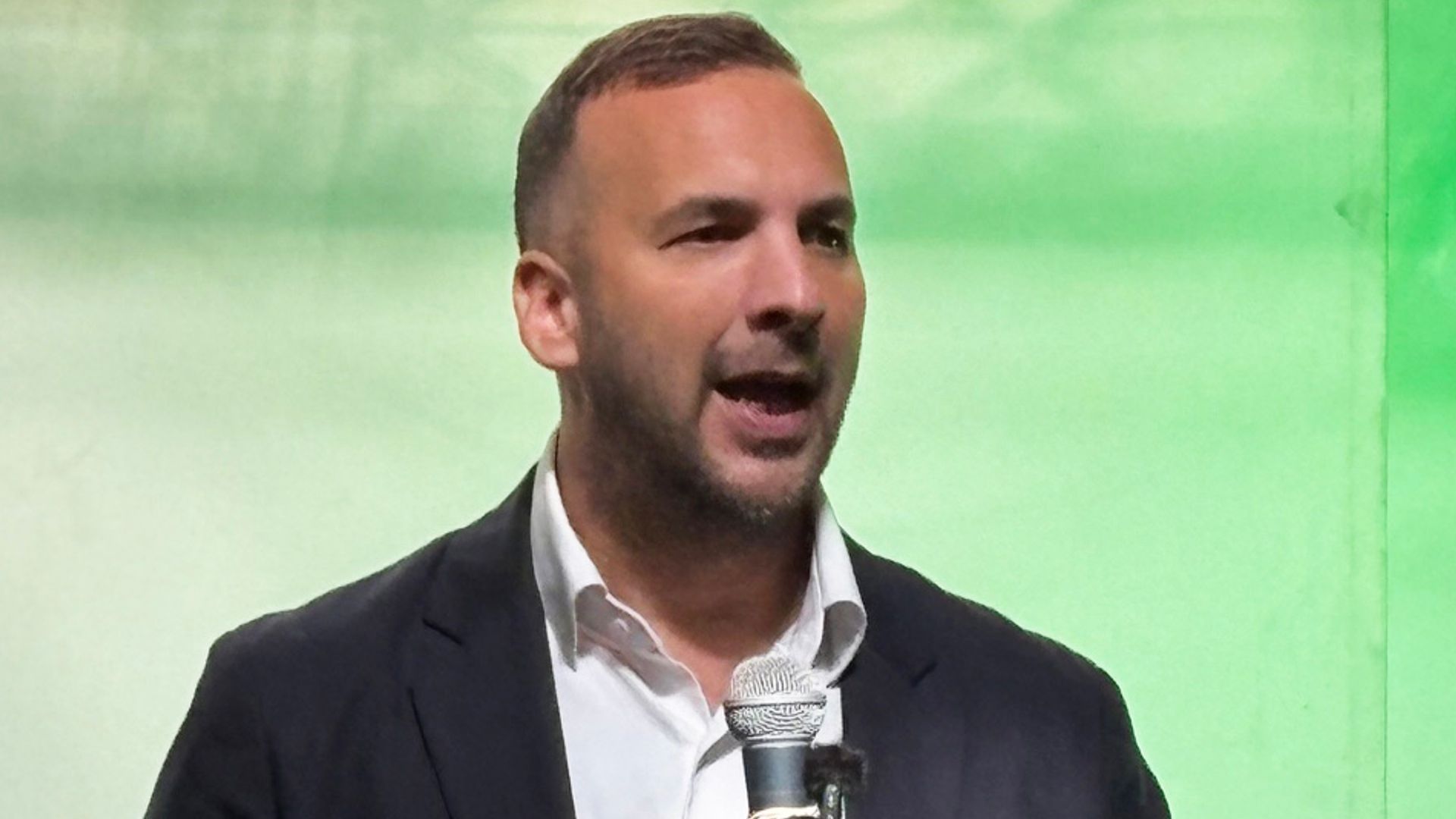
Zack Polanski, the Green Party leader, has sparked intense debate after refusing to apologize for sharing a provocative image depicting Nigel Farage beneath a guillotine. This polarizing act has reignited discussions about political expression, the limits of satire, and the responsibilities of public figures.
What Happened: The Farage Guillotine Controversy
The controversy centers on a graphic image circulated by Polanski that placed former UKIP leader Nigel Farage under a guillotine blade. The symbolic image evokes historical associations with the French Revolution’s violent justice and has been widely interpreted as a call for extreme political retribution.
Polanski’s sharing of this image came amid heightened political tensions surrounding Brexit and ongoing debates about Farage’s role in shaping UK politics. Critics argue that the image crosses a line, promoting violence and inciting hatred against a political opponent. Supporters contend it falls within the realm of political satire and free speech.
Despite mounting pressure from political commentators, media outlets, and fellow politicians, Polanski has declined to issue an apology. Instead, he defended his right to express strong political opinions through imagery that challenges the status quo.
Why It Matters: Political Expression and the Boundaries of Satire
This incident underscores the growing tension between freedom of expression and the responsibility public figures hold in shaping civil discourse. Political satire has a long tradition of pushing boundaries to challenge power and expose perceived injustices. However, the use of violent symbolism, especially in the current politically charged climate, raises questions about appropriate limits.
Polanski’s refusal to apologize highlights the broader debate about how politicians communicate dissent in an era where social media amplifies messages instantly and globally. Critics fear such imagery could contribute to a toxic political atmosphere, fueling division and potential real-world harm. Meanwhile, advocates of free speech argue that sanitizing political discourse risks muting vital voices and undermining democratic debate.
Moreover, the image’s timing and target—Nigel Farage, a divisive figure associated with Brexit and nationalist politics—intensifies the controversy. Farage’s supporters view the image as a personal threat, while opponents see it as a metaphorical challenge to his policies and ideology.
What Comes Next: The Political Fallout and Public Reaction
Following the incident, the Green Party has found itself navigating a delicate balance between defending its leader’s right to free expression and addressing public concerns over inciting violence. Some party members have distanced themselves from the imagery, emphasizing a commitment to respectful political dialogue.
Meanwhile, opposition parties have seized the opportunity to criticize Polanski and the Green Party, framing the incident as evidence of extremism within smaller political groups. This could influence voter perceptions ahead of upcoming local elections and mayoral races, including the Greater Manchester mayoral contest where Green candidate Geraldine Coggins recently launched her campaign.
The media spotlight on this controversy also pressures regulatory bodies and social media platforms to reconsider guidelines around political content, particularly images that may be interpreted as threatening or violent.
Takeaway: Navigating Free Speech and Political Responsibility
Zack Polanski’s refusal to apologize for the Farage guillotine image serves as a flashpoint in the ongoing conversation about the power and limits of political expression. While satire remains a crucial tool for democratic engagement, the use of violent symbolism challenges society to reflect on how political messages impact public discourse and safety.
As political tensions escalate, the incident emphasizes the need for politicians to balance passionate advocacy with responsible communication. The Green Party, like all political organizations, must weigh the implications of their leaders’ actions on both their public image and the broader health of political debate in the UK.
Ultimately, this episode is a reminder that in today’s hyperconnected world, every political statement carries significant weight—demanding thoughtful consideration and an awareness of the fine line between provocative critique and incitement.