

The sensitive medical data of approximately 500,000 British volunteers has been illicitly listed for sale on a major Chinese online marketplace, sparking serious concerns over data security and international research ethics. The UK government confirmed this alarming breach, revealing that the records stem from UK Biobank, the country’s premier health information database.
How the Data Leak Unfolded
On Thursday, Technology Minister Ian Murray informed the House of Commons that several sellers had advertised UK Biobank data on Alibaba’s e-commerce platforms, one of China’s largest online marketplaces. While the charity managing the Biobank assured that the exposed data did not include directly identifiable information such as participant names, addresses, phone numbers, or NHS numbers, the leaked datasets contained detailed demographic and health-related variables.
Specifically, the compromised information reportedly included gender, age, month and year of birth, socio-economic status, lifestyle habits, and a range of biological sample measurements. These data points, though anonymized, carry the risk of re-identification through sophisticated data analysis techniques, a possibility that both the government and UK Biobank acknowledged could not be entirely ruled out.
Mr. Murray stated that the government had engaged with the vendor responsible for the listings, who indicated that no purchases had been made before the listings were removed. Nonetheless, he emphasized caution, clarifying that while the risk of identifying individual participants was low, it was not zero.
UK Biobank and Its Crucial Role in Medical Research
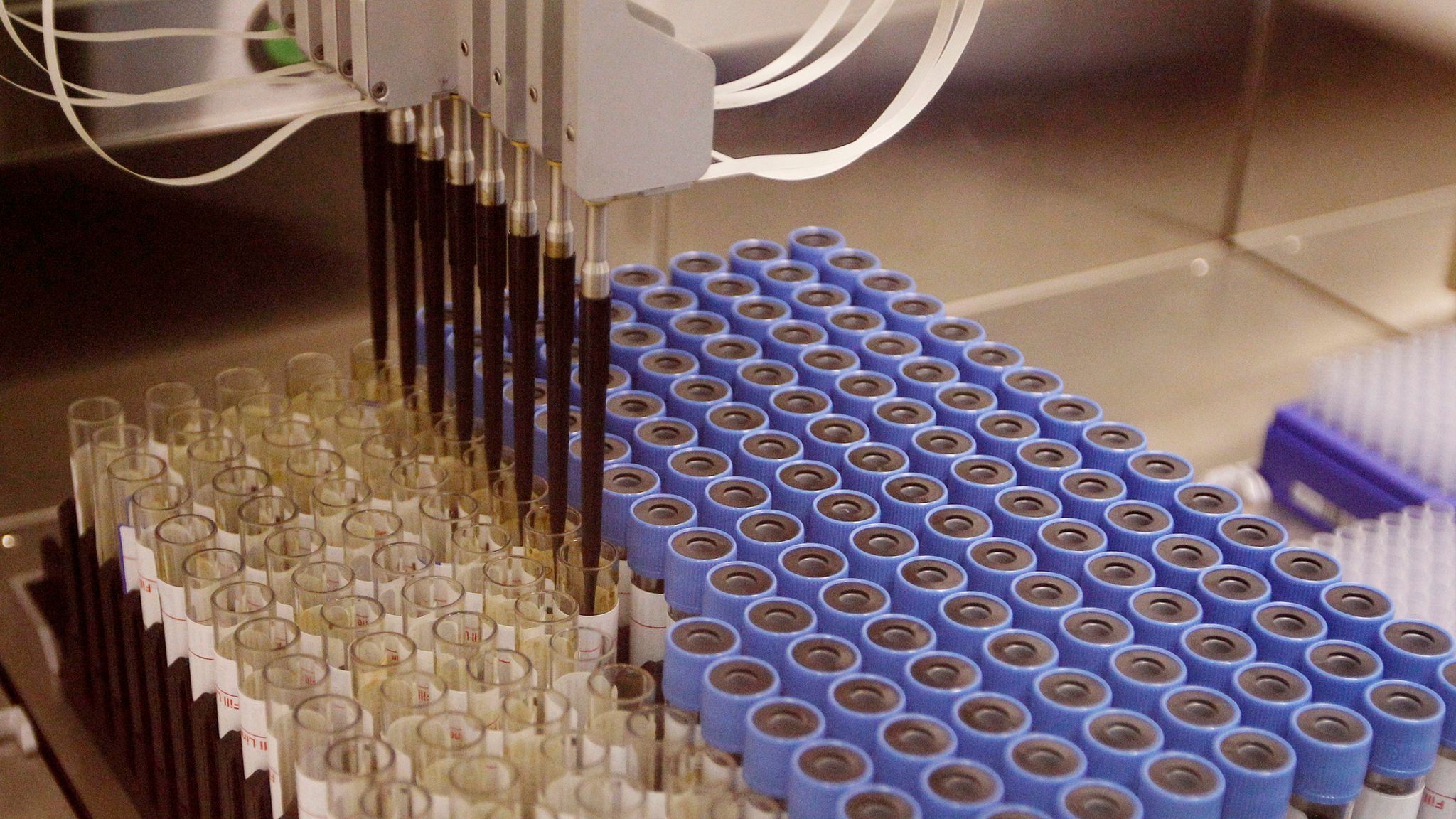
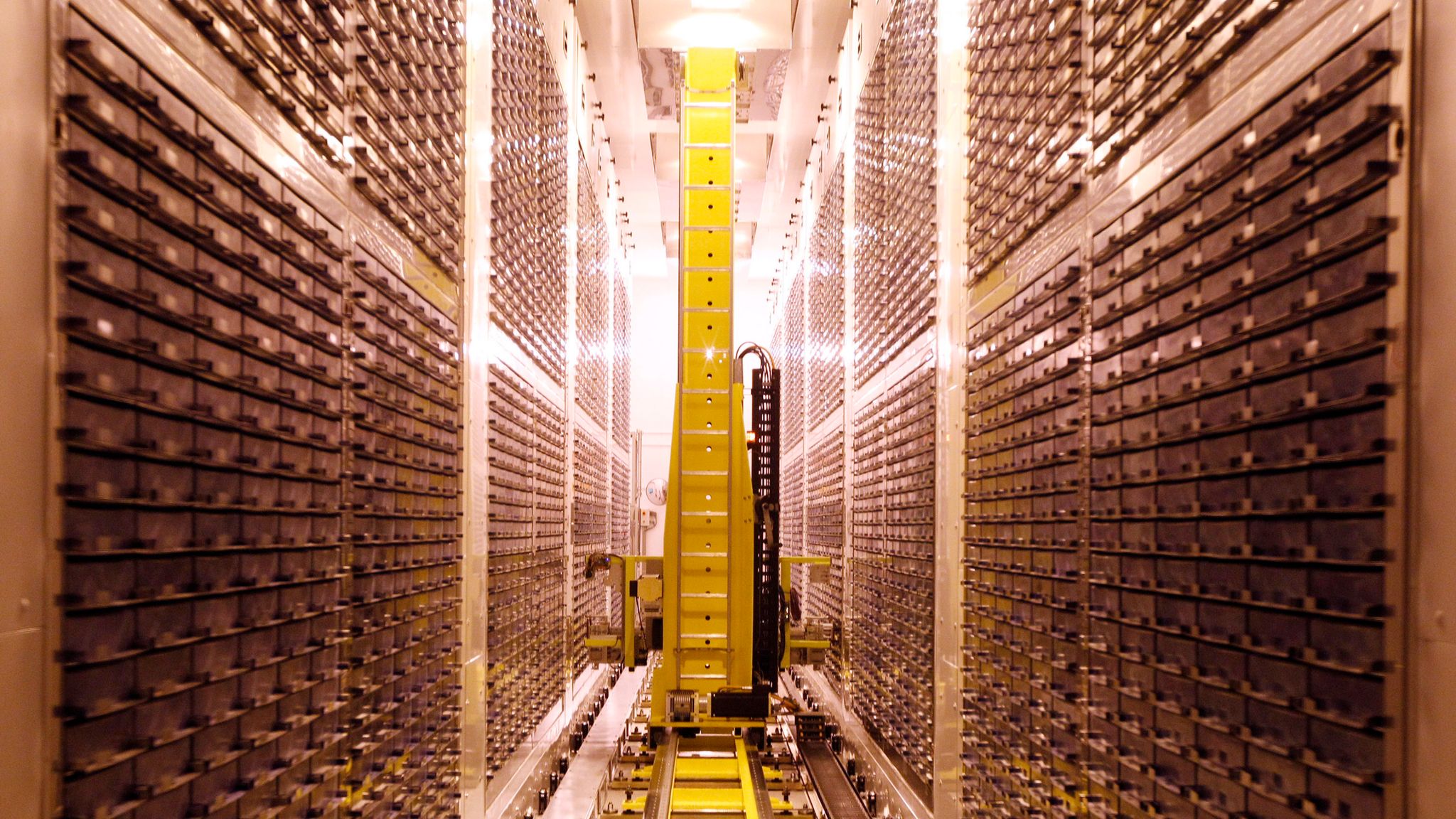
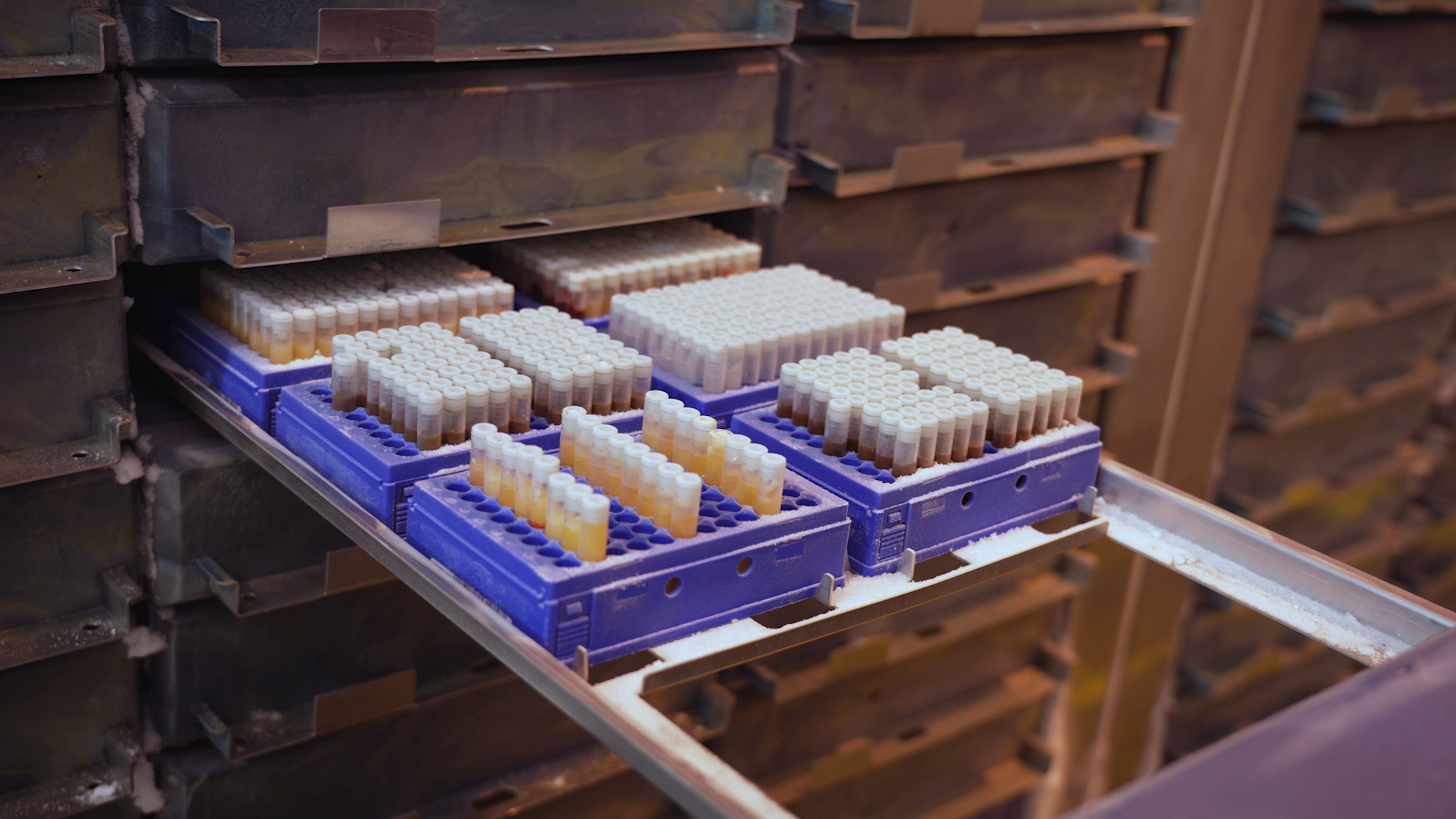
UK Biobank stands as the world’s most extensive repository of biological, health, and lifestyle data, collected from half a million volunteers across the UK. This resource has been instrumental in advancing medical research, enabling breakthroughs in detecting and treating conditions such as dementia, cancers, and Parkinson’s disease.
Established as a charity, UK Biobank provides de-identified data to research institutions globally to foster scientific discovery. The leaked data had been legitimately accessed by three Chinese academic institutions, whose access has now been revoked. The UK government is actively investigating how these institutions’ data downloads ended up for sale on Alibaba platforms, underscoring the complexity of safeguarding sensitive information in an interconnected research environment.
Official Responses and Measures Taken
Professor Sir Rory Collins, Chief Executive and Principal Investigator of UK Biobank, condemned the breach as a “clear violation” of contractual agreements. He highlighted that the charity had immediately enhanced its security protocols following the discovery.
“Last week, we discovered that de-identified participant data, which was legitimately provided to three academic institutions, had been listed for sale on a consumer website in China,” Professor Collins stated. “With coordination between the UK and Chinese governments, Alibaba promptly removed the listings before any sales occurred.”
The implicated academic institutions and individuals have had their data access suspended pending further investigation. Additionally, UK Biobank temporarily closed its research platform to reassess and strengthen access controls.
When questioned about the week-long delay in public disclosure, UK Biobank emphasized the complexity of the situation: “We launched an immediate investigation once alerted. This is a complex and evolving situation; as soon as we were in a position to share an accurate update, we did so.”
Why This Breach Matters
This incident exposes the vulnerabilities inherent in handling vast datasets containing sensitive health information, even when anonymized. The potential for re-identification raises profound privacy concerns for participants who volunteered their data with the expectation of stringent protection.
Moreover, the breach highlights the challenges faced by international collaborations in medical research, where data sharing across borders necessitates robust security frameworks and clear legal agreements. It also underscores the critical role of government oversight in monitoring compliance and responding swiftly to data misuse.
For the public, this event may erode trust in large-scale health data initiatives essential for medical advancements. Ensuring transparency, accountability, and enhanced security will be vital to maintaining participant confidence and the integrity of future research.
Looking Ahead: Strengthening Data Security
The UK government and UK Biobank are committed to conducting a full inquiry into the breach’s origins and preventing future incidents. Strengthening cybersecurity measures, tightening data access protocols, and fostering international cooperation will be key pillars in safeguarding the privacy of millions who contribute to vital health research.
As the investigation unfolds, stakeholders across the scientific community will scrutinize this case as a critical lesson in balancing open scientific collaboration with the imperative to protect sensitive personal information.
In summary, while no direct harm has been reported from this data exposure, the episode serves as a stark reminder of the ongoing risks in managing large-scale health databases. Vigilance and proactive security enhancements remain essential to preserving the trust and value of these indispensable resources.