A hantavirus outbreak aboard the MV Hondius cruise ship has triggered a complex international evacuation, with affected passengers now isolated in the UK for monitoring and treatment. This unprecedented health incident has raised concerns about the spread of the virus and the measures needed to prevent further infections.

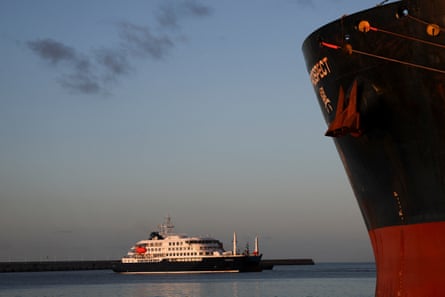
What Happened: Evacuation and Isolation of MV Hondius Passengers
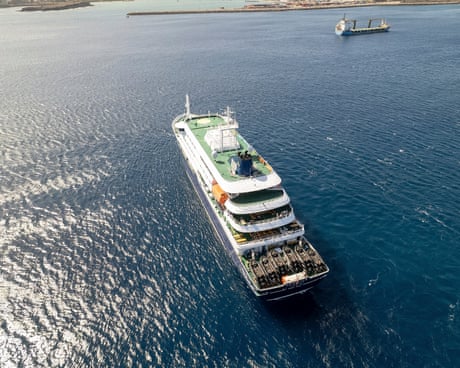
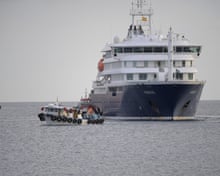
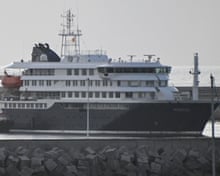
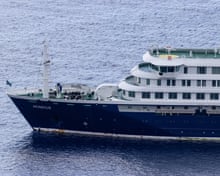
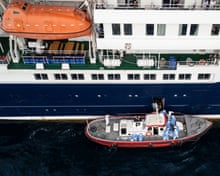
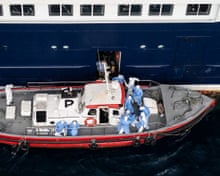
The MV Hondius, docked in Tenerife in the Canary Islands, experienced a hantavirus outbreak that infected multiple passengers and resulted in several deaths. In response, authorities coordinated a multinational evacuation effort. A chartered Titan Airways flight transported 20 British passengers from Tenerife to Manchester Airport on Sunday evening. Additional flights from Australia and the Netherlands are expected to complete the evacuation of international passengers.

Spain’s health minister confirmed that passengers of various nationalities are being repatriated, reflecting the global nature of the cruise’s clientele. Among those arriving in the UK are a German national residing in the UK and a Japanese passenger, who is completing isolation in accordance with UK Health Security Agency (UKHSA) guidelines following a request from Tokyo.

The UK government is utilizing the Arrowe Park hospital in Wirral, Merseyside—previously an initial COVID-19 quarantine site—to house evacuees. The facility features six floors of self-contained flats, each with private bedrooms, en suite bathrooms, kitchens, and lounges, providing a secure environment for isolation and care.

Current Health Status and Safety Measures
The World Health Organization (WHO) reported that eight individuals connected to the cruise ship have fallen ill, with six confirmed hantavirus infections. Tragically, three fatalities have occurred: a Dutch couple and a German national. The US Department of Health and Human Services disclosed that among 17 Americans repatriated, one tested positive for the Andes strain of hantavirus, while another exhibited mild symptoms. Meanwhile, a French passenger’s condition is deteriorating after testing positive, though it remains unclear if these cases overlap with those reported by WHO.

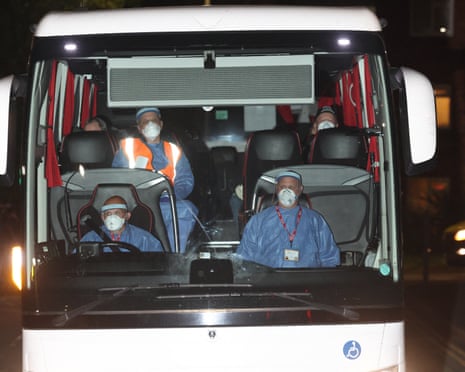
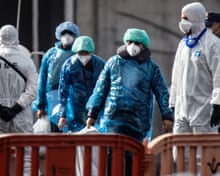
Strict infection control protocols have been enforced throughout the evacuation process. Passengers, crew, medical teams, and transport personnel wore personal protective equipment (PPE), including face masks, to minimize transmission risk. Upon arrival at Arrowe Park, medical teams conduct clinical assessments and testing within 72 hours to identify any developing symptoms promptly.

Janelle Holmes, Chief Executive of Wirral University Teaching Hospital NHS Foundation Trust, emphasized that none of the passengers transferred to the facility displayed symptoms upon arrival and that hospital operations continue unaffected. She reassured the public that if any passenger develops symptoms, they will be transferred to the Royal Liverpool University Hospital, which houses a specialized tropical and infectious diseases unit equipped to manage such cases.

Holmes also clarified the distinction between hantavirus and COVID-19. Unlike highly contagious respiratory viruses, hantavirus requires “really, really close contact” for transmission, significantly limiting the risk to the general population. This underscores the effectiveness of the quarantine measures and the low likelihood of widespread community transmission.
Isolation Protocols and Public Health Implications
Passengers will remain in isolation for 45 days, a precautionary period reflecting hantavirus’s incubation timeframe. During this time, individuals are prohibited from using public transportation to return home, reducing potential exposure to others. Public health specialists at Arrowe Park will evaluate each passenger’s living situation to determine if safe self-isolation at home is feasible or if extended accommodation at the facility is necessary.
Throughout the isolation period, the UK Health Security Agency will maintain daily contact with the passengers, monitoring their health and ensuring they receive support to comply with isolation requirements. Public Health Minister Sharon Hodgson highlighted that none of the passengers showed symptoms at the outset but stressed the importance of continuous monitoring to swiftly address any emerging cases.
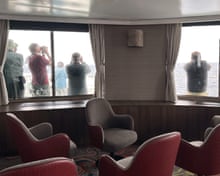
This incident marks one of the few large-scale hantavirus outbreaks involving international travel and poses important questions about managing infectious diseases on cruise ships—a setting that combines close quarters and diverse populations, creating heightened vulnerability to outbreaks.
What This Means: Lessons and Future Precautions
The hantavirus outbreak aboard the MV Hondius exposes the challenges of containing rare zoonotic infections in a globalized world. Cruise ships, known for their dense populations and shared facilities, represent fertile ground for infectious diseases to spread rapidly. The swift multinational response highlights the importance of international cooperation and preparedness in managing emerging health threats.
Public health officials continue to emphasize that hantavirus transmission requires close contact with infected rodents or their excretions, not casual human-to-human interaction like respiratory viruses. This distinction is crucial in reassuring the public and guiding effective containment strategies.
As the evacuated passengers undergo isolation and medical assessment, authorities will gather vital data on the virus’s behavior in such environments and refine protocols to safeguard public health. The incident also reinforces the need for ongoing vigilance, robust infection control measures, and transparent communication to prevent panic and misinformation.
In the coming weeks, the health status of these passengers will provide insights into the virus’s incubation and transmission dynamics, informing future responses to similar outbreaks. Meanwhile, the Arrowe Park facility’s role as a quarantine site demonstrates the value of adaptable healthcare infrastructure in responding to emerging infectious diseases.

Ultimately, this outbreak serves as a stark reminder of the continuous risks posed by zoonotic diseases and the critical importance of coordinated global health strategies.