

Harriet Harman, a senior figure in the Labour Party, has ignited a fierce debate by proposing that men should be excluded from standing in the party’s upcoming leadership election. This bold suggestion reflects ongoing discussions about gender representation and equality within the party and British politics at large.
What Harriet Harman Has Proposed
Harriet Harman, who has served as Deputy Leader of the Labour Party and has been a long-standing advocate for women’s rights, has publicly stated that the next Labour leadership contest should be restricted exclusively to female candidates. Her rationale centers on the need to accelerate gender parity in political leadership positions within the party.
Harman argues that allowing only women to stand in the leadership race would help address the historic underrepresentation of women in top political roles. She believes this approach would create a critical opportunity for female politicians to take the helm and reshape the party’s direction with a fresh perspective.
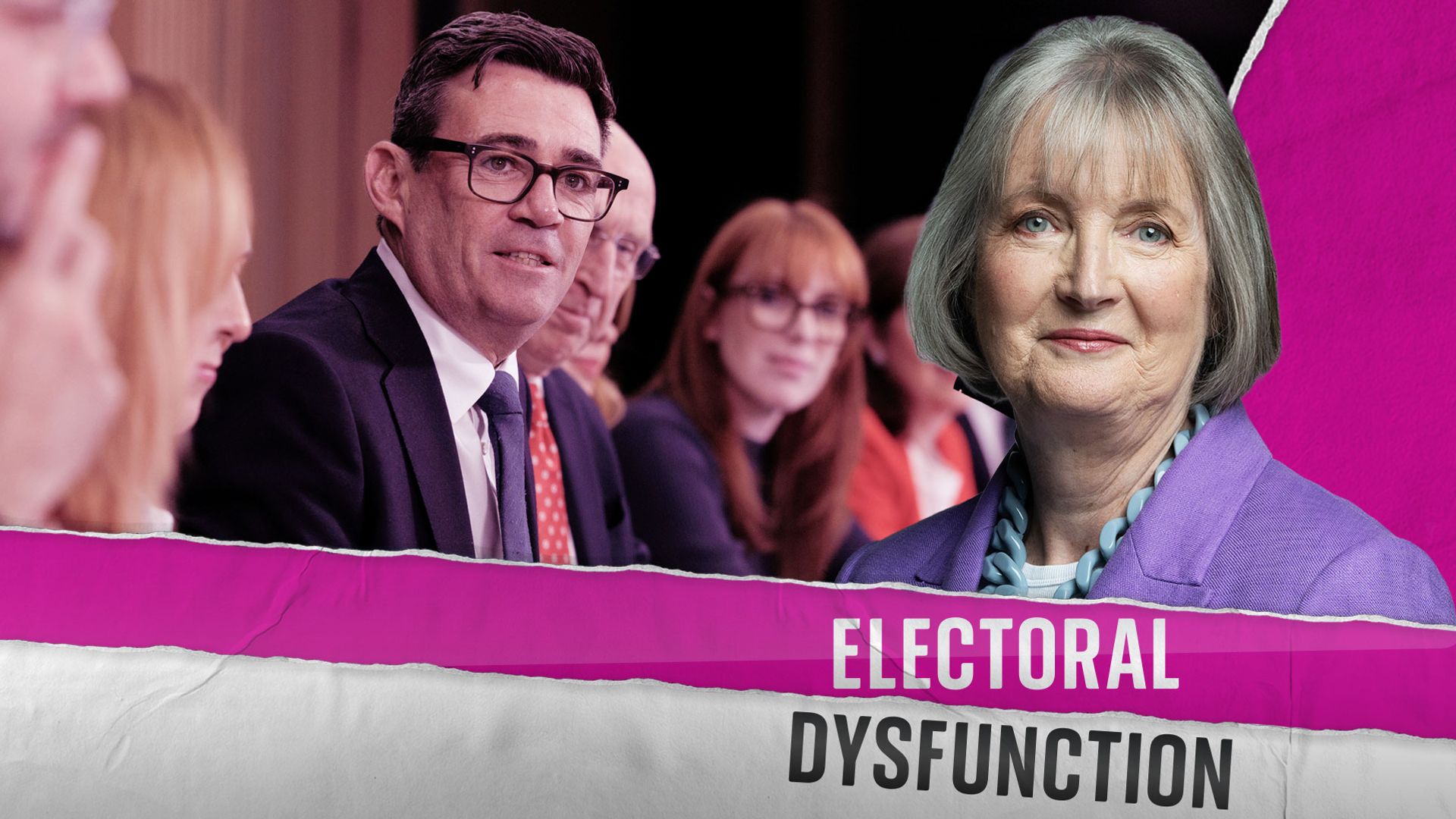
The call to ban men from running is not entirely unprecedented within Labour. The party has previously implemented all-women shortlists in parliamentary selections to boost female representation in the House of Commons. Harman’s proposal extends this idea to the highest leadership level.
Context: Labour’s Ongoing Struggle with Gender Balance
The Labour Party has long grappled with achieving equitable gender representation, both in Parliament and within its own internal structures. Despite progress over recent decades, women remain underrepresented in senior political roles, prompting continuous debates on how to advance gender equality effectively.
Historically, Labour has been a pioneer in pushing for women’s rights and representation, instituting measures like all-women shortlists that have increased the number of female MPs significantly. However, the party has never had a female leader in the modern era, which critics cite as a glaring gap.
Harman’s suggestion to bar men from the next leadership contest highlights the frustration some party members feel about the slow pace of change. It also raises complex questions about fairness, inclusivity, and the best mechanisms to achieve genuine equality.
Why This Matters and What It Could Mean for Labour
The proposal has sparked intense discussion both within Labour ranks and among political commentators. Supporters of Harman’s idea see it as a bold, necessary step to break the glass ceiling and ensure women have a fair shot at leading one of the UK’s major political parties.
Conversely, critics argue that excluding men outright could deepen divisions and alienate some party members. They caution that leadership contests should be based on merit and ability rather than gender quotas alone, warning against potential backlash or legal challenges.
Moreover, this debate taps into a broader societal conversation about affirmative action and gender-based restrictions in competitive fields. Labour’s decision on this matter will likely influence public perceptions of the party’s commitment to equality and inclusivity.
For the Labour Party, the leadership election is not just an internal affair; it symbolizes the party’s vision for the future and its approach to representation. Whether or not Harman’s proposal is adopted, it underscores the urgent need to rethink how political leadership is nurtured and who gets to lead.
Looking Ahead: What Comes Next
The Labour Party has yet to make a formal decision about the rules governing the next leadership election. Harriet Harman’s call adds pressure on party officials to consider innovative solutions aimed at fostering diversity and equality.
As the leadership contest approaches, the party will need to balance competing priorities: promoting gender equality, ensuring a fair and open selection process, and maintaining unity among its members.
Ultimately, the debate sparked by Harman’s proposal shines a light on the ongoing challenges in British politics concerning gender and power. It invites voters and party members alike to reflect on what leadership should look like in the 21st century and how best to achieve a truly representative democracy.
Harriet Harman’s suggestion to ban men from the next Labour leadership race is more than a provocative statement—it is a call to action on the party’s approach to gender equality that could reshape political leadership in the UK.