In the high-stakes world of British politics, a leader’s speech can either cement their authority or hasten their downfall. Recently, Sir Keir Starmer delivered a speech aimed at rallying his party and quelling growing discontent within Labour ranks. Yet, despite the show of loyal support in the room, many question whether this address was enough to safeguard his premiership amid mounting pressures.
The Setting: Loyalty Amid Sparse Attendance
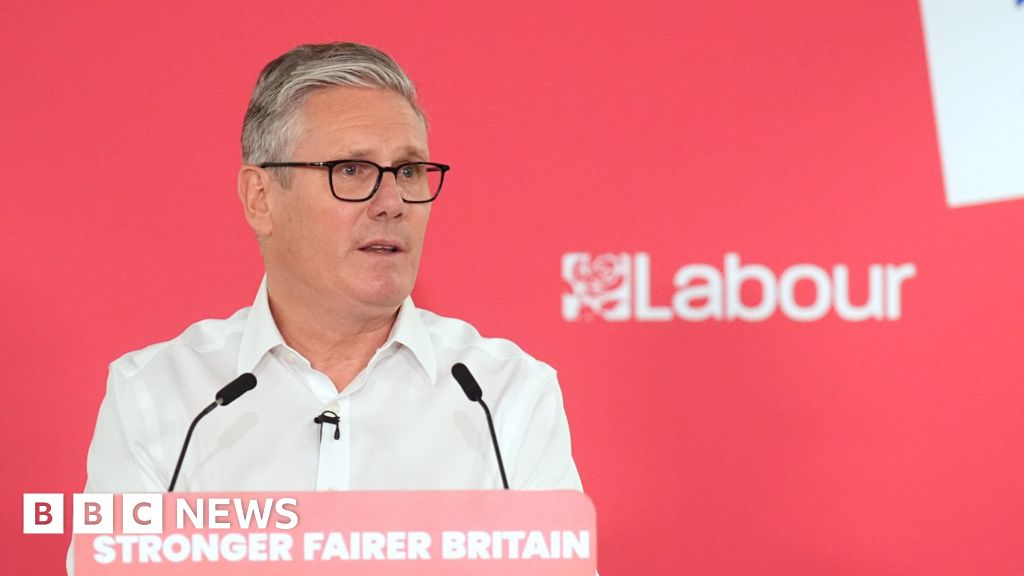
Starmer’s speech took place before a modest audience, notably lacking many MPs and entirely absent of cabinet ministers, signaling a tepid level of enthusiasm among Labour’s parliamentary ranks. Among the attendees, party chair Anna Turley and deputy leader Lucy Powell sat prominently in the front row, embodying the core loyalist faction backing Starmer.
The atmosphere contrasted sharply with historical moments of political defiance. Observers drew parallels to Iain Duncan Smith’s 2003 Conservative leadership speech, where, despite vociferous support from loyalists, he resigned just three weeks later. The comparison underscored the fragility of relying solely on loyal applause without wider party endorsement.

Content of the Speech: Cautious Moves, Not Bold Vision
Starmer’s rhetoric impressed some MPs, who praised his composed demeanor and firm tone. However, the speech left many others dissatisfied, particularly those hoping for a robust, transformative policy agenda that could energize the Labour base ahead of future elections.
The most significant policy announcement was the planned nationalisation of British Steel. While this move was anticipated, it came with a cautious caveat that softened its impact: the nationalisation would proceed only “subject to a public interest test.” This conditional approach typifies Starmer’s leadership style—pragmatic but careful, avoiding full-throated commitments that might alienate moderates or invite political backlash.
Perhaps most anticipated was Starmer’s stance on Europe, a hot-button issue that divides Labour supporters and the country alike. Yet, rather than breaking new ground, the speech reiterated existing government policy without pledging to rejoin the single market or customs union. This omission disappointed many within the party who had hoped for a bolder pro-European manifesto commitment.
Mixed Reactions and What They Reveal
Post-speech reactions among Labour MPs ranged from lukewarm to sharply critical. Some bluntly described the address as “woeful,” while others said it “really didn’t cut the mustard.” These critiques reflect a broader unease about Starmer’s leadership trajectory and whether his cautious, moderate approach can withstand internal and external challenges.
Starmer’s speech thus revealed a delicate balancing act: maintaining party unity without alienating diverse factions, projecting leadership strength while avoiding risky promises. This tightrope walk leaves open the question of whether his current strategy can deliver the momentum Labour needs.

Why This Moment Matters for Starmer and Labour
Labour faces significant challenges as it prepares for forthcoming elections amid economic uncertainty and shifting public opinion. Starmer’s leadership style—steady, measured, and pragmatic—might appeal to centrist voters but risks disappointing the party’s progressive wing eager for bold reforms.
The nationalisation announcement signals a willingness to embrace traditional Labour policies, yet the cautious framing suggests Starmer is wary of overcommitting. Similarly, the lack of a decisive pro-European stance may aim to avoid alienating Brexit-skeptical voters but could dampen enthusiasm among pro-EU supporters.
Ultimately, Starmer’s premiership hinges on his ability to translate cautious rhetoric into tangible policy wins and to unite a fractious party behind a compelling vision. With internal party critics vocal and external pressures mounting, his leadership remains under intense scrutiny.
Looking Ahead: Can Starmer Turn the Tide?
Sir Keir Starmer’s recent speech served as a rallying cry to his loyalists but failed to deliver the decisive policy breakthroughs many anticipated. The guarded tone and limited new commitments leave open doubts about his capacity to inspire confidence across Labour’s broad coalition or among the wider electorate.
As Labour approaches critical electoral contests, Starmer must demonstrate that his blend of caution and pragmatism can translate into effective governance and genuine progress. His future as party leader—and potential prime minister—depends on whether he can evolve beyond cautious assurances to offer bold leadership that resonates both within the party and with voters nationwide.