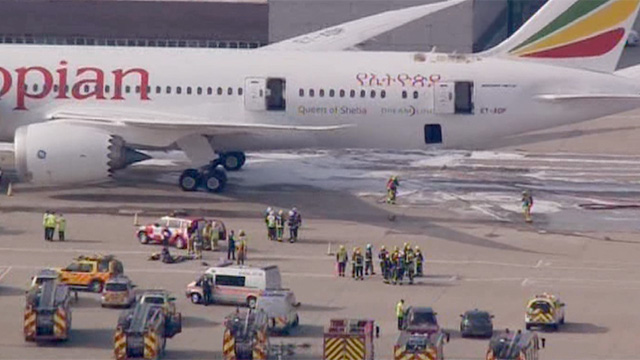
A sudden fire onboard a parked Ethiopian Airlines Dreamliner sparked an unprecedented shutdown of both runways at Heathrow Airport, igniting fresh concerns over the safety of Boeing’s flagship 787 aircraft. The incident unfolded on a Dreamliner stationed at a remote stand, with no passengers or crew aboard, yet its impact reverberated across one of the world’s busiest airports and the wider aviation industry.
What Happened at Heathrow
Shortly after 4:30pm, smoke was detected emanating from an Ethiopian Airlines Boeing 787 Dreamliner, registered ET-AOP, which had been parked at Heathrow for over eight hours. Airport emergency services responded swiftly, extinguishing an internal fire that caused significant disruption. Both runways were temporarily closed to all arrivals and departures, resulting in widespread delays until full operations resumed later that evening.
Despite the severity of the fire, thankfully no injuries were reported as the aircraft was unoccupied at the time. Heathrow Airport officials confirmed that fire retardant foam covered parts of the runway surrounding the plane, and at least nine fire engines were dispatched to manage the emergency. Aerial footage captured visible damage to the upper rear fuselage of the Dreamliner, underscoring the seriousness of the blaze.
Ethiopian Airlines quickly issued a statement acknowledging the incident and confirmed that the cause remains under thorough investigation by all relevant parties, including the airline, airport authorities, and Boeing representatives. A Boeing spokesperson confirmed that personnel are on-site at Heathrow to assess the situation and determine appropriate next steps.
__IMAGE_PLACEHOLDER_1__
Background: The Dreamliner’s Troubled History
The Boeing 787 Dreamliner, launched after a protracted development period marked by numerous production challenges, entered commercial service in October 2011 with Japan’s All Nippon Airways. The aircraft was initially celebrated for its fuel efficiency, innovative design, and passenger comfort. However, early into its operational life, the Dreamliner faced serious safety concerns, most notably stemming from its lithium-ion batteries.
In 2013, a series of battery fires led to a global grounding of the entire Dreamliner fleet while Boeing implemented extensive battery modifications to eliminate the risk of overheating and fire. Ethiopian Airlines was the first carrier to resume flying the 787 after these changes, highlighting the airline’s pivotal role in restoring confidence in the aircraft type.
The current incident at Heathrow has reignited fears about the Dreamliner’s reliability, especially given that the affected plane shares the same registration as another recent flight from Addis Ababa to Nairobi. While authorities have not confirmed the fire’s cause, speculation has naturally gravitated towards battery-related issues, although no official link has been established.
__IMAGE_PLACEHOLDER_2__
Simultaneous Technical Issues Deepen Concerns
Compounding the Heathrow fire, another Boeing 787 operated by Thomson Airways experienced a separate technical problem mid-flight. Flight TOM126, en route from Manchester to Sanford, Florida, was forced to return to Manchester as a precaution. Thomson issued a statement assuring passengers that engineers were thoroughly inspecting the aircraft, and arrangements were underway to transfer travelers to an alternative plane to minimize disruption to their holiday plans.
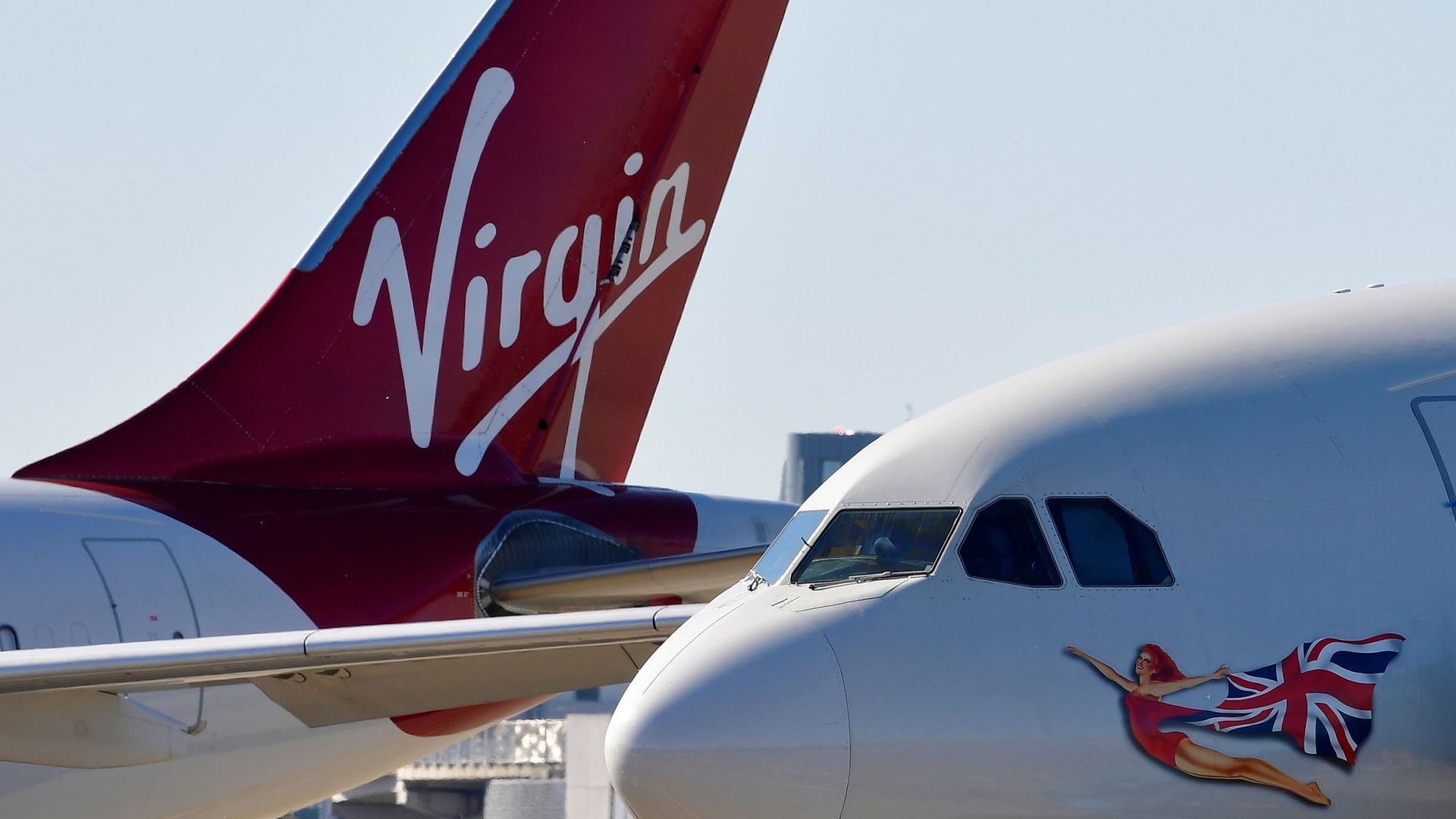
This second incident intensifies scrutiny on the Dreamliner fleet, especially as other airlines like Virgin Atlantic prepare to take delivery of new 787s. Aviation analyst Stephen Douglas of Sky News remarked that while there is currently no evidence linking the Heathrow fire to battery malfunction, the situation poses a reputational risk for Boeing and its customers. Any recurrence of fire-related issues could trigger further groundings and regulatory action.
__IMAGE_PLACEHOLDER_3__
Industry and Regulatory Response
The European Aviation Safety Agency (EASA) has stated that it is too early to determine whether the Heathrow fire will lead to renewed operational restrictions on the Dreamliner. They emphasized close monitoring of Boeing’s ongoing investigation before making any decisions that could affect the aircraft’s certification.
Meanwhile, the U.S. National Transportation Safety Board (NTSB) announced it is deploying a representative to London to assist in the probe, reflecting the global significance of the event. The incident also caused Boeing’s shares to drop sharply on the New York Stock Exchange, demonstrating investors’ concerns about potential fallout.
These developments highlight the aviation sector’s sensitivity to technical failures, especially involving high-profile aircraft like the Dreamliner. Safety remains paramount, and all stakeholders are determined to uncover the root cause swiftly to reassure passengers and airlines worldwide.
Why This Matters
The Dreamliner fire at Heathrow and the related technical issue with the Thomson flight underscore the ongoing challenges that can arise even with advanced, modern aircraft. Given the Dreamliner’s pioneering role in aviation technology, any incident has amplified consequences for manufacturers, operators, regulators, and travelers.
Maintaining trust in the Dreamliner is critical for Boeing, particularly after its prior battery troubles led to one of the most significant fleet groundings in recent history. The fact that multiple incidents have occurred within a short timeframe raises urgent questions about maintenance, inspection protocols, and component reliability.
For Heathrow Airport, the fire incident exposed vulnerabilities in emergency response and operational resilience, as runway closures at such a major hub have cascading effects on global air traffic. Meanwhile, passengers face heightened anxiety over flight safety, emphasizing the need for transparent communication and swift resolution.
Ultimately, the aviation community watches closely as investigators delve into the causes of these events. The findings will shape future policies, aircraft design improvements, and operational procedures. Ensuring the Dreamliner’s continued safety and reliability remains essential for sustaining confidence in commercial aviation’s ongoing evolution.
As the investigation progresses, stakeholders across the industry must balance caution with assurance, demonstrating unwavering commitment to safety while minimizing disruptions to the traveling public.