

The tragic murder of Henry Nowak has ignited nationwide protests, yet what began as a solemn demand for justice has spiraled into chaos. The home secretary has sharply condemned what she described as the “hijacking” of this tragedy after violent clashes erupted during demonstrations. These events have intensified scrutiny of law enforcement, with the Prime Minister emphasizing that police must answer “serious questions” about their handling of the situation.
From Mourning to Mayhem: The Unfolding of Henry Nowak Protests
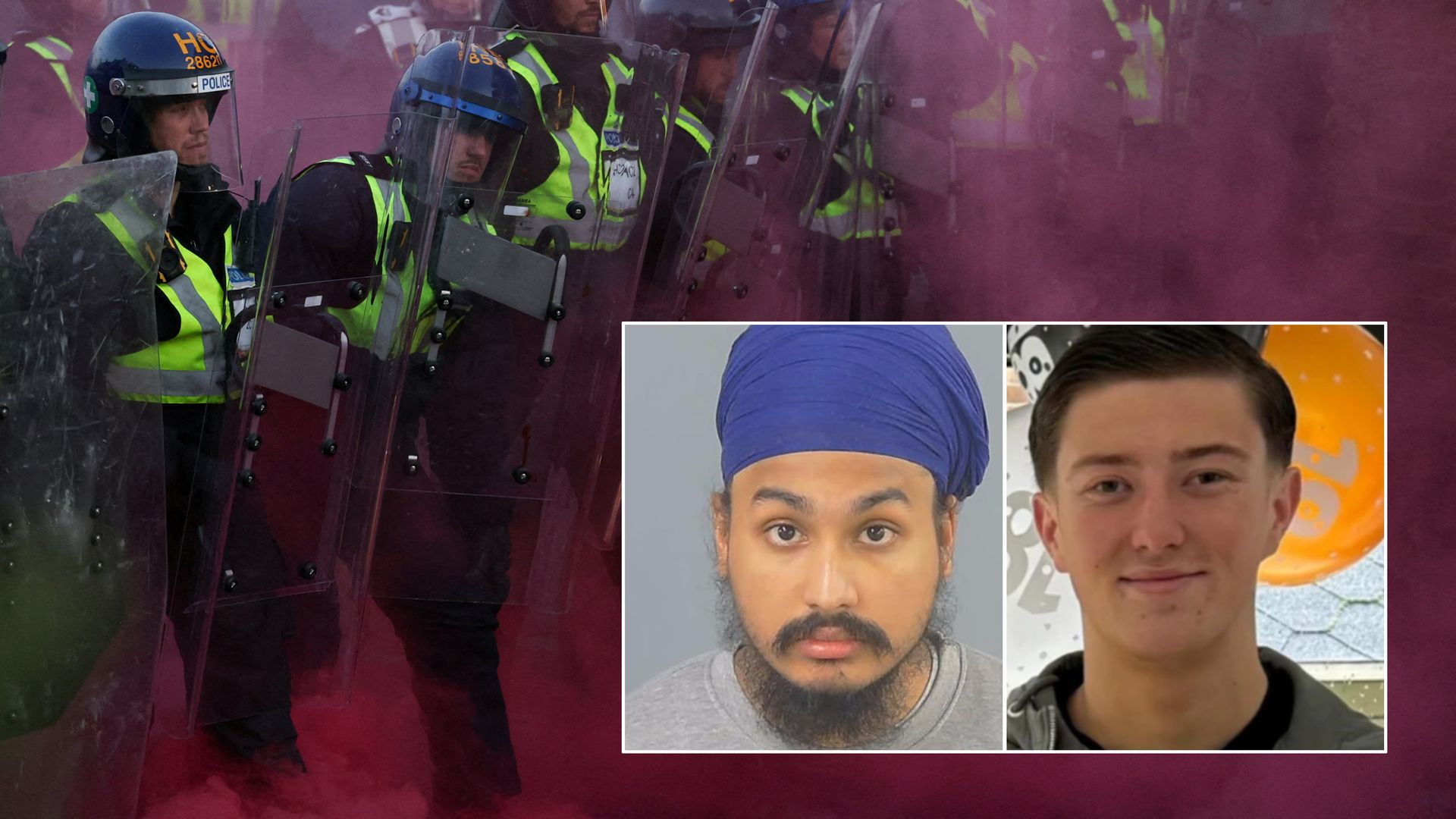
Henry Nowak’s death has deeply unsettled communities across the country, sparking a wave of protests aimed at highlighting systemic issues surrounding public safety and justice. Initially peaceful gatherings quickly deteriorated into confrontations between protesters and police forces. Reports detail scuffles, property damage, and several arrests, casting a shadow over the movement’s message.
Authorities describe the situation as a complex challenge, balancing the right to peaceful protest with the need to maintain public order. However, critics argue that the police response has been heavy-handed, further escalating tensions and undermining trust in law enforcement agencies. This cycle of unrest underscores the fragile state of community-police relations in the wake of Nowak’s murder.
Government Response and Calls for Police Transparency
The home secretary publicly denounced the violent turn of events, emphasizing that the protest’s core message has been overshadowed by destructive behavior. She condemned those exploiting Henry Nowak’s death to incite disorder, warning that such actions detract from the pursuit of justice and healing.
Simultaneously, the Prime Minister has voiced urgent concerns over policing practices during the protests. By stating that police have “serious questions” to answer, he acknowledged widespread public unease and signaled a forthcoming review of law enforcement conduct. This statement reflects mounting pressure on government institutions to ensure accountability and transparency.
Experts note that the Prime Minister’s remarks could prompt inquiries into police tactics, use of force, and engagement strategies with demonstrators. These investigations are crucial for addressing community grievances and rebuilding confidence in public safety frameworks.
Why This Moment Matters: The Broader Implications
The upheaval surrounding Henry Nowak’s murder protests transcends the immediate tragedy. It exposes deep-rooted societal fractures related to justice, policing, and civic trust. The violent episodes risk diverting attention from the critical issues at hand, including demands for reforms and comprehensive support for affected families.
Moreover, the government’s response will significantly influence public perception. Effective, transparent handling of the situation could restore faith in institutions, while failure to address concerns may exacerbate divisions and fuel further unrest.
Community leaders and advocates urge all parties to prioritize dialogue and peaceful action, emphasizing that lasting change arises from constructive engagement rather than confrontation. As the nation watches closely, this moment stands as a pivotal test of democratic values and the rule of law.
Looking Ahead: Navigating Justice and Reconciliation
As investigations into Henry Nowak’s murder and the subsequent protests continue, authorities face the dual challenge of delivering justice and managing public order responsibly. The calls for police accountability suggest that reforms may be on the horizon, aimed at preventing future conflicts and fostering transparency.
For the public, this episode serves as a reminder of the delicate balance between expressing dissent and preserving communal harmony. The path forward depends on mutual respect, open communication, and a shared commitment to justice.
Ultimately, the handling of Henry Nowak’s case and the protests that followed will shape the nation’s social and political landscape for years to come, underscoring the critical need for measured, empathetic leadership.