The contentious ban on the Drumcree Orange Order parade has been declared lawful by a High Court judge, affirming the decision made by the Northern Ireland Secretary. This ruling brings clarity to a long-standing and deeply divisive issue that has sparked decades of tension across Northern Ireland.
Background: The Drumcree Parade Controversy
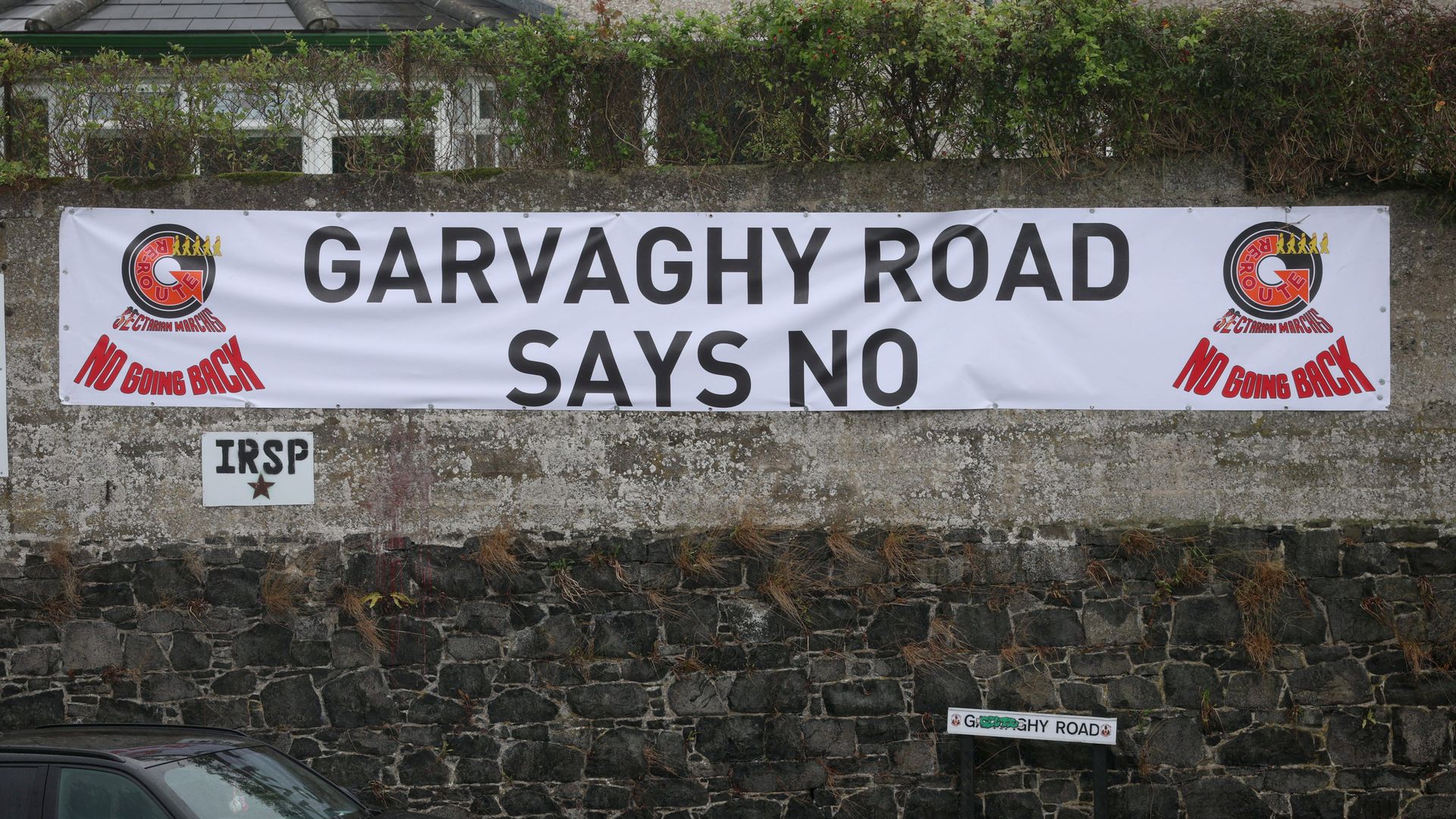
The Drumcree Orange Order parade, an annual march traditionally held in Portadown, has been a focal point of sectarian conflict in Northern Ireland. The parade route passes through the predominantly nationalist Garvaghy Road, where many residents have opposed the procession, viewing it as a provocative assertion of Protestant and Unionist identity.
For years, the parade sparked violent confrontations and civil unrest, with communities divided over its continuation along this contentious path. The British government and Northern Ireland authorities have repeatedly intervened to manage the tensions, often by imposing restrictions or outright bans on the parade.
The High Court’s Decision: Legal Validation of the Ban
The recent ruling by the High Court centers on the decision by the Northern Ireland Secretary to prohibit the Drumcree Orange Order parade from proceeding along its traditional route. The judge concluded that the ban was lawful and justified, reflecting the government’s responsibility to maintain public order and protect community safety.
In reaching this verdict, the court weighed the competing rights of parade organizers and local residents, alongside broader considerations of peace and stability in the region. The decision underscores the primacy of preventing disorder and safeguarding citizens’ rights over the unilateral exercise of parade rights.
This judicial endorsement of the ban is significant because it confirms the legal framework underpinning the government’s ability to regulate contentious parades. It also sets a precedent for handling other parades that might inflame sectarian divisions in Northern Ireland.
Why This Ruling Matters: Implications for Community Relations and Governance
The ruling carries profound implications for Northern Ireland’s delicate social fabric. The Drumcree parade has long symbolized the broader sectarian divide between Unionist and Nationalist communities. By upholding the ban, the court signals a commitment to prioritizing peace-building measures over traditional expressions that may perpetuate conflict.
For Unionist groups, especially the Orange Order, the ruling may represent a setback, as it curtails a key cultural tradition. Conversely, for nationalist communities, the decision validates their concerns about parades perceived as triumphalist and exclusionary.
From a governance perspective, the ruling empowers authorities to act decisively in managing public events that risk destabilizing communal harmony. It reinforces the principle that civil liberties, including the freedom to assemble, can be lawfully restricted when public safety is at stake.
What Comes Next: Navigating a Path Forward
While the High Court’s ruling clarifies the legal standing of the ban, it does not resolve the underlying tensions that have plagued the Drumcree parade for decades. Moving forward, dialogue and negotiation between communities, political leaders, and cultural organizations remain essential to fostering mutual respect and understanding.
Authorities will likely continue to monitor and regulate future parades closely, balancing cultural expression with the imperative to prevent violence. The ruling may also inspire similar legal challenges or governmental interventions in other contentious parade disputes across Northern Ireland.
Ultimately, the Drumcree parade case exemplifies the ongoing struggle to reconcile tradition with peace in a society still healing from years of sectarian conflict.
Takeaway: A Legal Landmark in Northern Ireland’s Pursuit of Peace
The High Court’s decision to uphold the ban on the Drumcree Orange Order parade marks a pivotal moment in Northern Ireland’s journey toward stability. By affirming the lawfulness of restrictions on potentially divisive events, the ruling prioritizes community safety and social cohesion over perpetuating historic conflicts.
This legal milestone highlights the complex balance between protecting cultural identities and ensuring public order. As Northern Ireland continues to navigate its post-conflict future, such decisions will play a crucial role in shaping a more peaceful and inclusive society.