

As the summer approaches, millions of households brace for a substantial 13% increase in the energy price cap, intensifying concerns over escalating energy debts across the nation. This surge threatens to deepen financial stress for families already grappling with rising living costs, while experts warn that further price hikes could be imminent.
Rising Energy Price Caps: What’s Driving the Increase?
The energy price cap, a government-regulated limit on the rates suppliers can charge customers, is set to climb by 13% this summer. This adjustment reflects ongoing volatility in wholesale energy markets, driven by geopolitical tensions, supply chain disruptions, and higher global demand. Energy suppliers face increased costs for procuring gas and electricity, which they are compelled to pass on to consumers within the constraints of the price cap.
While the cap aims to protect consumers from excessive charges, the planned rise signals a growing challenge: energy costs are outpacing wage growth and inflation, squeezing household budgets tighter than ever. For many families, especially those on fixed or low incomes, the increase translates into difficult choices between heating their homes and covering other essential expenses.
The Growing Burden of Household Energy Debt
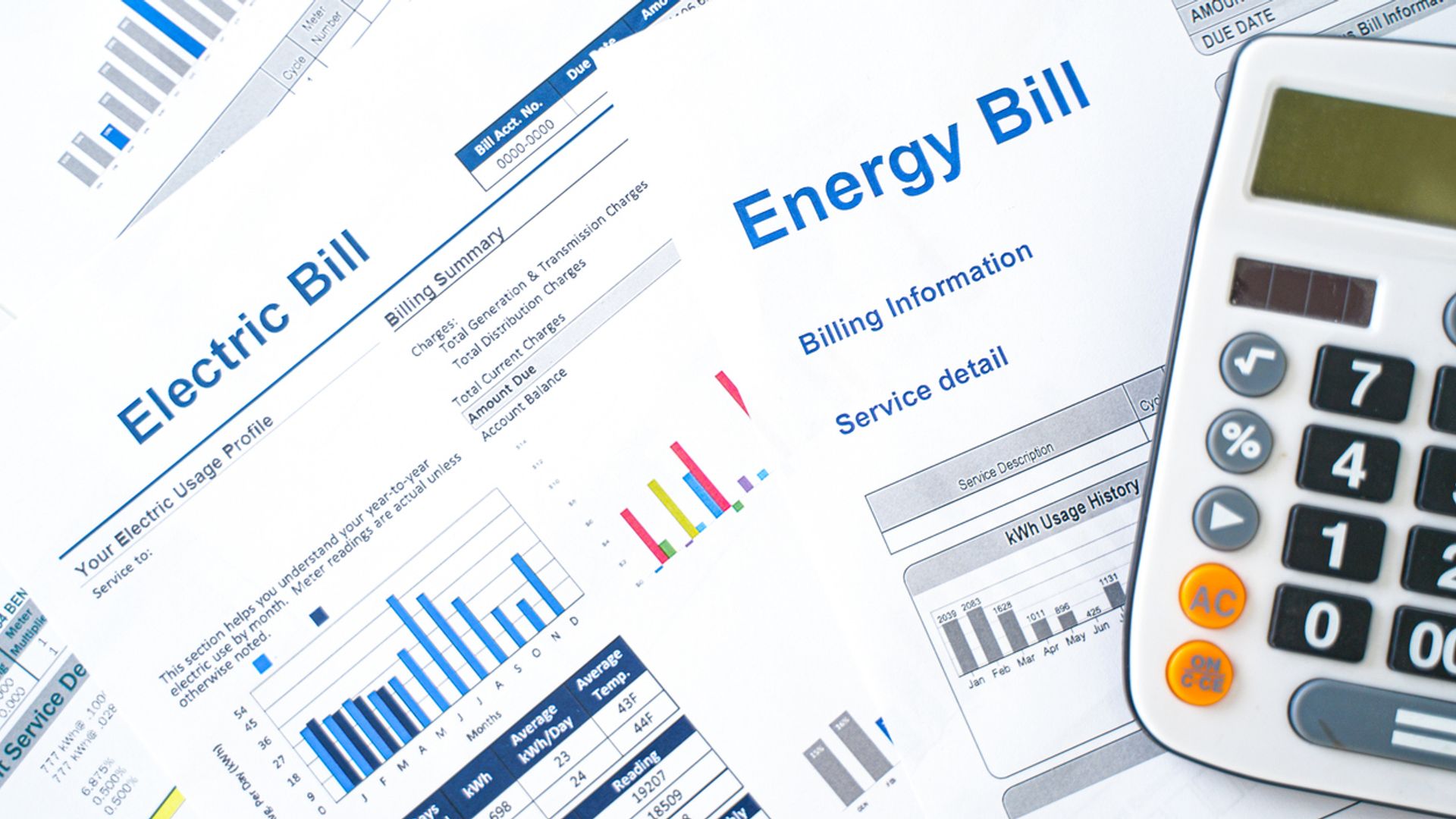
As energy bills climb, an increasing number of households are falling behind on payments, driving a surge in energy debt. Industry analysts report that consumers are accumulating significant arrears to energy providers, which may lead to disconnections or the need for costly repayment plans.
Energy debt doesn’t just affect individual households; it also creates broader economic and social consequences. Suppliers face cash flow pressures that may reduce their capacity to invest in infrastructure and renewable energy projects. Meanwhile, vulnerable populations—including the elderly and families with young children—risk facing severe hardship without adequate support mechanisms.
Advocacy groups are calling for urgent policy interventions to address the mounting crisis. Proposals include expanding energy bill assistance programs, improving access to energy-efficient home upgrades, and strengthening safeguards against disconnections. Such measures aim to alleviate immediate financial burdens while promoting long-term energy sustainability.
What This Means for Consumers and the Future
The anticipated price cap increase is not just a temporary setback; it highlights systemic challenges in the energy market that could persist for years. Consumers must prepare for the possibility of additional hikes as global energy dynamics remain uncertain.
Experts recommend proactive steps for households to manage rising costs, such as conducting energy audits, switching to more efficient appliances, and exploring alternative energy suppliers if possible. However, these strategies may not be accessible to all, underscoring the need for inclusive policies that protect the most vulnerable.
On a broader scale, the situation underscores the urgency of transitioning to sustainable energy sources and resilient infrastructure. Reducing dependency on volatile fossil fuel markets can mitigate future price shocks and contribute to environmental goals.
In conclusion, the looming 13% increase in the energy price cap this summer serves as a stark reminder of the financial pressures facing households nationwide. Without decisive action from policymakers, energy providers, and consumers alike, the ripple effects of mounting energy debt could deepen economic inequalities and threaten social stability. The coming months will be critical in shaping how the country navigates this complex energy landscape.